 Wishlist
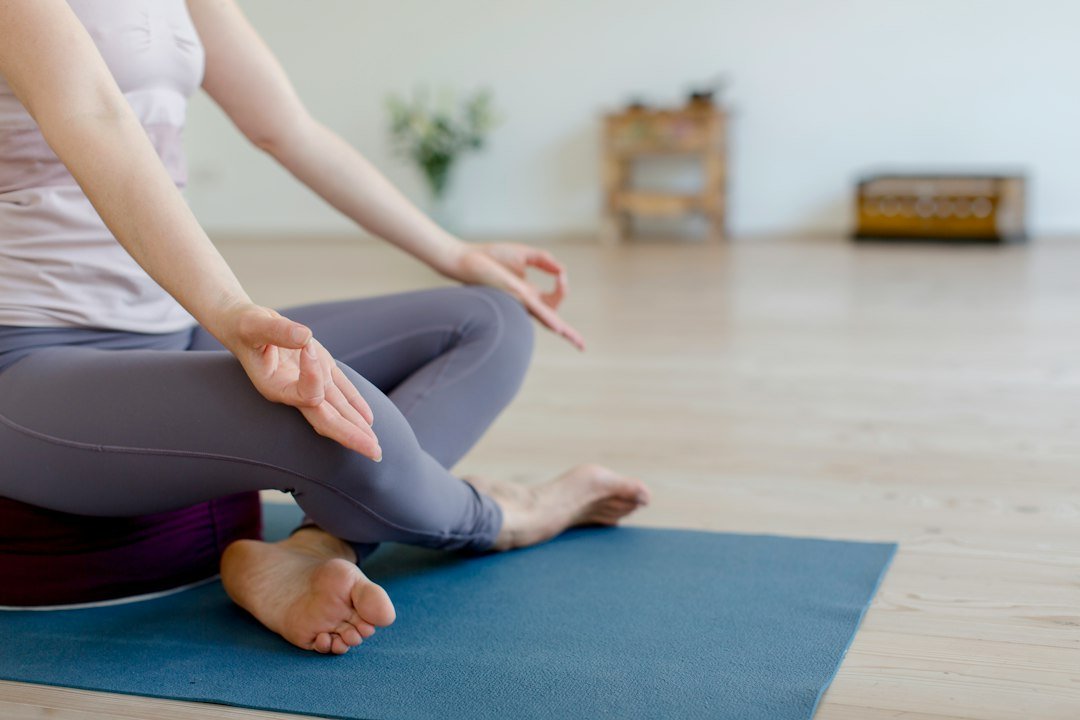
What matters here — and what you can safely ignore
Deciding between yoga vs meditation usually comes down to two simple questions: do you want movement and physical conditioning with breath and attention, or do you mainly want mental training in focus, awareness and stress regulation? Ignore slogans about “one being spiritual” or marketing that promises a single miracle—both practices have overlapping benefits but different immediate strengths.
Decision criteria: how to choose what to try first
Use these four practical criteria to compare options before you commit: goals, time and energy, bodily needs, and learning style.
- Goals: Are you trying to increase strength, flexibility and balance, or reduce anxiety, improve focus and regulate mood? Yoga leans toward the first set; meditation toward the second.
- Time & energy: Do you have 10–60 minutes and feel physically up for it? Yoga sessions often require more sustained energy. If you have tiny pockets of time, short seated meditations fit better.
- Bodily needs: If you have chronic pain, mobility limits, or are recovering from injury, meditation (or gentle, chair-based yoga) is safer until you get tailored guidance.
- Learning style: Some people prefer active, guided movement to anchor attention; others prefer stillness and internal noticing. That preference predicts which you’ll stick with.
Core differences, explained simply
At their essence, yoga and meditation train attention, but they do it through different primary channels.
- Yoga: A movement-based system combining physical postures (asanas), breath practices (pranayama), and sometimes meditation. It builds strength, flexibility, motor coordination and a somatic (body) sense of calm. Physical feedback helps focus the mind—muscle engagement, balance and breath timing are anchors.
- Meditation: A primarily still practice training attention and awareness through techniques like breath observation, body scans, or focused-attention and open-monitoring methods. It directly targets concentration, emotional regulation and noticing mental habits.
Trade-offs that matter in real life
Here are practical trade-offs people notice after a few weeks of regular practice.
- Immediate physical benefit vs mental skill: Yoga gives obvious bodily improvements (less stiffness, better posture) relatively quickly. Meditation’s most noticeable benefits—like improved attention and less reactivity—can take longer but transfer strongly into daily life.
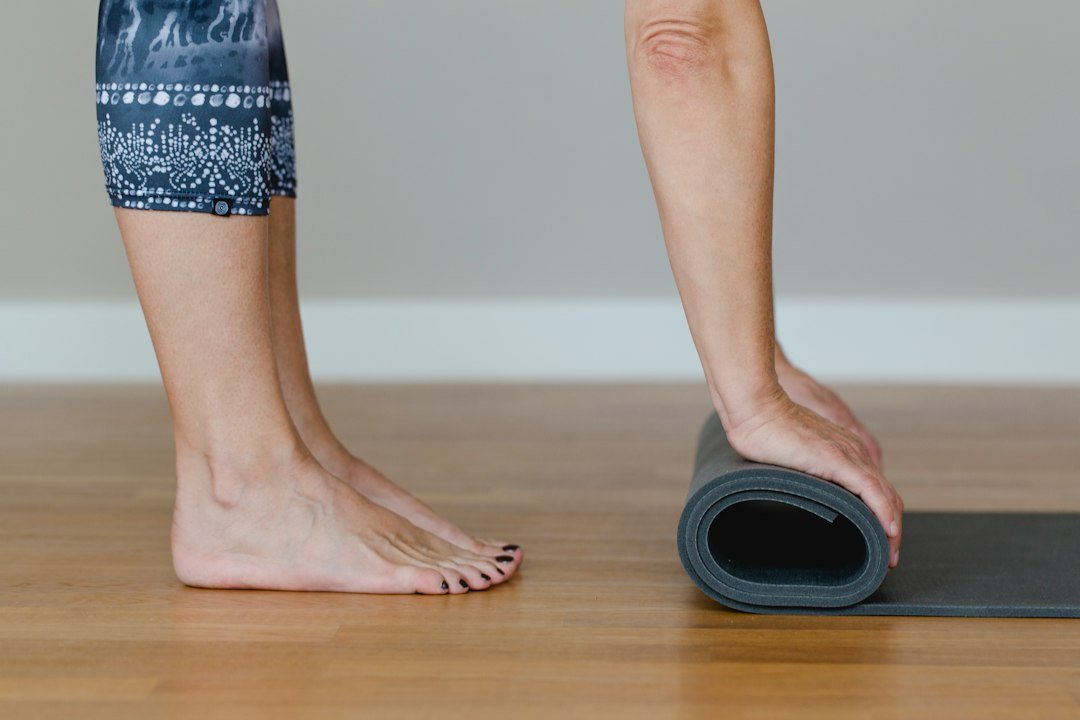
- Entry barriers: Meditation needs almost no equipment and can be done seated or lying down; yoga benefits from a mat and may require props or modifications for safety. But gentle yoga classes exist for almost any body.
- Social/teaching options: Many people find group yoga classes or video flows motivational because they combine music and movement. Beginners learning meditation often benefit more from short guided practices or a teacher to correct common misunderstandings.
- Time efficiency: Ten minutes of focused meditation produces measurable calming effects; ten minutes of yoga is helpful but may feel rushed. A short daily routine of either, though, compounds quickly.
Which practice fits specific goals and situations
Below are common reader needs and the clearer recommendation for each.
- Reduce anxiety and improve focus: Start with short, guided meditations (breath awareness, body scan, or a 10-minute mindfulness practice). Meditation trains noticing and interrupting worry patterns directly.
- Improve flexibility, core strength and posture: Try yoga classes that emphasize alignment and functional movement (beginner Vinyasa or Hatha). Yoga will also reduce stress, but through the body-first route.
- Poor sleep or racing mind at night: Gentle evening yoga or yoga nidra (a guided, restorative practice) can be more effective than seated meditation if your body needs winding down.
- Low back or joint pain: Begin with meditation and consult a physical therapist or a trauma-informed gentle yoga teacher before doing vigorous poses; restorative props (bolster, cushion) help when returning to yoga.
- Desire for spiritual or philosophical study: Both traditions have deeper branches; yoga often couples movement with ethical frameworks, while meditation appears in many spiritual traditions. Choose based on which community and language resonate with you.
Practical starting routines
If you’re undecided, try both in micro-habits for two weeks to see which you sustain.
- Yoga trial: 20–30 minutes three times weekly. Focus on a balanced beginner flow (sun salutations, standing poses, seated stretches) and one restorative session with a bolster.
- Meditation trial: 10 minutes daily. Alternate focused breathing one day and a guided body scan the next; increase time by five minutes after two weeks if it’s sustainable.
Products that actually help — when to buy them
Buy props when they remove a barrier. If sitting comfortably is a challenge for meditation, get supportive seating; if yoga leaves you sore in the knees or hips, a bolster or block helps alignment.
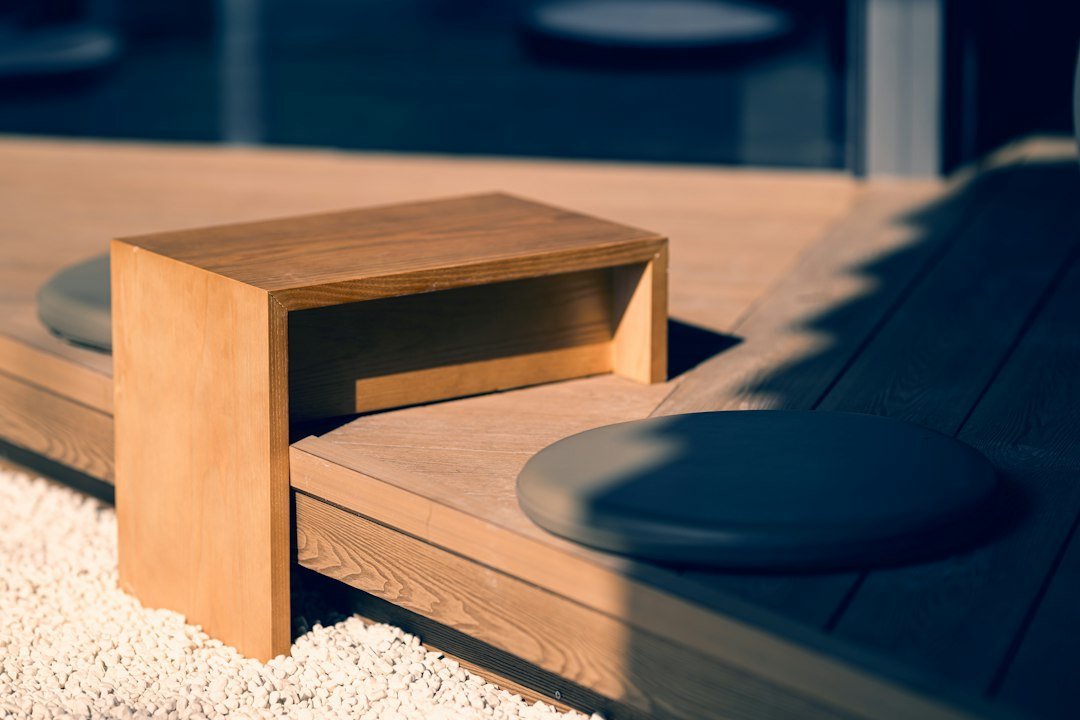
The hand-carved wooden bench is best for people who prefer an elevated seat for meditation and want durable simple furniture over soft cushions. For more cushion support during restorative yoga or longer sitting, consider a yoga bolster set instead.
Quick practice tips to avoid common pitfalls
- Set small, specific goals (e.g., 10 minutes daily for meditation; three 20-minute yoga sessions weekly).
- Use guided sessions for the first 2–4 weeks so you learn cues and avoid frustrating form errors.
- Prioritize comfort in meditation: a slightly elevated seat prevents numbness and distraction.
- For yoga, prioritize joint-friendly modifications over “perfect” alignment; consistency beats intensity.
- What’s your primary goal: body change or mental training?
- How many minutes can you realistically commit each day?
- Do you have mobility or pain that needs modifications?
- Will guided classes or audio fit your learning style better?
- Do you need props (cushion, bolster, bench) to practice comfortably?
Yoga and meditation both develop attention and reduce stress, but they emphasize different entry points: yoga through movement and breath, meditation through stillness and awareness. Pick the practice that matches your immediate goals and constraints, try short consistent habits, and adjust based on what you actually do.
Can I do both yoga and meditation?
Yes—many people combine them: a short yoga warm-up can make seated meditation more comfortable, and meditation deepens the mental focus used during yoga.
How long until I notice benefits?
Some benefits appear quickly—reduced stress after one meditation session or less stiffness after a few yoga practices—but measurable, lasting change usually requires several weeks of consistent practice.
Is equipment necessary?
Not strictly. Meditation needs minimal equipment, but a cushion or bench improves comfort. A yoga mat and optional props (bolster, block) make yoga safer and more accessible.
Which is better for sleep?
Gentle restorative yoga or yoga nidra often helps sleep more reliably than standard seated meditation, though individual responses vary.