 Wishlist
Immediate takeaway
Mindfulness exercises—simple breathwork, a short body scan, guided imagery, progressive muscle relaxation and grounding techniques—can lower stress within minutes and improve sleep and focus when practiced regularly. Choose 1–3 exercises that fit the moment: a 1–3 minute breath practice for acute tension, 10–20 minutes body scan or loving-kindness for deeper unwinding.
How to pick the right mindfulness exercise for your moment
Ask: how much time do I have? Am I trying to stop a racing mind now, fall asleep, or downshift after work? Fast needs (5 minutes or less) respond well to breath techniques and grounding. If you have 10–20 minutes pick a body scan, guided imagery, or progressive muscle relaxation. For ongoing emotional resilience, include loving-kindness or journaling multiple times per week.
10 mindfulness exercises and when to use them
-
Diaphragmatic breathing (2–5 minutes)
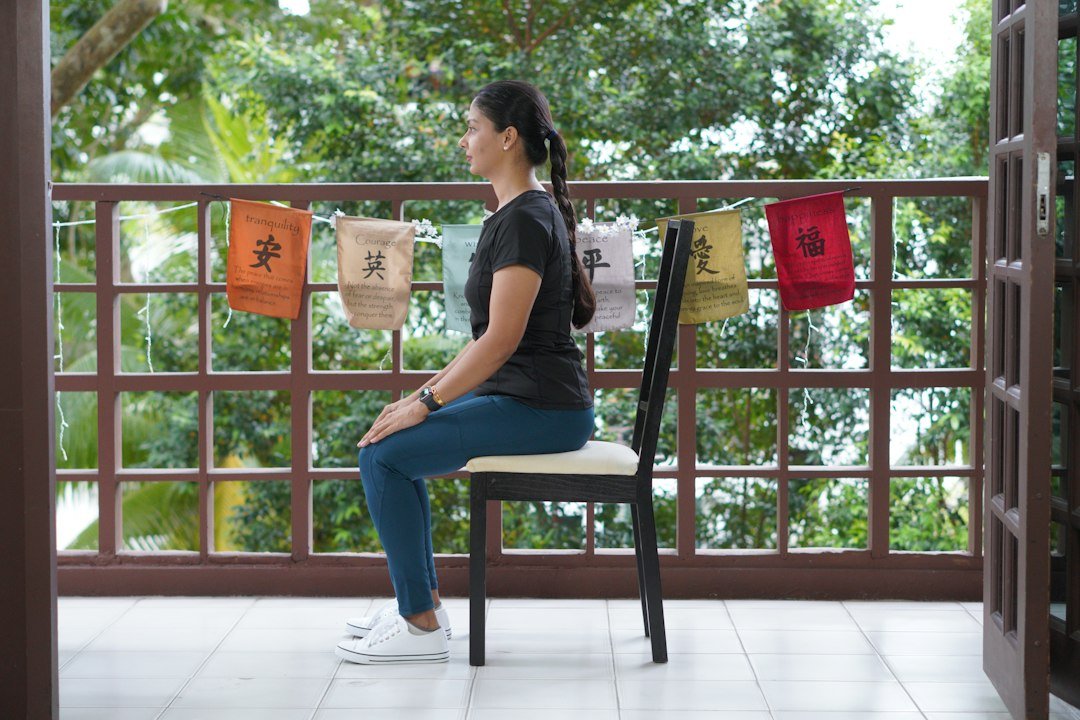
How: Sit or lie comfortably. Place one hand on your chest, one on your belly. Inhale for a slow count of 4 so your belly rises, exhale for 6–8 so it falls. Repeat 6–10 cycles.
Why it helps: Slower exhalations stimulate the parasympathetic nervous system and reduce heart rate quickly—ideal for acute anxiety or pre-sleep.
-
Box breathing (3–5 minutes)
How: Inhale 4, hold 4, exhale 4, hold 4. Repeat 4–6 rounds. Adjust counts down if 4 feels long.
When to use: Use before a stressful interaction (presentation, meeting) to sharpen focus and steady nerves.
-
5-4-3-2-1 grounding (2–3 minutes)
How: Name 5 things you see, 4 you can touch, 3 you hear, 2 you smell, 1 you taste or a physical sensation. Move slowly and notice details.
When to use: Quick reset for panic, dissociation, or when your thoughts are spiraling.
-
Short body scan (8–12 minutes)
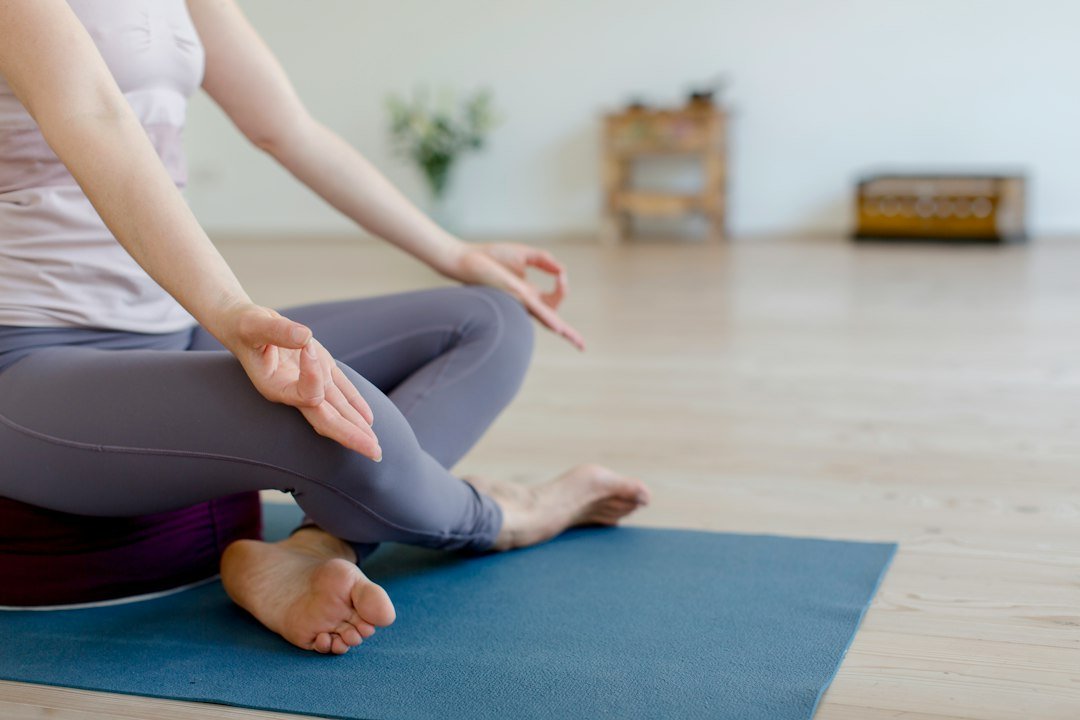
How: Lie down or sit. Bring attention progressively from toes to head (or head to toes), noticing sensations without judgment. Breathe into areas of tension.
When to use: End-of-day unwind or to relieve chronic muscle tension. Works well before sleep.
-
Progressive muscle relaxation (10–15 minutes)
How: Tense a muscle group for 5–7 seconds, then release and notice the difference. Move through feet, calves, thighs, glutes, abdomen, hands, arms, shoulders, neck, jaw, face.
Why it helps: Using tension then release increases body awareness and reduces physical stress responses.
-
Guided imagery (8–15 minutes)
How: Close your eyes and imagine a calm place—be specific about sights, sounds, textures and smells. Stay with the scene, moving through it slowly.
When to use: When physical relaxation is needed along with emotional soothing—for example, after a difficult conversation.
-
Loving-kindness (metta) meditation (10 minutes)
How: Silently repeat phrases such as “May I be safe, may I be well,” then extend to others: loved ones, neutral people, difficult people, all beings.
Why it helps: Cultivates warmth and reduces rumination about interpersonal stress.
-
Mindful walking (5–20 minutes)
How: Walk slowly, coordinate attention with steps. Notice contact of foot and ground, the rhythm, and the environment—sights, smells, air on the skin.
When to use: When sitting still feels impossible or to reset between work blocks. Walking outside amplifies benefits.
-
Sensory pause with a tea ritual (3–10 minutes)
How: Prepare a warm drink with intention. As you sip, notice temperature, aroma, taste, and the sensations in your throat and chest. Breathe slowly between sips.
Why it helps: Small rituals anchor attention and provide a gentle cue to transition out of reactivity.
-
Sound meditation with a singing bowl or ambient tones (5–15 minutes)
How: Focus on a sustained tone—listen to the full decay and returning silence. Let sounds invite the attention back when it wanders.
When to use: Helpful for people who find breath-focused practices induce fatigue or for an immersive calm before sleep.
Practical choices and minor trade-offs
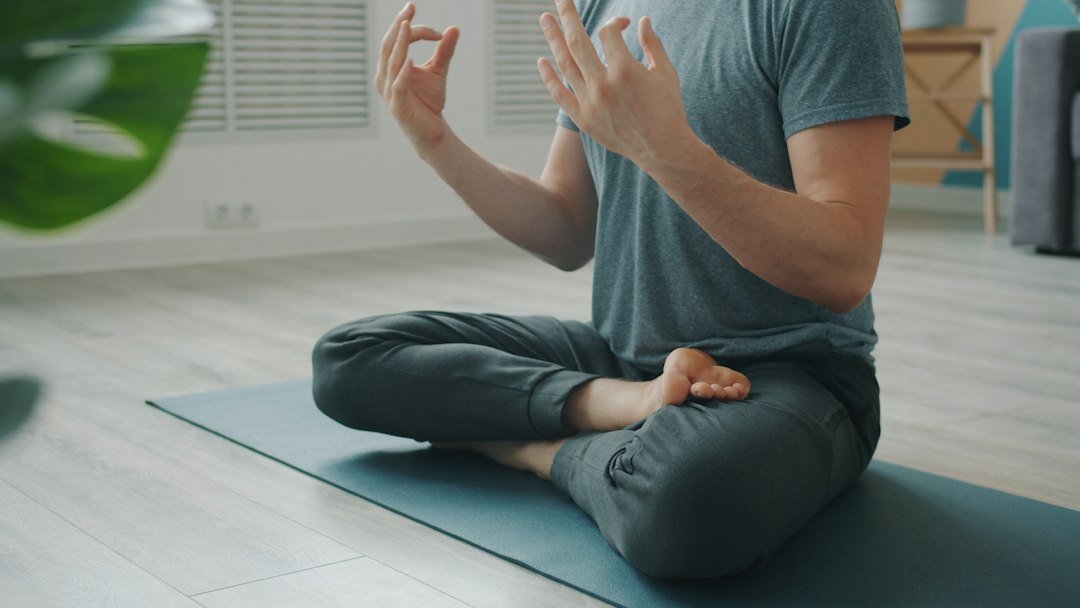
If you’re short on time, learn one reliable breath technique and one grounding exercise; they’ll serve most moments. If your main issue is sleep, prioritize body scan and progressive muscle relaxation in the evening. If intrusive thoughts or relationship stress dominate, practice loving-kindness and guided imagery three times a week.
Product note: A small sound tool like a Tibetan singing bowl can support sound meditation and provide a simple ritual cue. The store’s handcrafted 4" singing bowl is compact, easily placed on a nightstand or desk, and works well for short daily sessions.
Simple weekly plan to build a relaxing practice
Mix short and long practices: for example, box breathing each morning (3 minutes), mindful walking two afternoons (10–20 minutes), and a body scan or progressive muscle relaxation two evenings (10–20 minutes). Keep a journal entry twice weekly to note what changed.

- Identify one fast (≤5 min) and one longer (≥10 min) exercise to practice this week.
- Schedule specific times—attach to an existing habit (after shower, before bed).
- Create a quiet cue: lamp, cup, bowl or mat to signal practice time.
- Track effects for two weeks: sleep quality, mood, reactivity.
Mindfulness exercises are flexible tools: use breathwork and grounding for quick relief, and body-based or imagery practices for deeper unwind sessions. Consistent, small habits beat occasional marathon sessions—pick what fits your life and practice it regularly.
How long before I see benefits?
Immediate calming effects are common after a single short practice; sustained benefits for sleep and anxiety typically appear after 2–6 weeks of regular practice.
Can I combine exercises?
Yes—pairing breathwork with a body scan or following a mindful walk with a short loving-kindness practice often enhances the effect.
What if my mind keeps wandering?
Mind wandering is expected. Gently return attention to the anchor (breath, body sensation, sound) without self-judgment; this is the practice.
Are guided meditations better for beginners?
Guided audio can be very helpful—use recordings for body scan, progressive muscle relaxation or imagery until you feel confident practicing solo.
Can mindfulness replace therapy or medication?
Mindfulness can reduce stress and support mental health but is not a substitute for professional treatment when clinical conditions are present; consult a healthcare provider for diagnosis and guidance.