 Wishlist
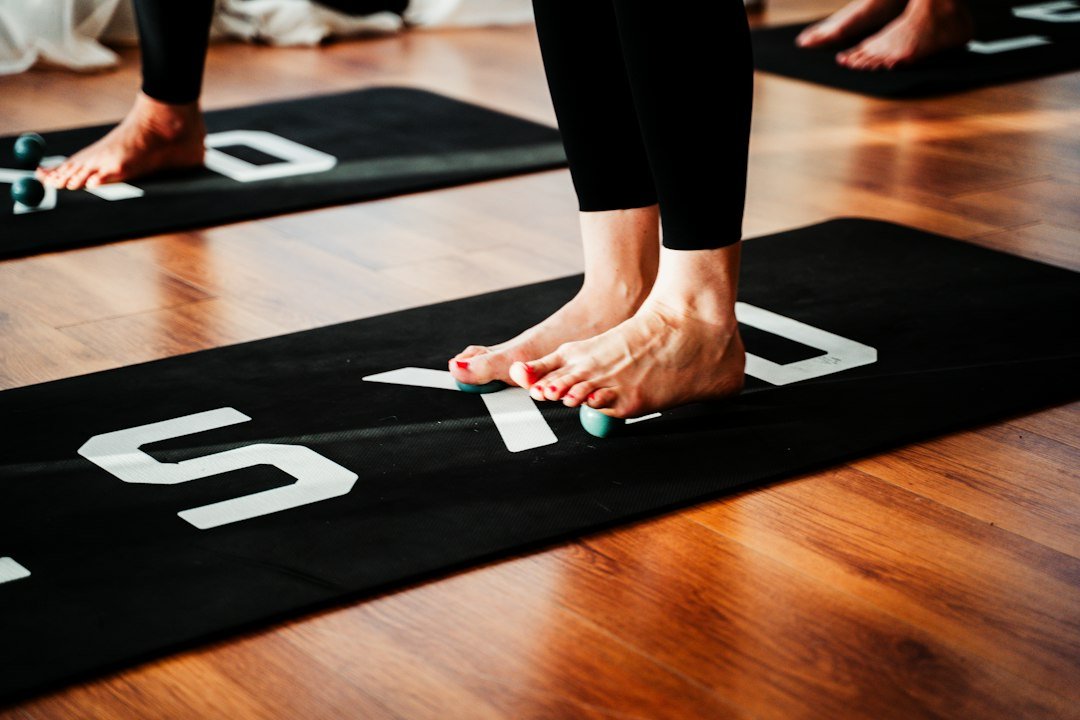
When you’re late for class and your mat is sliding under Down Dog
Picture this: you arrive at a studio, unroll a thin, glossy mat and immediately feel your hands slip during Chaturanga. Or you buy a heavy, cushioned mat for home practice that’s impossible to fold into your bag. Choosing the right yoga mat prevents those everyday frustrations. Below is a clear, practical way to decide—starting with what actually matters.
What actually matters when you choose the right yoga mat
Focus on four decisions, in order: surface grip, cushioning (thickness and density), material and durability, and portability/size. If a mat suits those four for your use case, everything else—color, brand, small extras—becomes secondary.
1. Surface grip: keep your hands and feet where you place them
Grip is the most frequent source of problems. “Sticky” textured surfaces give traction; smooth PVC mats can be slippery when new or sweaty. Consider:
- Hot or sweaty practice: prioritize tacky or textured surfaces (natural rubber, polyurethane top-layers) that maintain grip when damp.
- Beginners practicing slow flows: a stable, moderately sticky mat helps alignment.
- Very dry hands: some microfiber-topped mats are best paired with a light spritz of water to increase tack.
2. Cushioning: thickness vs. firm feedback
Thickness affects comfort and balance. Typical options are 1–2 mm travel mats, 3–4 mm studio mats, and 6+ mm cushier versions.
- Joint pain or knee pressure: choose 6 mm or more with a denser foam. Memory-foam-like mats help kneeling poses.
- Balance-focused practice (standing, Bikram): a firmer 3–4 mm mat gives clearer feedback underfoot and helps stability.
- Travel or airplane yoga: 1–2 mm mats pack small but give little cushioning—use a towel under knees when needed.
3. Material and durability: match values and wear patterns
Common materials and what to expect:
- PVC: high grip and durability at low cost, but less eco-friendly and can off-gas initially.
- Natural rubber: good grip and biodegradable—heavier and not suited for latex allergies.
- TPE and mixed polymers: a middle ground—lighter than rubber, more eco-conscious than PVC in some cases.
- Microfiber or suede tops: pair with a moisture layer (water or towel) for grip; excellent for restorative or Yin classes.
Also consider texture longevity—some inexpensive mats lose their tack after months of regular practice.
4. Portability, size and edge cases
Decide where you’ll use the mat most:
- Studio commuter: choose a mat that fits your bag. Sling-style carriers and tote bags make transport easier.
- Home-only: weight matters less; you can opt for heavier natural rubber or extra-long/extra-wide mats.
- Tall practitioners: look for “long” or “extra-length” mats (72"–84").
Match your choice to common use cases
Below are typical practice scenarios and the mat features that best support them.
Everyday studio classes (mixed vinyasa, flow)
Choose a 3–4 mm mat with a textured, sticky surface—natural rubber or a high-quality PVC—so you get both cushion and connection to the floor. Mid-weight helps transport without bulky carry. If you sweat a lot, pick a mat that maintains grip when damp or use a towel designed for hot yoga.
Hot yoga and sweaty practices
Prioritize a mat with an inherently tacky top or pair a lightweight rubber mat with a microfiber towel. Avoid smooth PVC that becomes slick; instead look for polyurethane-coated mats or models marketed specifically for hot yoga.
Joint sensitivity, pregnancy, restorative or Yin
Go thicker—6 mm or more—and choose a denser foam for true cushioning. Memory-like padding helps knees and wrists; balance will feel slightly softer, so expect a small trade-off on standing posture stability.
Travel and commuting
Thin 1–2 mm mats fold or roll small and are light. They sacrifice padding; carry a small folded blanket or knee pad if you’ll do floor work. If you commute by bike or public transit, a sling or tote bag keeps the mat secure and dry.
Quick tests to try before you buy
If possible, perform three simple checks in-store or when testing at home:
- Hand-and-forearm press: place your palms and forearms and move into Plank/Chaturanga—do your hands slide?
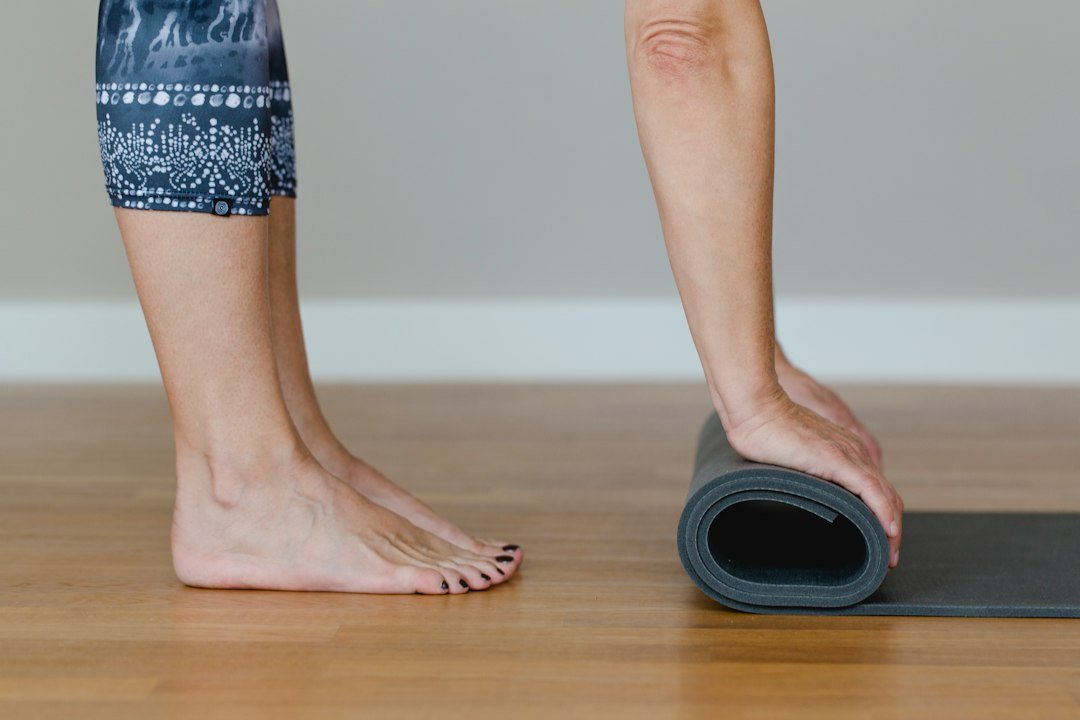
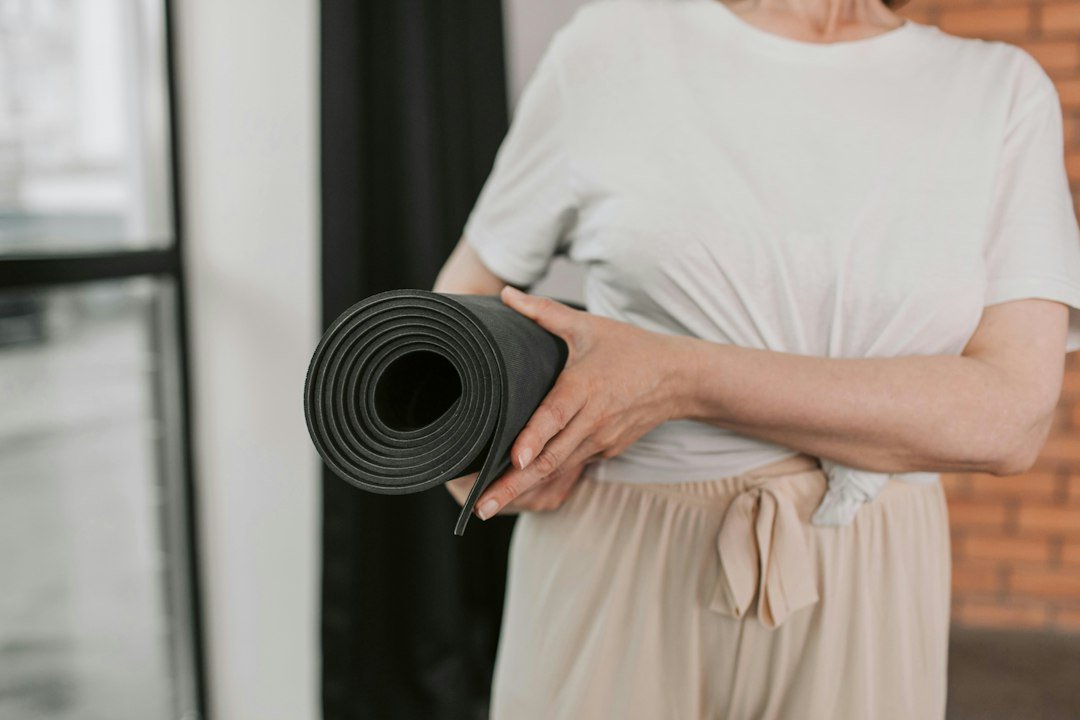
- Fold test for portability: roll or fold the mat as you would to fit your bag; heavy rubber mats can be awkward.
- Balance check: stand in Tree Pose and notice micro-adjustments—firmer mats make balancing cues clearer.
If you’re allergic to latex, verify “natural rubber” mats aren’t labeled as natural rubber latex or test a small patch against your skin; TPE and some PVC mats are safer options.
When to replace a mat
Replace your mat when grip is visibly worn, the surface flakes, the mat no longer lies flat, or cleaning no longer restores tack. For daily practitioners, expect a durable mat to last 1–3 years depending on material and care.
Practical product recommendations
If you want a simple, directly usable accessory now: choose a carry option that matches your chosen mat. For commuters, a high-quality mat bag makes daily transport comfortable and protects the mat.
This YogiiiTotePRO bag fits most studio mats, frees your hands, and reduces wear from rolling and dirt—useful whether you have a thin travel mat or a standard 3–4 mm studio mat.
If you prefer a minimalist carrier, the YOGAER strap converts a rolled mat into an easy shoulder carry without bulk; ideal for thin, rollable travel mats.
Care and small accessories that extend a mat’s life
- Clean regularly with a mild mat spray or diluted vinegar solution; wipe and air dry flat or hung—not in direct sun.
- Rotate which side faces up if you notice uneven wear.
- Use a mat towel for hot classes to protect surface tack and reduce washing frequency.
- Test the mat’s grip with a sweaty-hand simulation.
- Decide required cushioning for knees and balance (3–6+ mm).
- Confirm size and whether you need extra length or width.
- Check material for allergies and environmental preference.
- Try rolling or carrying the mat in the bag you’ll use.
Pick the mat that fits your practice first—not the prettiest pattern. A sticky, appropriately thick mat that you can transport comfortably will improve your daily practice more than any single feature. Invest in a good bag and basic care to make it last.
How thick should a beginner’s yoga mat be?
For most beginners a 3–4 mm mat is a good balance of cushion and stability; choose thicker if you have sensitive knees or wrists.
Are expensive mats worth it?
Higher-priced mats often use better materials and have longer-lasting grip; they’re worthwhile if you practice frequently or want eco-friendly options.
Can I use a regular exercise mat for yoga?
Some general fitness mats work for yoga, but they may lack the grip and textured surface needed for stability in poses like Down Dog.
How should I clean a yoga mat without damaging it?
Use a mild spray (water + small amount of mild soap or vinegar) and wipe with a soft cloth, then air dry away from direct sunlight to avoid material breakdown.
Which mats are best for hot yoga?
Look for mats marketed for hot yoga with tacky surfaces or choose a rubber/PU top-layer combined with a microfiber towel for absorbent grip.