 Wishlist
Quick answer: the 10 beginner yoga poses to learn and why
The core list every new practitioner should learn is: Mountain (Tadasana), Downward-Facing Dog (Adho Mukha Svanasana), Child’s Pose (Balasana), Cat–Cow (Marjaryasana–Bitilasana), Low Lunge (Anjaneyasana), Warrior II (Virabhadrasana II), Triangle (Trikonasana), Seated Forward Fold (Paschimottanasana), Cobra (Bhujangasana), and Bridge (Setu Bandha Sarvangasana). These poses build basic alignment, breathing coordination, balance and safe back and hip mobility—the foundations for most other yoga work.
How to practice each pose: the essentials, common mistakes and simple modifications
Mountain (Tadasana) — alignment for everything
Why it matters: Mountain is a neutral standing posture that trains balance, foot awareness, and full-body alignment.
- How: Stand with feet hip-width or together, distribute weight evenly, lift the chest without flaring ribs, soften the knees, and reach crown upward while grounding through the feet.
- Common mistakes: Swaying the low back, tensing shoulders, or gripping toes. Fix by micro-bending knees and imagining weight pressing into all four corners of each foot.
- Modifications: Practice with back against a wall to feel vertical alignment.
Downward-Facing Dog — a full-body reset
Why it matters: Strengthens shoulders and arms, stretches hamstrings and calves, and introduces the inverted shape used in many flows.
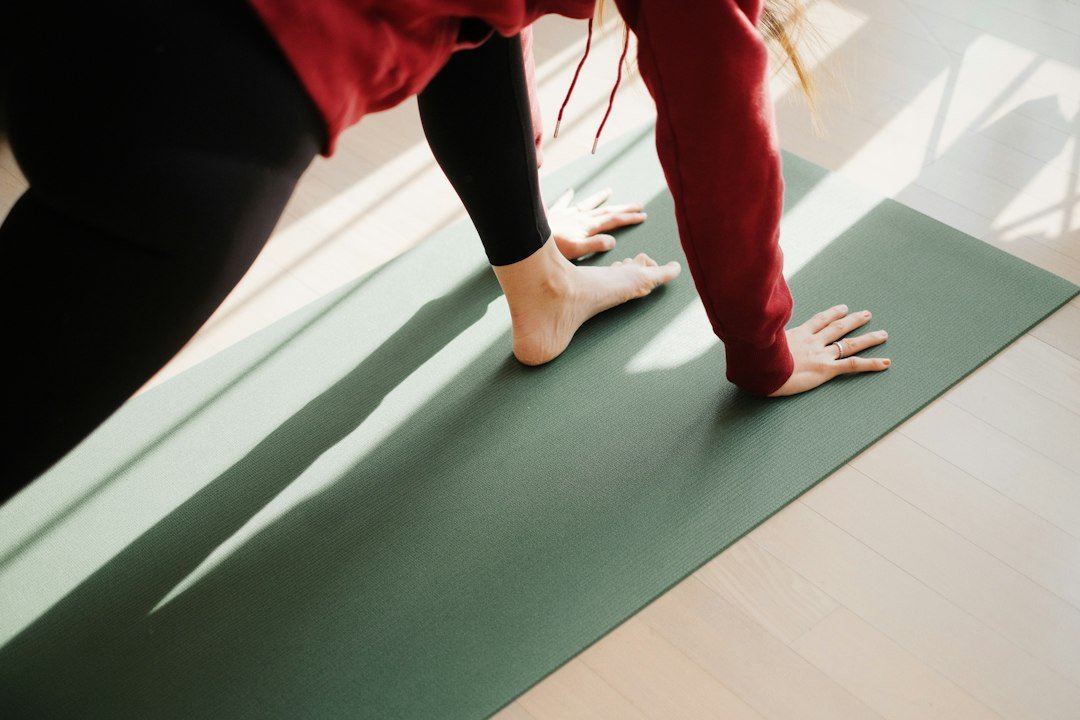
- How: From hands and knees, tuck toes, lift hips high, press hands active, and aim to create a long spine rather than forcing straight legs.
- Common mistakes: Rounded upper back and collapsing shoulders. Keep shoulders away from ears and press knuckles and index fingers into the mat.
- Modifications: Pedal the feet, bend knees, or use blocks under hands to reduce shoulder strain.
Child’s Pose — rest with structural benefit
Why it matters: A natural recovery posture that opens the hips and allows breath regulation between active poses.
- How: Sit back on heels, widen knees if needed, reach arms forward or rest by sides, and rest forehead on mat or block.
- Common mistakes: Holding tension in the neck or collapsing breath. Use a bolster or folded blanket under the torso for support.
Cat–Cow — safe spinal mobility
Why it matters: Teaches segmental movement of the spine and coordination with breath, excellent for morning practice or after sitting.
- How: From tabletop, inhale into cow (drop belly, lift gaze), exhale into cat (round spine, tuck chin). Move slowly and feel each vertebra.
- Common mistakes: Moving too fast or forcing range. Keep motion smooth and within comfortable range.
Low Lunge — hip opening and balance
Why it matters: Opens hip flexors and builds single-leg stability—useful for running, walking and many yoga transitions.
- How: From tabletop or downward dog step one foot forward, align knee over ankle, sink hips forward and down, keep torso upright or hands on blocks.
- Common mistakes: Letting front knee pass toes or collapsing the back hip. Use blocks under hands and a blanket under the back knee for comfort.
Warrior II — strength with outward focus
Why it matters: Builds leg strength, opens the groin and trains safe hip rotation and gaze control.
- How: Stand wide, turn front foot forward, bend front knee over ankle, extend arms parallel to floor, and gaze over the front hand.
- Common mistakes: Collapsing the chest or tipping the torso forward—keep hips stacked and spine neutral.
Triangle (Trikonasana) — length and side-body openness
Why it matters: Teaches long lines, balance and hamstring access without rounding the spine.
- How: With feet wide, straighten front leg, reach forward, then lower the front hand to shin/block while lifting the other arm up; keep ribs stacked.
- Common mistakes: Rounding the torso or locking the knee. Bend the front knee slightly and use a block under the hand if needed.
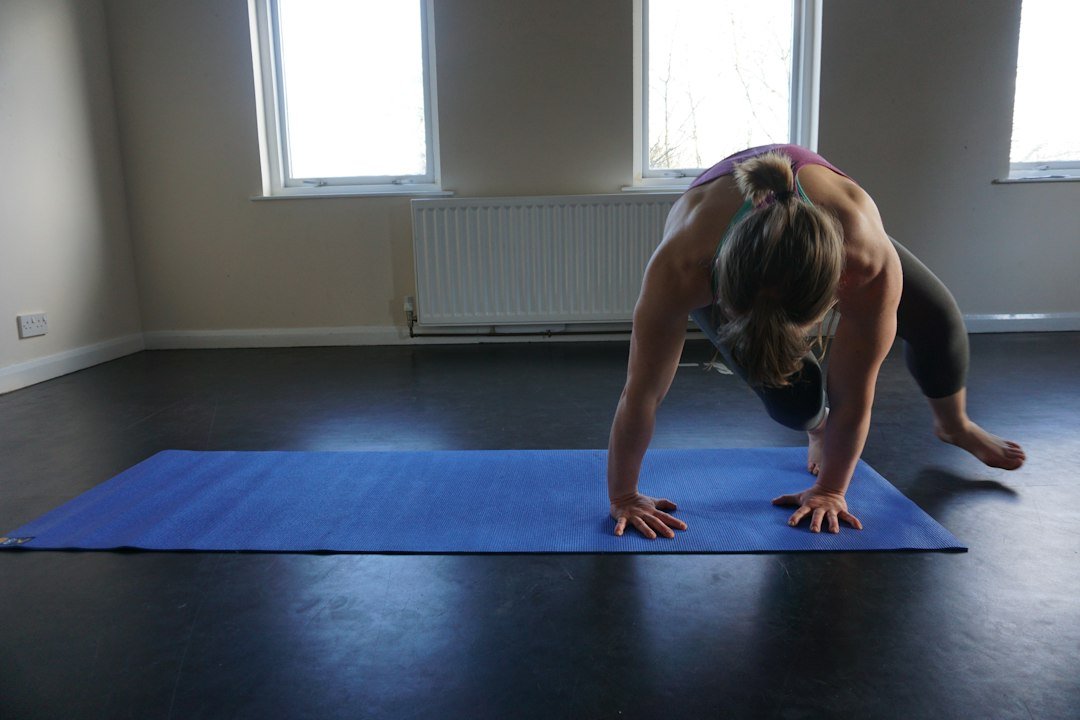
Seated Forward Fold — hamstring length without strain
Why it matters: Stretches the back of the legs and calms the nervous system; good for winding down a practice.
- How: Sit tall, hinge from the hips, keep a long spine as you reach toward feet; bend knees slightly if hamstrings are tight.
- Common mistakes: Rounding the lower back to reach toes. Place a strap around feet and hold the strap instead of pulling the torso down.
Cobra (Bhujangasana) — gentle backbend to build spinal extension
Why it matters: Introduces back extension safely and strengthens the upper back when done with proper engagement.
- How: Lie on belly, hands under shoulders, press chest up using the back muscles more than the hands, keep elbows slightly bent.
- Common mistakes: Overlifting into low-back compression. Keep legs active and only lift to a height that allows relaxed breathing.
Bridge (Setu Bandha) — hip and posterior chain strength
Why it matters: Builds glute and lower-back strength, opens the chest and is a gentle inversion alternative.
- How: Lie on back, feet hip-width, press into feet to lift hips, keep knees over ankles, and interlace hands under the back for a supported variation.
- Common mistakes: Splaying knees outward or clenching the jaw. Keep a small block between knees if tracking is a problem.
When to use props, how to progress, and safety notes
Props speed learning and protect bodies. For beginners a strap and one block are the fastest way to make these 10 poses accessible. Use a strap for seated forward fold and cow/cobra variations; use a block under hands in triangle and low lunge to avoid collapsing the torso. If you have a history of wrist, knee or back issues, prioritize modifications (blocks, bolsters, shorter range) and consult a qualified teacher for personalized adjustments.
Product note: a quality 8-ft yoga strap is especially helpful for seated forward folds and hamstring work; the recommended strap above fits most beginners and is easy to use with loops or knots.
How often to practice and a simple weekly plan
Short daily sessions (10–20 minutes) are better than infrequent long classes. Begin with a three-day weekly plan: Day A—standing and balance focus (Mountain, Down Dog, Warrior II, Triangle); Day B—hip and spine mobility (Low Lunge, Cat–Cow, Child’s Pose, Cobra); Day C—seated and restorative (Seated Forward Fold, Bridge, Child’s Pose). Repeat and rotate, adding repetitions or slightly longer holds as comfort increases.
Common progressions and next steps
After mastering alignment in these poses, add breath-synced movement (vinyasa transitions), longer holds for strength, or learn inversions and more advanced backbends under guidance. If flexibility is limiting a pose, choose strengthening variations first rather than forcing depth.
- Can you breathe comfortably for 5 breaths in each pose? If not, use a modification.
- Have a strap and one block available for hamstring and balance support.
- Practice 3× a week for 10–20 minutes or daily for shorter sessions.
- Prioritize alignment over depth—use the wall or props to check vertical lines.
- Note any joint pain (not muscle stretch) and back off immediately.
Learn these ten poses with simple alignment cues and props, practice them regularly, and prioritize breath and small, steady progress. That approach builds a safe, resilient yoga practice you can expand from.
Do I need a yoga mat or special clothes?
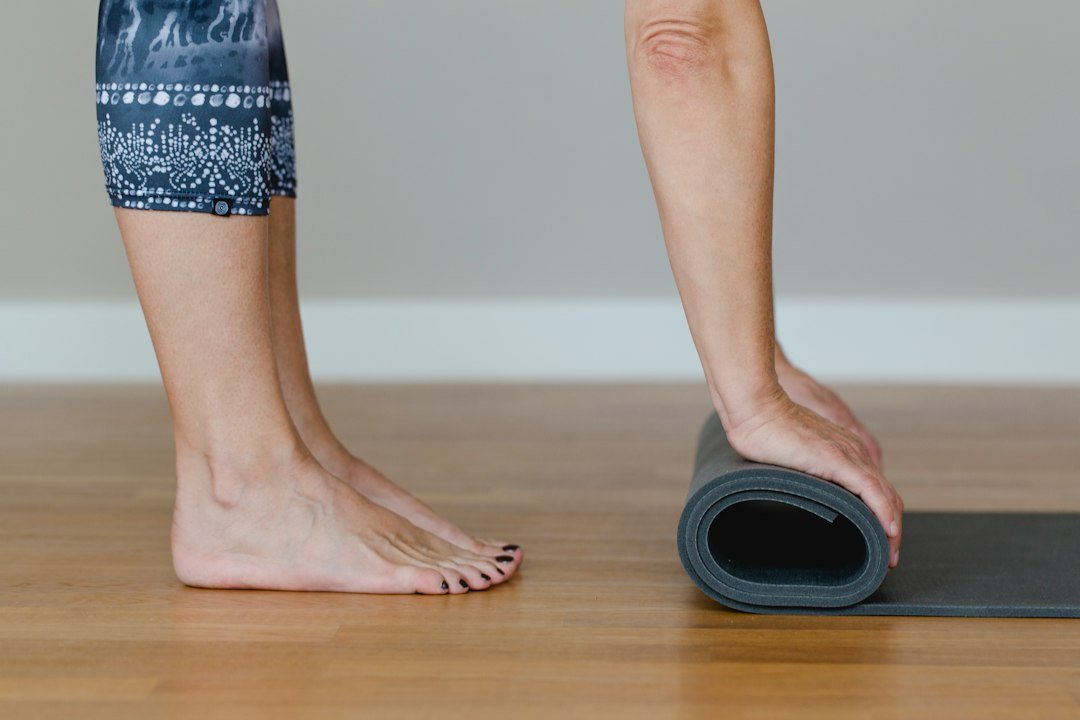
A basic non-slip mat helps foot and hand grip; comfortable, non-restrictive clothing is sufficient—no special gear required.
How long should I hold each pose?
Beginners can hold standing or seated poses 3–5 breaths and restorative poses 5–10 breaths; adjust based on comfort and breath quality.
What if I have tight hamstrings?
Bend the knees in forward folds, use a strap around the feet in seated stretches, and gradually practice short daily movements to reduce risk of strain.
Can I do yoga if I’m not flexible?
Yes—yoga improves mobility and strength. Focus on alignment and use props; flexibility increases over months, not days.
Where can I learn proper alignment for these poses?
Consider a few private sessions with a certified teacher or follow a reputable beginner course—this guide and our Yoga for Beginners article are good starting points.