 Wishlist
Start with the result you want: calmer mind, faster sleep
If your evenings too often end with scrolling, racing thoughts, or waking repeatedly, a relaxing bedtime routine makes going to sleep predictable and easier. A good routine lowers physiological arousal, signals your brain that sleep is next, and reduces the common triggers—light, caffeine, stress—that keep people awake.
Make a simple plan: pick a fixed wind-down window
Decide on a 30–60 minute wind-down window that ends at your intended bedtime. Keeping the same timing nightly anchors your circadian rhythm. For example, if you want to sleep at 11:00 p.m., set the routine from 10:00–11:00 p.m.
Within that hour, follow a gentle sequence: stop stimulating activities, dim lights and screens, do calming practices, and get into bed when drowsy rather than forced awake. Consistency matters more than perfection.
Control the environment to reduce stimulation
Light, noise and temperature are the strongest non-behavioral influences on sleep. Make quick, high-impact changes:
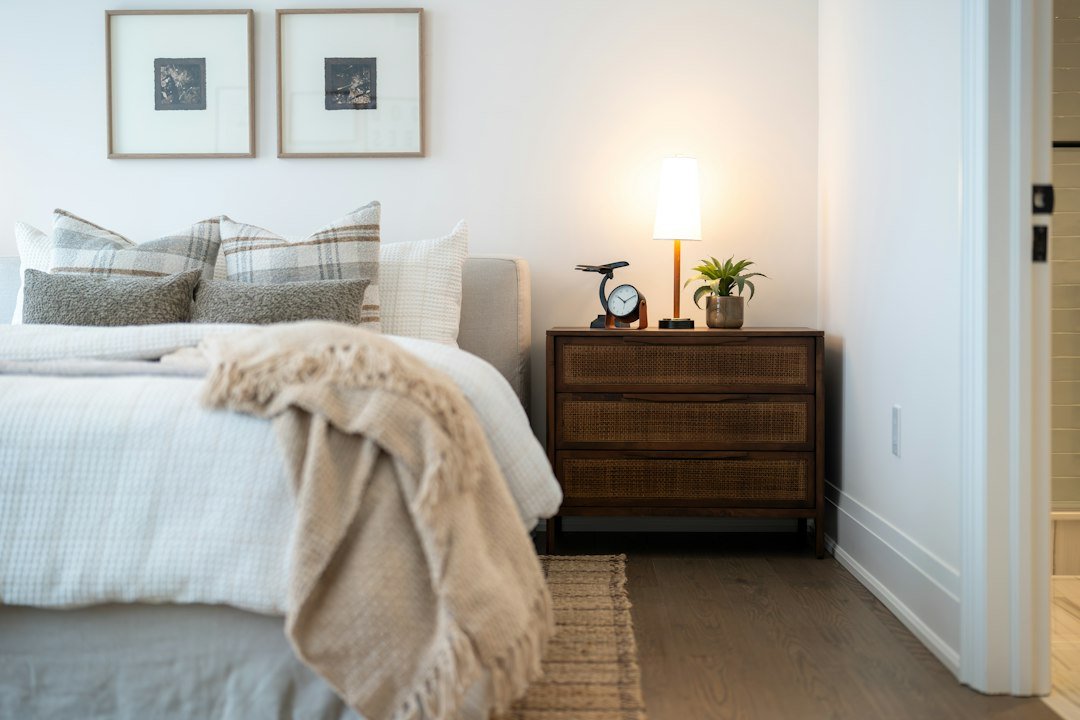
- Dim overhead lights and switch to warm-toned bedside lamps 30–60 minutes before bed.
- Lower bedroom temperature to around 60–68°F (15–20°C) or to whatever feels cool for you.
- Use blackout shades or an eye pillow to cut stray light; a white-noise machine or fan helps mask intermittent noises.
Put screens away and reduce blue light
Stop using phones, tablets, or laptops at least 30 minutes before your wind-down window ends. If you must use a device, enable night mode and lower brightness. Consider a physical boundary—leaving your phone in another room or using a charging basket to break the habit of late-night checking.
Choose calming activities that actually relax you
Not every "calming" activity helps everyone. Test these and pick 1–2 that reliably lower your arousal:
- Breathing practice: 4–6 slow breaths per minute (for example, 4s inhale, 6s exhale) for 3–8 minutes reduces heart rate and tension.
- Light stretching or restorative yoga: gentle forward bends, legs-up-the-wall, or a 5–10 minute neck/shoulder routine.
- Mindfulness or guided meditation: a short, voice-guided practice focused on body sensations or breath.
- Reading a physical book (not a thriller) under a warm lamp.
- Journaling a quick list of tomorrow’s tasks and one gratitude sentence to clear the mind.
Rotate these activities so your routine stays fresh, but keep the order similar so the brain learns the cue sequence.
Use practical tools to support the routine
Small items can make the routine easier to keep. A weighted blanket, for example, can help some people feel grounded and fall asleep more easily; it’s worth trying if you’re sensitive to touch or anxiety at night.
Other useful tools include an eye pillow, a dimmable bedside lamp, a simple alarm clock (not a phone), and calming essential oils such as lavender in a diffuser. Place these items within reach so you don’t interrupt the wind-down to hunt for them.

Time your food, drink and supplements
Avoid heavy meals, alcohol, and large amounts of fluid within 90 minutes of bed. Caffeine should ideally stop 6–8 hours before sleep. If you use supplements—like magnesium or herbal tea—introduce them one at a time and allow several nights to evaluate any effect.
Bring the routine to bed: what to do once you’re under the covers
Move to bed only when you are sleepy, not wide awake, to prevent bed–wake conditioning. Once there:
- Keep lights low and avoid stimulating reading or screen time.
- Use a short breathing exercise or progressive muscle relaxation if your mind is still active.
- If you can’t fall asleep within 20–25 minutes, get up and do a quiet, low-light calming activity for 10–15 minutes, then return to bed.
Troubleshooting: what to change if it’s not working
If you’re still struggling after two weeks, troubleshoot systematically:
- Timing: Are you going to bed at a biologically appropriate hour? Shift bedtimes earlier in 15–30 minute steps if needed.
- Stimulus control: Are you using your bed only for sleep and sex? Remove work, reading, or TV from the bedspace.
- Stress spillover: If worries dominate, add a 5–10 minute earlier worry-journal session to your routine to offload concerns.
- Environment: Re-evaluate light sources, bedroom temperature, and noises you might have tuned out but still disrupt sleep stages.
Adapting your routine for shift work, travel, or children
When your schedule shifts, preserve the sequence and relative timing rather than exact clock times. For travel, create a mini-routine: dim a lamp, do five minutes of breathing, and use earplugs or an eye mask to recreate the sleep cues. For parents, negotiate 10–15 minute "protected wind-down" windows when possible, and use quick practices (breathwork, eye pillow) that can be done beside a sleeping child.
When to seek professional help
If you have persistent difficulty falling or staying asleep despite a consistent routine—especially if you suspect sleep apnea, restless legs, or severe insomnia—consult a sleep specialist or your primary care provider. Routines help most people but aren’t a replacement for medical evaluation when symptoms are severe.

- Set a consistent 30–60 minute wind-down window ending at intended bedtime.
- Dim lights, cool the room, and reduce noise before the wind-down window.
- Put screens away at least 30 minutes before bed or store phone in another room.
- Choose 1–2 calming activities (breathwork, light yoga, journaling) and keep their order.
- Use supportive tools (dimmable lamp, weighted blanket, eye pillow) placed within reach.
- If awake >25 minutes in bed, get up for a low-light calming task and try again.
A relaxing bedtime routine is a short, consistent sequence of environmental controls and calming actions that signal your brain to sleep. Pick a nightly window, limit screens and bright light, use a couple of reliable calming practices, and add helpful tools like a weighted blanket when they fit your needs.
How long before bed should I start my routine?
Start 30–60 minutes before your target bedtime; 45 minutes is a practical sweet spot for most people.
Can I use my phone during wind-down if it’s on night mode?
Night mode helps but doesn’t eliminate stimulation. Leaving the phone in another room is more effective if you struggle with bedtime alerts or checking.
Will a weighted blanket help me fall asleep?
Many people find weighted blankets calming and helpful for falling asleep, especially if anxiety or restlessness are factors; try one for several nights to judge its effect.
What if my partner has a different bedtime?
Agree on quiet separate wind-down routines: shared elements (dim lights) plus individual activities. Use earplugs or separate blankets if needed to avoid disturbing each other.
How long until I see benefits from a bedtime routine?
Some people notice improvements in days; for stable changes to sleep patterns and circadian rhythm, allow 2–4 weeks of consistent practice.