 Wishlist
Small changes that actually stick
Most people want healthier days without turning life into a checklist. That’s why this collection focuses on simple wellness habits you can realistically keep: small, purposeful moves that stack into better sleep, steadier energy and less stress. Below the habits are arranged in a sensible daily flow—morning, daytime and evening—so you can pick a few that naturally fit together rather than trying to do all ten at once.
Morning: start with ease and momentum
1. Hydrate first thing (one glass, no big plan)
Why it matters: Overnight you lose fluids; a glass of water on waking refreshes digestion, supports energy and gives you a gentle cue to be intentional about the day.
Simplify: Keep a glass or bottle by the bed. Drink it before checking your phone so the habit isn’t crowded out by other tasks.
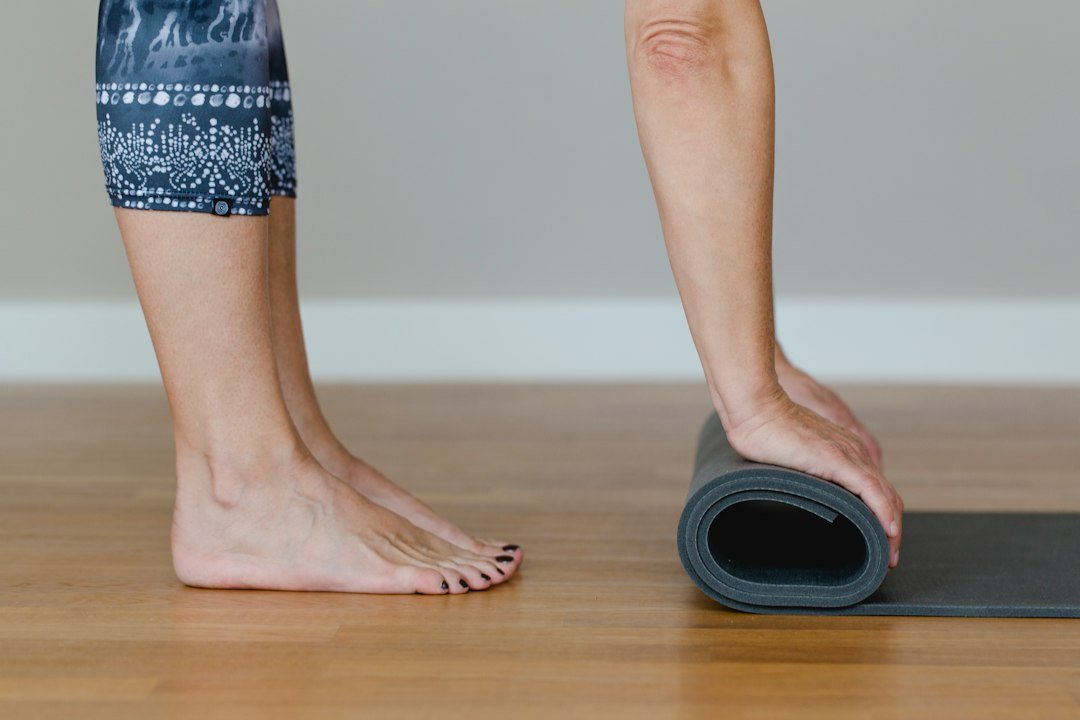
2. Do a two- to five-minute movement routine
Why it matters: Short, consistent movement primes circulation and posture without demanding a full workout. Ten minutes of activity often begins with a five-minute start you’ll actually do.
Simplify: Choose three gentle moves — for example, neck rolls, cat–cow, and standing hip openers — and set a three-minute timer. No equipment, no outfit change.
3. One prioritization question
Why it matters: Deciding the single most useful thing to finish today reduces decision fatigue and increases the chance of meaningful progress.
Simplify: Write one line in a notebook before you get immersed in email: “Today I will mainly finish…” That’s it.
Daytime: sustain energy and focus
4. Use natural light and microbreaks
Why it matters: Exposure to daylight helps keep circadian rhythm stable and boosts alertness, while short breaks protect focus and reduce physical tension.
Simplify: Position your workspace near a window when possible. Every 60–90 minutes, stand, look out the window for 30 seconds and stretch shoulders for 20 seconds.
5. Eat a balanced lunch with a protein focus
Why it matters: Midday protein and fiber stabilize blood sugar and energy; heavy carb-only meals often trigger afternoon sluggishness.
Simplify: Aim for a plate with three parts: vegetables, a palm-sized protein (eggs, beans, chicken, tofu), and a small whole-grain or starchy vegetable. If you pack lunch, keep one reliably simple recipe you enjoy.
6. Limit reactive screen time with short rules
Why it matters: Constant notifications fragment attention and increase stress; small boundaries reclaim focus and time.
Simplify: Turn off non-essential notifications and set two specific times to check social media or personal email. Use “do not disturb” during your most productive hour.
Afternoon to early evening: recovery and transition
7. Move again—ten minutes beats nothing
Why it matters: A brief walk or mobility session in the afternoon reduces stiffness, improves mood and helps you separate work from home life.
Simplify: Walk one block or do a timed ten-minute mobility video. If weather or schedule prevents a walk, marching in place for five minutes still helps.
8. Hydrate with purpose and reduce late caffeine
Why it matters: Dehydration affects concentration and mood; late caffeine disrupts sleep for many people.
Simplify: Track water with a refill target (e.g., one bottle every three hours). Move your last caffeinated drink to at least six hours before bed and replace it with herbal tea if you want ritual.
Evening: wind down without rules that feel punitive
9. One short relaxation practice before bed
Why it matters: A consistent pre-sleep ritual signals your brain it’s time to rest, improving sleep quality more than sporadic longer practices.
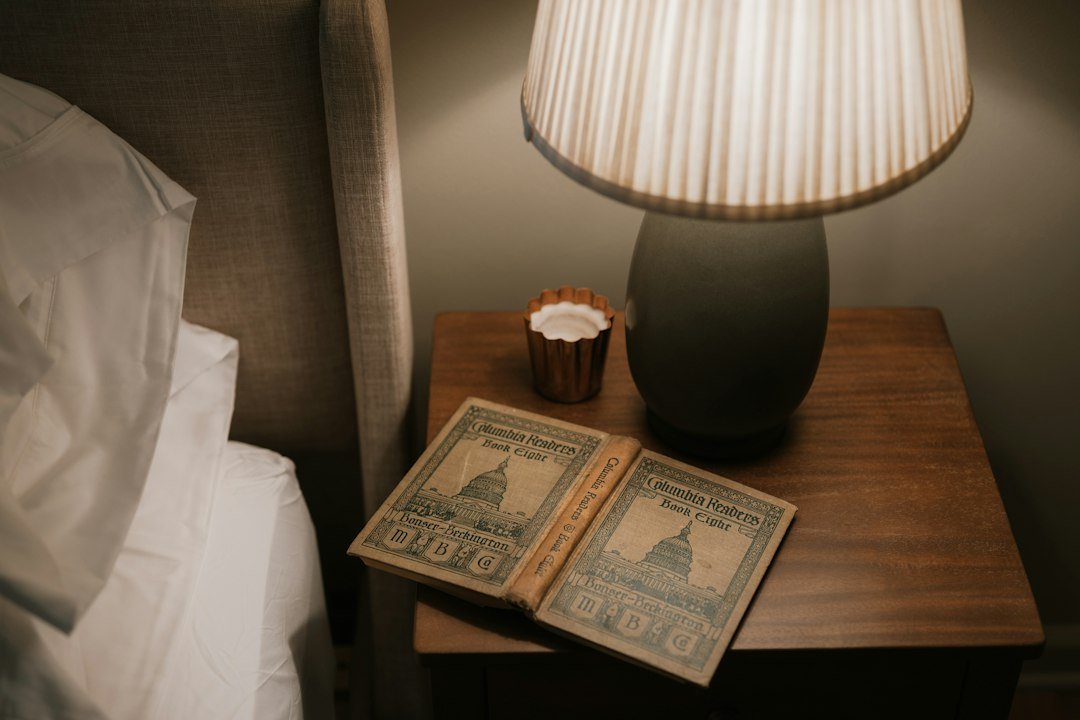
Simplify: Pick one small practice—three minutes of deep belly breathing, a two-minute progressive muscle relax, or reading three pages of a paperback. Keep it the same each night so it becomes a cue.
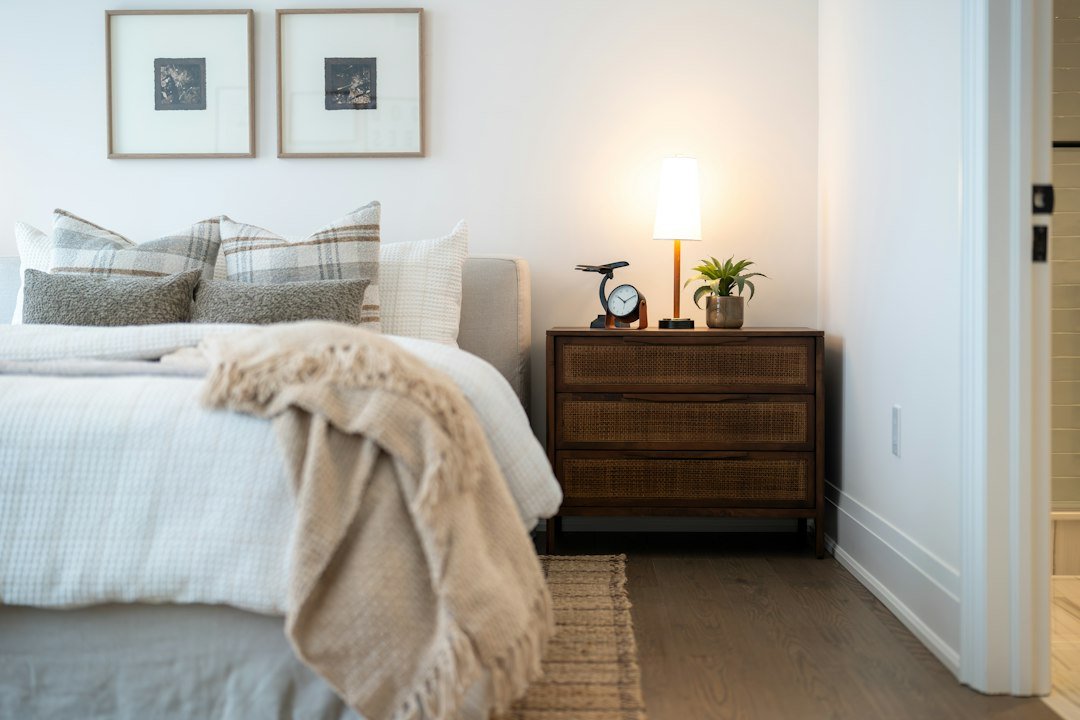
10. Create a simple bedroom boundary
Why it matters: Associations matter—rooms that serve one primary purpose (sleep) make it easier to fall asleep and wake refreshed.
Simplify: Remove work items and put phones on charge outside the bed. If you read in bed, keep lights dim and switch to paper or a warm-light setting to avoid blue light stimulation.
One product that helps this routine
If you want a small, reliable guide to support movement and pelvic health within a daily routine, a focused wellness book is a practical tool between sessions and on travel days.
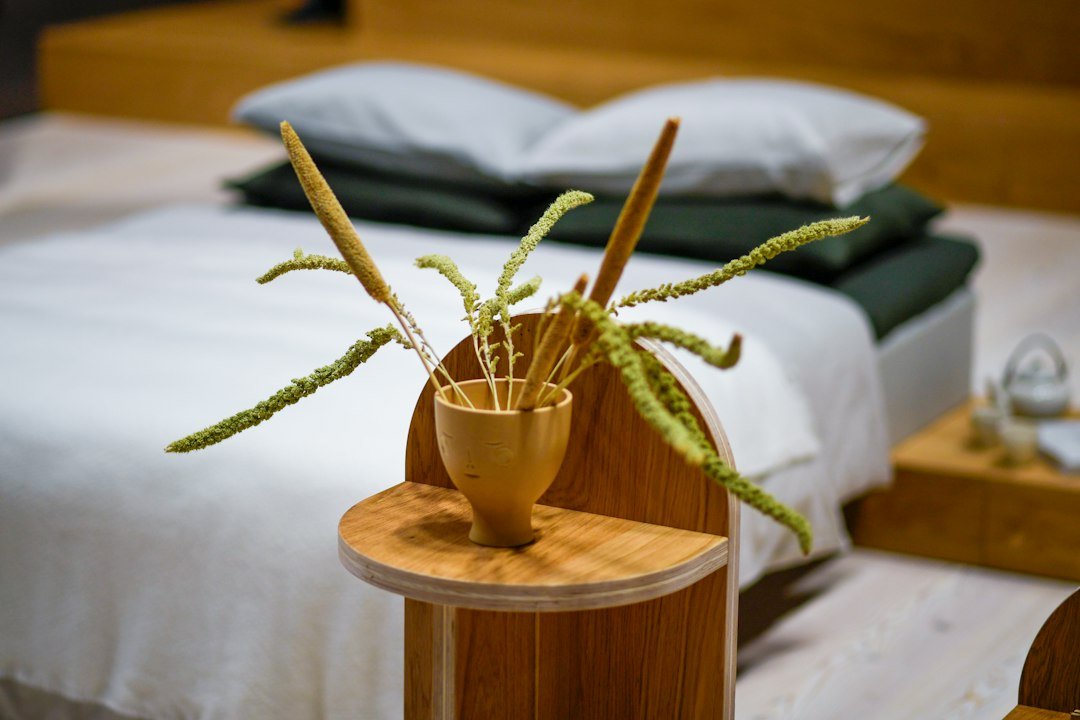
Putting fewer habits together so they actually stick
Combining habits that flow into each other reduces friction: keep water by your bed to link hydration to waking, do your short movement where you put on shoes so it becomes a pre-walk cue, and pair your evening breathing practice with dimming lights. Resist the temptation to add more than one habit per time block until those feel automatic.
- Place one glass/bottle of water by your bed.
- Write today’s single priority in a notebook each morning.
- Schedule two screen-free blocks each day (work and evening).
- Plan one reliable lunch recipe with protein.
- Set a five- or ten-minute movement reminder mid-afternoon.
Simple wellness habits work best when they’re specific, timed and paired with existing cues. Start with a handful—hydrate on waking, move briefly twice a day, simplify lunch, protect focused work time and end with a short wind-down ritual—and build from there.
How many habits should I start with?
Begin with two to four habits spread across morning, daytime and evening; once they feel automatic (about three weeks) add more if needed.
What if I travel or have an irregular schedule?
Keep the smallest elements portable: a water bottle, a two-minute breathing practice, and one quick movement sequence you can do in a small space.
Can short movement replace exercise?
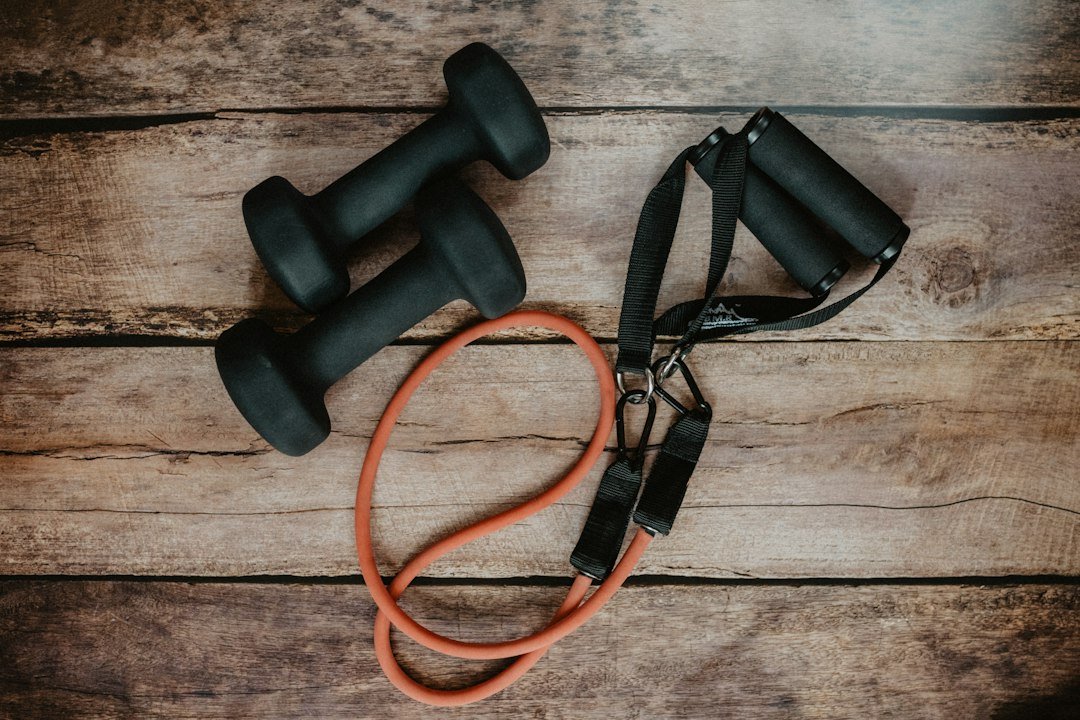
Short daily movement improves mobility and energy but doesn’t replace purposeful strength work if you have specific fitness goals; combine both as needed.
How do I stop checking my phone so often?
Create small rules—turn off nonessential notifications, schedule specific check times, and physically place the phone away during focused work and just before bed.
Is a book or a course worth buying to build these habits?
A concise, practical book can help structure habit formation and provide short routines; choose one that emphasizes small, repeatable practices rather than long programs.