 Wishlist
Quick takeaway: How to use essential oils safely and effectively
Aromatherapy for beginners works best when you pick high-quality oils, use them in a diffuser or dilute them before skin contact, follow simple dilution ratios (usually 1–2% for adults), always patch-test, and avoid specific oils for pregnancy, young children, pets, or broken skin. Below are clear, practical steps and easy blends so you can start now and stay safe.
Choose the right oils and why quality matters
Not all essential oils are created equal. Look for 100% pure, single-ingredient oils with clear botanical names on the label (Lavandula angustifolia for true lavender). Avoid vague labels like “fragrance oil” or “perfume oil.” For beginners, start with a small set: lavender (calming), peppermint (focus/respiratory), lemon (uplifting/cleaning), eucalyptus (clearing), and a mild floral like sweet orange or bergamot.
How to use a diffuser safely
Diffusers are the gentlest way to experience aromatherapy. For an ultrasonic diffuser, add water to the fill line and 3–6 drops total of essential oil for a small room (adjust slightly by room size). Run in 30–60 minute intervals rather than continuous use, and ventilate the room after each session. Avoid diffusing near food, infants, birds, reptiles, or if a household member has severe asthma without consulting them first.
Topical use: dilution, carrier oils and patch testing
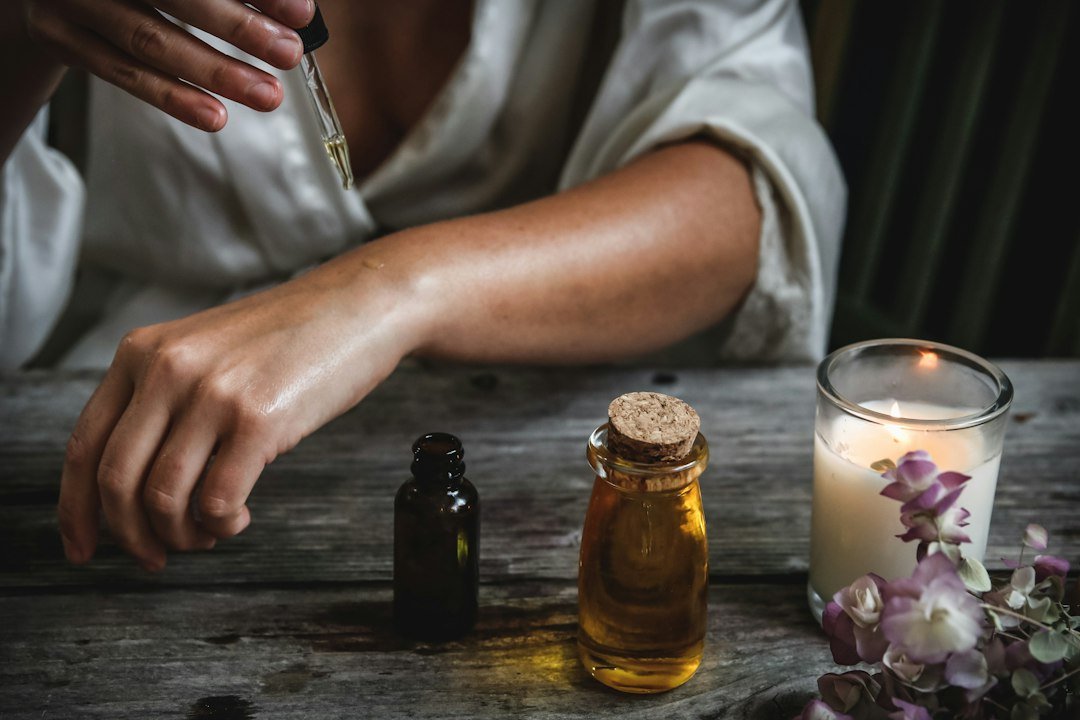
Topical application delivers concentrated aromatics, so always dilute essential oils in carrier oils (jojoba, sweet almond, fractionated coconut oil). Use these safe beginner dilution guidelines:
- 0.5% (1 drop per 10 ml) — children, elderly, frail, and facial blends
- 1% (6 drops per 30 ml) — daily adult full-body use for sensitive skin
- 2% (12 drops per 30 ml) — general adult use for short-term support
- 3–5% — occasional, targeted use (sore muscle rubs), avoid on face or broken skin
Always perform a patch test: dilute the oil to your intended ratio, apply one drop to the inner forearm, cover with a bandage, wait 24 hours. If redness, itching, blistering or irritation occurs, wash it off and do not use that oil.
Simple safe blends to try
Use the dilution guidance above. For a 30 ml roller (2% dilution = 12 drops total):
- Sleep blend: 6 drops lavender + 4 drops cedarwood + 2 drops roman chamomile
- Focus blend: 5 drops peppermint + 4 drops lemon + 3 drops rosemary
- Stress relief (diffuser): 3 drops bergamot + 3 drops lavender + 2 drops frankincense
When not to use certain oils and special populations
Some oils carry specific risks. Avoid these or use extreme caution:
- Pregnancy: avoid large amounts of clary sage, rosemary, fennel, basil, and any oil your healthcare provider discourages.
- Children: do not give undiluted oils; use very low dilutions and consult pediatric guidance—peppermint is not recommended for very young children.
- Pets: many essential oils (tea tree/menta, eucalyptus, citrus, ylang-ylang) can be toxic to cats and dogs; avoid diffusing around sensitive animals and never apply oils to them without veterinary advice.
- Photosensitizing oils: bergamot, lime, lemon, and some citrus oils can increase sun sensitivity—avoid sun exposure for 12–24 hours after topical use.
Practical storage, labeling and shelf life
Store oils in dark amber or cobalt blue glass, tightly closed, away from heat and sunlight. Label homemade blends with the date and dilution so you can track potency—most decisive oils last 1–3 years; citrus oils are shorter-lived (6–12 months) and may oxidize earlier. If an oil smells “off” or thickens, discard it.
Troubleshooting common problems
If a diffuser causes a headache or nausea, stop diffusing and ventilate; reduce drops and run shorter intervals next time. If a diluted topical causes mild irritation, remove the oil with a carrier oil (do not use water) and then wash with mild soap; apply a cold compress. For strong allergic reactions (severe swelling, difficulty breathing), seek emergency care.
Product note: a starter 6–8 oil set (like the top-ranked essential oil set in our catalog) helps you explore core oils without buying single bottles, and it pairs well with a basic ultrasonic diffuser for bedroom or yoga-space use.
Integrating aromatherapy into routines—short, sustainable uses
Start small: diffuse for 15–30 minutes while practicing breathing exercises, add a lavender roller to your bedside table for sleep, or dilute peppermint for a before-work pulse point. Keep use focused so you notice effects and avoid desensitization from constant scent.
- Buy 100% pure single-ingredient oils and a small diffuser.
- Keep a carrier oil and measuring tools on hand.
- Perform a 24-hour patch test for topical use.
- Note household pets, children, pregnancy, or asthma before diffusing.
- Label blends with dilution and date.
- Start with short diffusion intervals (30–60 minutes).
Aromatherapy for beginners is most effective when you combine a small set of quality oils with basic safety habits: dilute correctly, patch-test, limit diffusion duration, and avoid contraindicated oils for vulnerable people and pets. Choose one simple blend and one method to practice this week.
How many drops should I use in a diffuser?
Start with 3–6 total drops for a small room; increase slightly for larger rooms. Run in 30–60 minute intervals and ventilate afterward.
Can I apply essential oils directly to skin?
No—never use undiluted essential oils on skin. Dilute in a carrier oil following recommended dilution ratios and patch-test first.
Which essential oils are best for beginners?
Lavender, sweet orange, peppermint, lemon, and eucalyptus make a versatile starter set for sleep, mood, focus, and clearing congestion.
Are essential oils safe around pets?
Many essential oils can harm pets—avoid diffusing around cats and small pets, and consult a veterinarian before any topical use on animals.
How long do essential oils last?
Storage affects shelf life; most oils keep 1–3 years when in dark glass, cool and sealed. Citrus oils oxidize faster (6–12 months).