 Wishlist
Clear answer: ten low-impact exercises that reliably build strength and balance
If you want stronger legs, a steadier step and a lower risk of falls without jumping or heavy lifting, these 10 low-impact exercises give a practical, safe toolkit. Use them in any order, 2–4 times a week: each targets stability and strength with simple progressions so you can advance without pain.
How to choose and structure these moves for your goals
Start by picking 4–6 exercises that cover three targets: lower-body strength (squats, step-ups), ankle and foot stability (heel-to-toe, calf raises), and core control (bird dog, pilates ball holds). Do 1–3 sets of 8–15 controlled reps, or timed holds (20–60 seconds) for balance work. Rest as needed; the goal is steady form, not speed.
Safety and modifications
Use a stable chair or wall for support when needed. If you have joint pain, reduce range of motion, switch to seated versions, or try resistance bands instead of weights. Stop any exercise that increases sharp joint pain or dizziness; consult a clinician if you have recent fractures, unstable heart conditions, or severe balance disorders.
The 10 low-impact exercises (what to do and how to progress)
-
Chair-supported single-leg stand
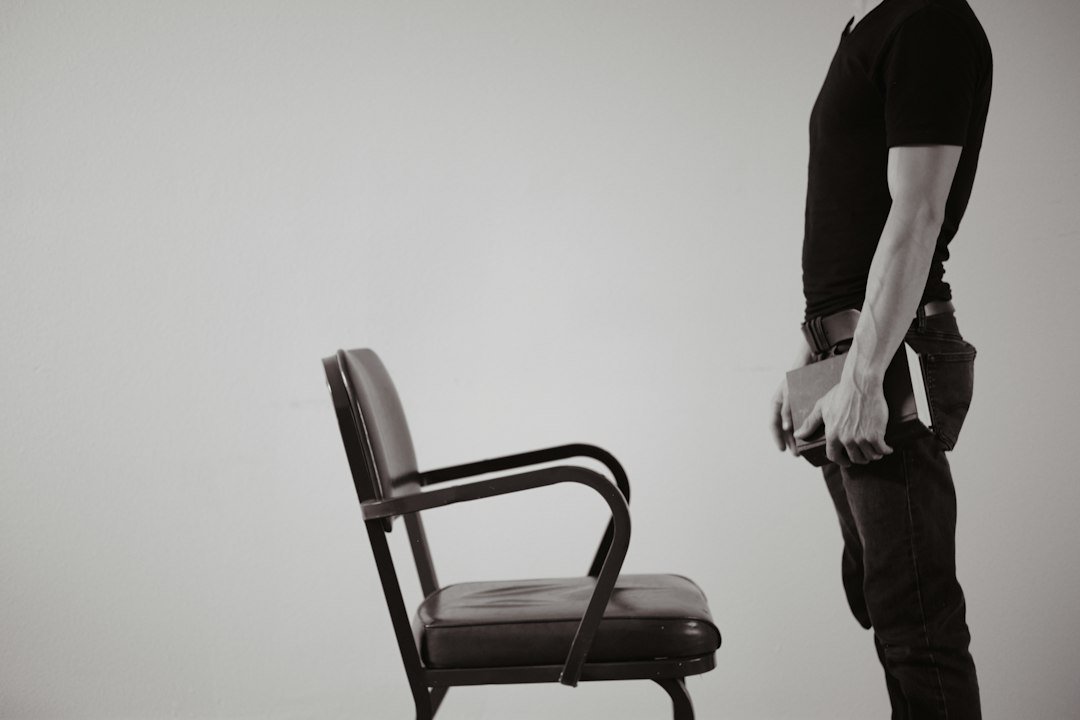
How: Stand beside a chair, lightly hold the back, lift one foot a few inches and hold. Work to 30–60 seconds per leg.
Progression: Reduce hand support, then practice without the chair and finally close your eyes for an extra challenge.
-
Mini-squat to chair
How: Stand with feet hip-width, reach hips back and lower until you lightly touch a chair, then stand. Keep knees aligned over toes.
Progression: Increase depth, add a slow tempo (3-second descent), or hold a light weight at chest level.
-
Step-up (low platform)
How: Step up with one foot onto a low step or stair, then step down with control. Aim for 8–12 reps each leg.
Progression: Increase step height or add a knee lift at the top to challenge single-leg stability.
-
Heel-to-toe (tandem) walk
How: Walk in a straight line placing the heel of one foot directly in front of the toes of the other. Take 10–20 steps forward, turn and return.
Progression: Try on a softer surface (rug or foam pad) or narrow your base further; use a wall for light support if needed.
-
Calf raises on a step
How: Stand with the front of your feet on a step edge, raise heels slowly, then lower below the step level for a full range. Perform 10–15 reps.
Progression: Pause at the top for 3–5 seconds, or do single-leg calf raises for added challenge.
-
Wall or inclined push-up
How: Hands on a wall or a sturdy table, keep a straight line from head to heels and bend elbows to lower chest. 8–15 reps.
Why it helps: Upper-body strength supports balance—getting up from chairs and catching yourself during trips.
-
Resistance band seated row
How: Sit tall on a mat, loop a band around your feet and pull elbows back, squeezing shoulder blades. 10–15 reps.
Progression: Use a heavier band or perform standing single-leg rows to combine strength and balance.
-
Bird dog (opposite arm/leg reach)
How: On hands and knees, extend opposite arm and leg, keeping hips level. Hold 3–5 seconds; repeat 8–12 per side.
Progression: Slow the movement, add small pulses at full extension, or perform from a kneeling split-stance if wrists are painful.
-
Pilates ball core hold (seated or supine)
How: Seated—sit on a small exercise ball and lift one foot slightly; Supine—place the ball between knees and lift hips into a bridge. Hold 20–40 seconds.
Why it helps: Unstable surfaces require fine motor control from deep core and hip stabilizers.
-
Balance board wobble (short sessions)
How: Stand on a wobble or rocker board for 20–60 seconds, focusing on even weight distribution.
Progression: Add light knee bends, or perform upper-body movements while balancing for coordination.
When to add equipment and which to choose
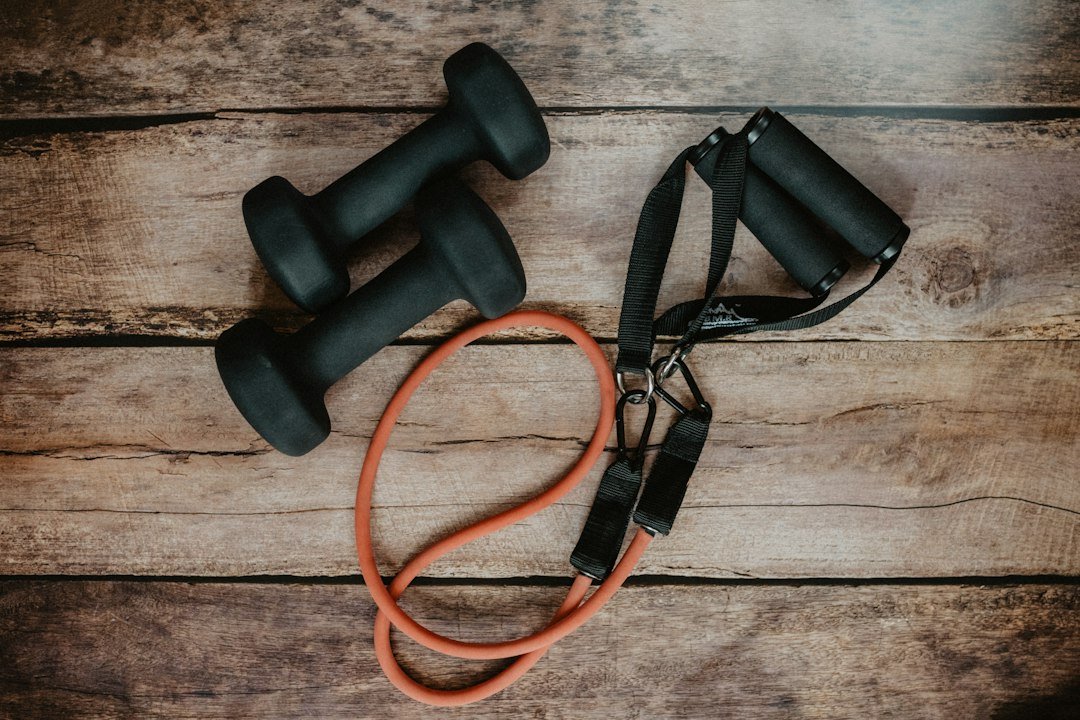
Start with bodyweight and a chair; add a resistance band for gentle strength or a pilates ball for core stability. For balance-specific training, a wobble board is effective—choose a flat wooden wobble board (Rank #1 in our catalog) for a beginner-friendly, stable option that still challenges proprioception.
Simple program examples for different needs
Beginner (low mobility): Chair-supported single-leg stand, mini-squat to chair, wall push-ups, seated resistance band row—2 rounds, 8–12 reps each.
Intermediate (active adult): Step-ups, bird dog, pilates ball bridge, calf raises—3 rounds, 10–15 reps, plus 60-second balance board work after strength sets.
Rehab/return from injury: Follow clinician guidance; prioritize pain-free ranges, shorter holds, and seated or supported versions until cleared for standing progressions.
Tracking progress without numbers that intimidate
Note reliable markers: fewer uses of the chair for balance, steadier gait on uneven surfaces, easier transfers (sit-to-stand), and reduced reliance on handrail. Record one small, repeatable test—a 30-second single-leg stand—and check it monthly.
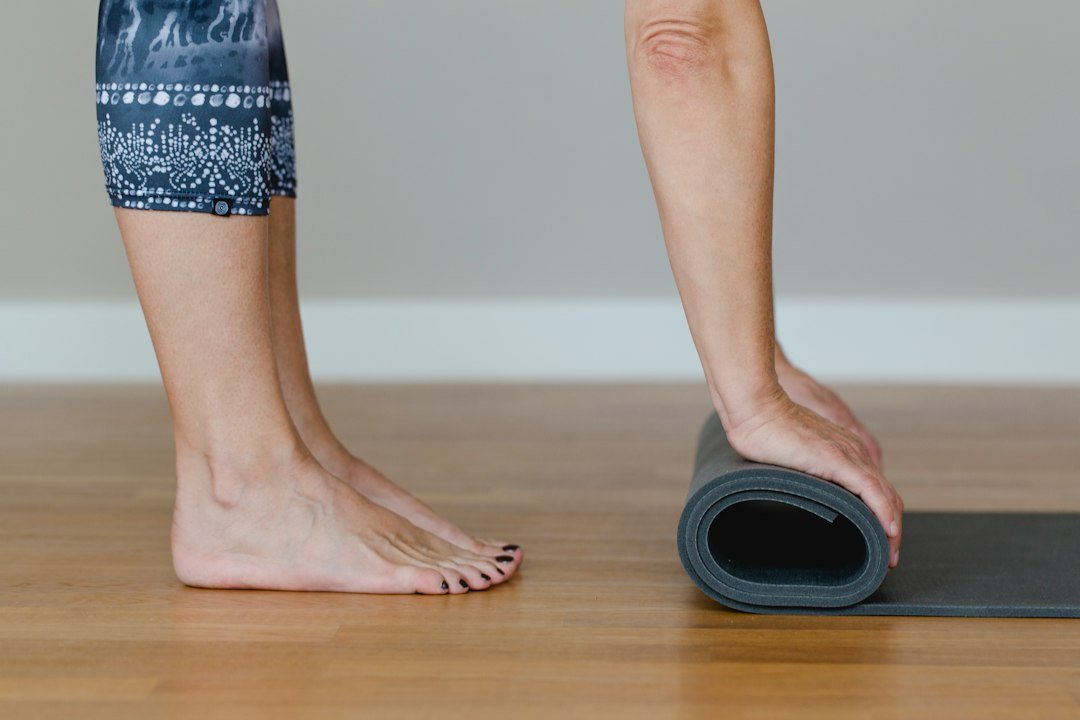
- Clear a safe space with a stable chair and non-slip mat.
- Pick 4–6 exercises covering legs, ankles and core.
- Start with support; aim for controlled movement over more reps.
- Use bands or a small ball before adding higher instability.
- Track one simple balance test monthly (30s single-leg stand).
Low-impact exercises can markedly improve strength and balance when chosen to target legs, ankles and core. Start with supported variations, progress by removing support or increasing instability, and use one small test to measure real-life gains.
How often should I do these low-impact exercises?
Aim for 2–4 sessions per week, mixing strength-focused sets with shorter balance practice; consistency matters more than intensity.
Can these exercises help prevent falls?
Yes—regularly training leg strength, ankle stability and core control reduces fall risk by improving reactive balance and functional movement.
Is equipment necessary to see benefits?
No. Bodyweight and a chair are enough to start; bands, a pilates ball or a wobble board add progressive challenge when you’re ready.
How do I progress safely from seated to standing exercises?
Gradually reduce hand support, increase hold times, and only increase instability after mastering form. If unsure, get a short assessment from a physical therapist.
Which is better for balance: resistance training or balance-specific drills?
Both—resistance training builds the strength needed for stability while balance drills train neuromuscular control; combine them for best results.