 Wishlist
When the living room is also your gym: quick fixes that don’t crowd your home
You clear a corner of the sofa, roll out a mat between the coffee table and the TV, and try to do lunges without knocking over a lamp. That cramped reality is why choosing the right home fitness equipment for small spaces matters: you want gear that fits physically, stores cleanly and actually helps you move better, not just creates clutter.
What to buy first: a compact kit that covers most needs
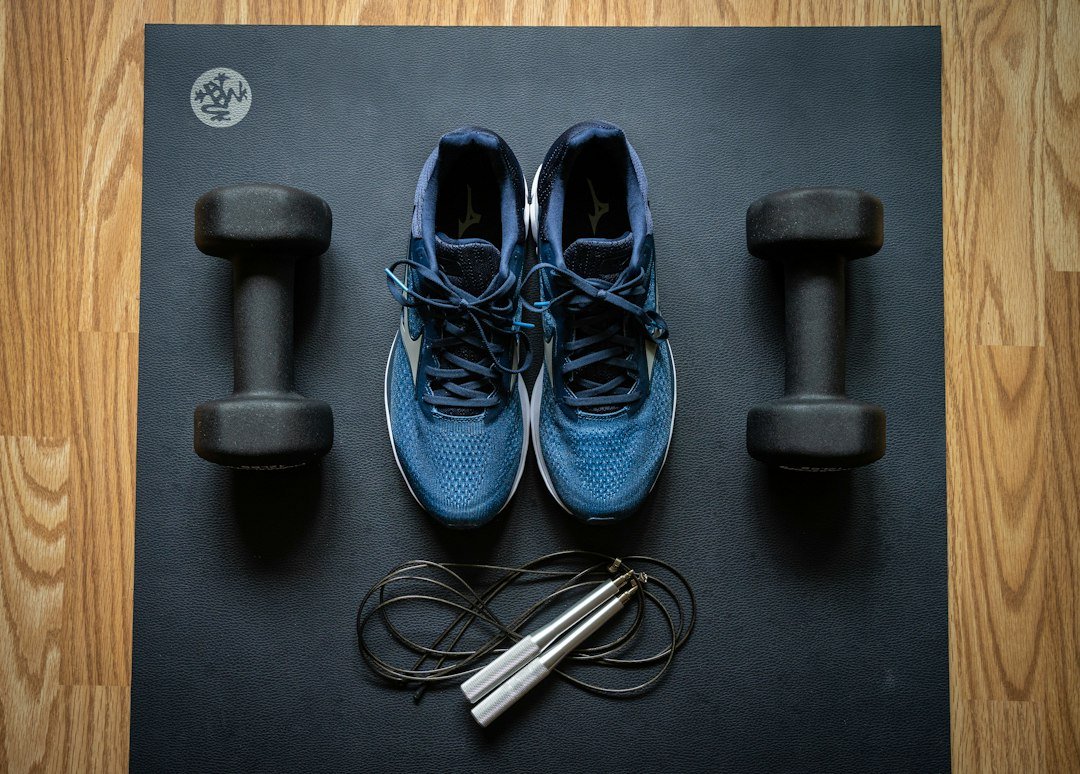
If you can only pick three items, prioritize versatility and storage: a foldable or thin exercise mat, a set of resistance bands with handles, and a compact storage-friendly weight option. These three cover mobility, bodyweight-plus resistance, and strength work while fitting in closets, under beds or behind furniture.
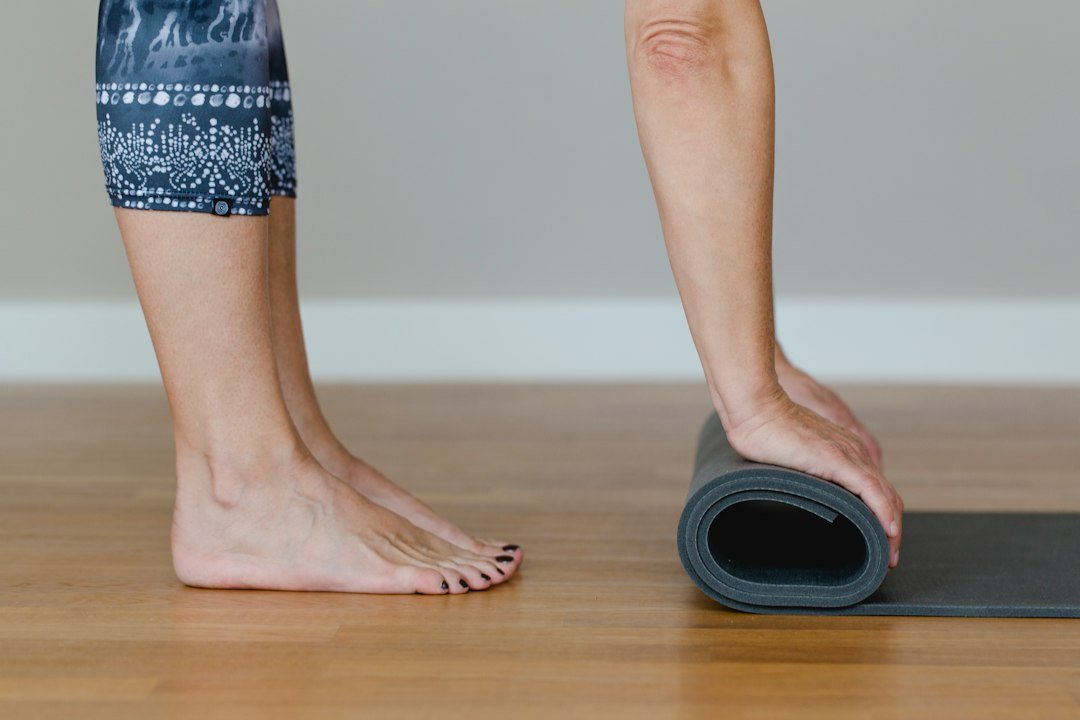
- Exercise mat: pick a thin, high-density mat that rolls or folds. It should be comfortable for floor work but thin enough to slide upright behind a door or under a bed.
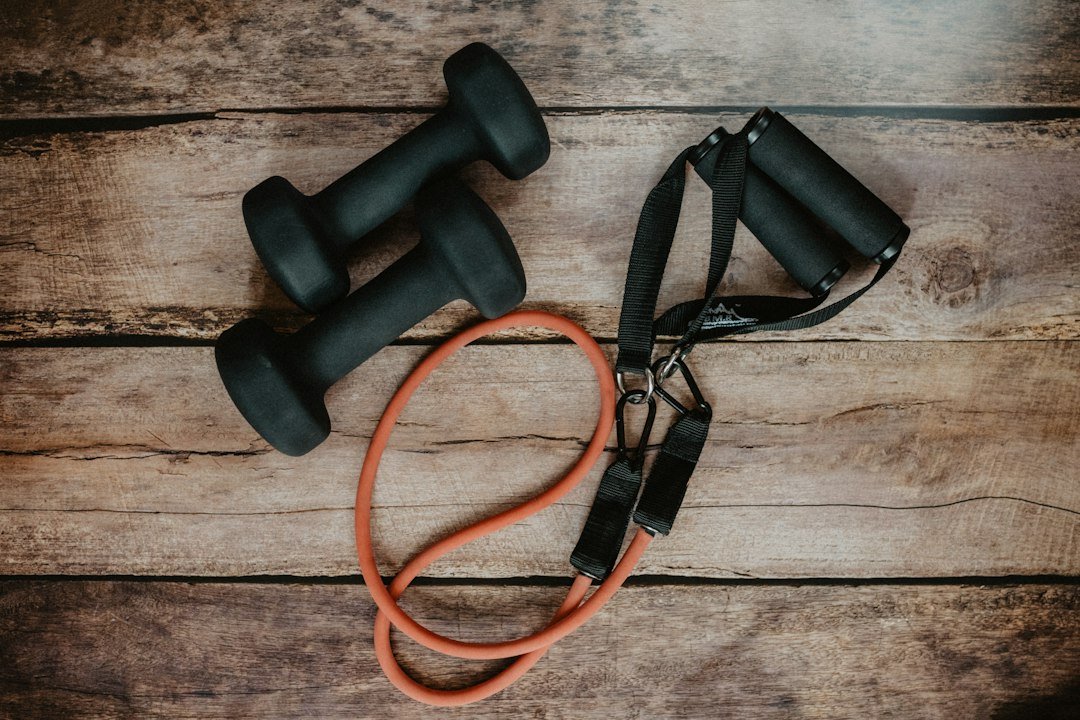
- Resistance bands with handles: they replace multiple dumbbells for upper and lower body work and pack into a small pouch.
- Space-saving weight option: choose between adjustable dumbbells, a heavy kettlebell that you’ll actually use, or a compact pedal-style resistance band system depending on storage and training goals.
How to match gear to your actual routine and space
Before you buy, answer two quick questions: What workouts will you do most weeks? Where will you store the gear? If you plan strength training twice weekly, adjustable dumbbells or a kettlebell may be worth the footprint. If you favor yoga, Pilates or HIIT, prioritize a good mat and resistance bands.
Measure the storage area. A rolled mat is about 6–8 inches in diameter; resistance bands need a 10x10 inch shelf or a hook; adjustable dumbbells require a bit more weight-bearing shelf space. Choosing gear that fits your exact shelf, closet or under-bed gap prevents the common mistake of letting equipment become permanent clutter.
Compact product recommendation
For most small-space users who want one versatile resistance option that’s easy to store and effective for full-body workouts, a well-made resistance band set with handles is the best single purchase. It supports rows, presses, squats, deadlifts and core work without heavy storage needs.
This product fits the typical small-space need: it stores in a drawer or hanging pouch, scales easily with bodyweight and can be anchored to a door or furniture for more exercise variety.
Other smart small-space items worth considering
- Foldable or puzzle-piece foam mat: ideal if you want some floor cushioning but need to remove it quickly. Look for interlocking edges so you can configure only what you need.
- Pilates ring and small stability ball: these take minimal space and add resistance and proprioception to Pilates-style routines.
- Balance board: compact and useful for ankle, knee and core stability; it usually sits upright in a closet.
- Door anchor and suspension trainer: turn a doorway into a multi-angle strength station without permanent installation.
Storage and set-up strategies that keep small spaces liveable
Freeing the floor is as much about habit as equipment choice. Designate a consistent “workout footprint” — a 4–6 foot square where you exercise. Keep a slim bin or hook nearby for bands, a small tray for water and phone, and a vertical sleeve for a rolled mat. When the kit has a home, sessions start faster and you’re less likely to leave gear out.
Think vertically: wall hooks, narrow over-door organizers and furniture with hollow legs (for stashing a foam roller) make use of otherwise wasted space. If you’re renting, avoid drilling by using adhesive hooks rated for the weight and clear them when you move.
When weights are non-negotiable
If heavy lifting is your goal, adjustable dumbbells are the best compromise for small spaces — they offer a range of loads in one footprint. If you choose fixed weights, pick one or two sizes you will use regularly (e.g., a moderate pair for higher-rep work and a heavier kettlebell for swings). Otherwise you’ll end up with unused metal taking up space.
Buying trade-offs and durability checks
Watch product materials: thin, low-density mats save space but wear out faster; pick slightly higher density if you’ll use the mat daily. For bands, inspect attachment points and handles — cheap stitching or brittle rubber increases failure risk. For any product kept near heat (radiator or window ledge), confirm material heat resistance to avoid warping or melt.
Consider multi-use items: a sturdy mat can double as a deadlift platform and a yoga surface; a pilates ring can add resistance to clamshells and bridge work. Avoid novelty gadgets that address one exercise only unless you truly need that function.
Routine examples that require very little equipment
- Full-body circuit (30–35 minutes): warm-up, 3 rounds — 12 band squats, 10 push variations using band or floor, 12 bent-over band rows, 30-second plank, 12 kettlebell swings or band deadlifts.
- Yoga + mobility (20–30 minutes): roll-out mat, 10–15 minutes of flow, 10 minutes of targeted mobility using small ball or strap.
- Strength focus (30–40 minutes): adjustable dumbbell full-body — squat, single-arm row, overhead press, Romanian deadlift, core finisher.
Where to learn routines that match your equipment
If you’re building a habit, connect equipment choices to program guidance. Our guide on building a simple home workout routine pairs well with a small kit; for yoga-centric practice, see our yoga for beginners guide.
Finishing thought
Small-space fitness isn’t about minimalism for its own sake — it’s about choosing tools that support consistent movement without taking over your home. Start with a mat, resistance bands, and one compact weight option; give those items a clear storage home; and build routines that actually use what you own.
- Measure the storage spot before you buy (shelf height, under-bed clearance, door frame).
- Choose a mat that balances thickness and storability for your typical workouts.
- Pick resistance bands with handles and a door anchor for multipurpose use.
- If adding weights, prefer adjustable dumbbells or one kettlebell you’ll use weekly.
- Plan a vertical storage solution (hooks, over-door organizer, narrow shelf).
- Avoid single-use gadgets unless they replace another item you already use.
For small spaces, prioritize versatile, storable items: a foldable mat, resistance bands with handles, and one compact weight option cover most training needs. Give each item a fixed storage place to keep your living area tidy and workouts frequent.
Can resistance bands replace dumbbells?
Yes for many exercises: bands provide progressive resistance and can work most movement patterns, though heavy compound lifts are easier with free weights.
Are balance boards useful in tiny apartments?
Yes — they’re compact, improve stability, and often store vertically; avoid if your floors are fragile or if noise is a concern.
How do I keep gear from becoming clutter?
Assign each item a specific home (hook, bin, shelf), store vertically where possible, and perform a quick five-minute tidy after workouts.
What should I avoid buying for small spaces?
Avoid multiple sets of fixed dumbbells, bulky machines, and single-purpose gadgets you won’t use regularly.