 Wishlist
Create a peaceful meditation space you can actually use every day
Most people assume a “meditation room” needs to be large, quiet, and tastefully minimalist. In practice, the most useful peaceful meditation space is small, consistent, and set up around how you meditate—chair or floor, five minutes or forty. This article shows how to reach that practical end result, then walks through choosing the spot, seating, lighting, sound, scent and storage so your space invites practice rather than becoming another unfinished project.
Choose and prepare the spot: make it available and obvious
Start with availability. Pick a place you can access daily for the length of your usual session. That might be a bedroom corner, the edge of a living room, or even a balcony. The key is visible and unambiguous: when you enter the room your meditation space should be obvious so you don’t have to decide in the moment.
- Measure a 3x3 foot minimum floor patch for cushion-first seating; a 2x2 foot patch works for a kneeler or small floor chair.
- Avoid heavy traffic zones where people pass through repeatedly, unless you can schedule quiet windows.
- If you have pets or small children, consider a low divider or a hanging bead curtain to signal “occupied.”
Pick seating that supports your body and practice
Your seating determines whether you’ll return. Decide between floor-based support, a low chair, or an upright chair based on flexibility and session length.
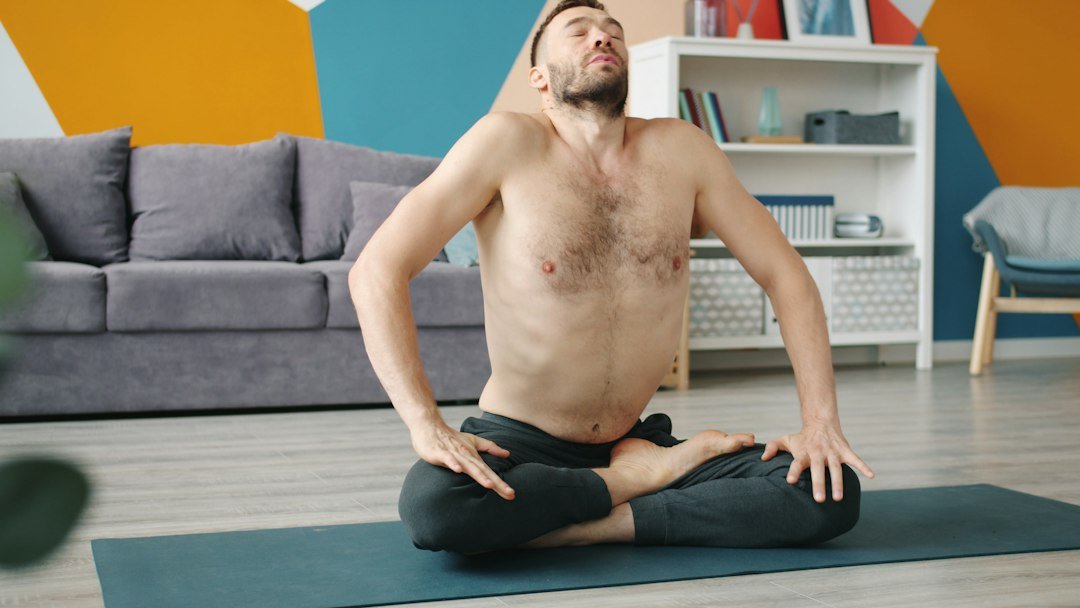
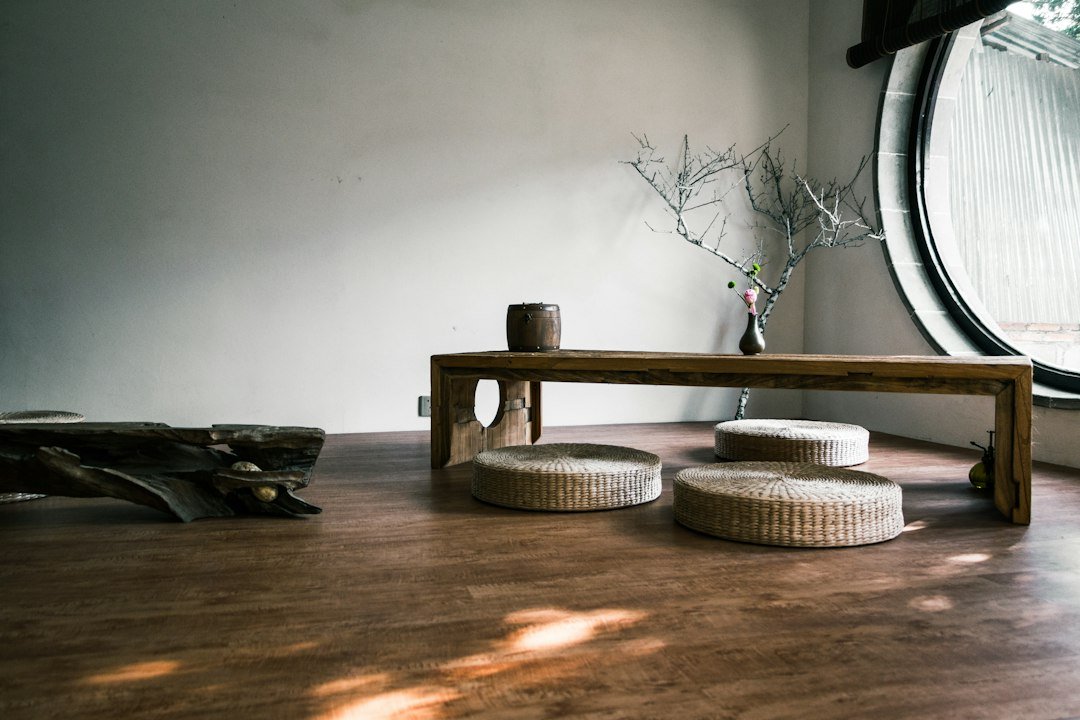
- Floor cushions and bolsters: best for cross-legged or kneeling practice; add a folded blanket under the sit-bones to raise hips and reduce knee strain.
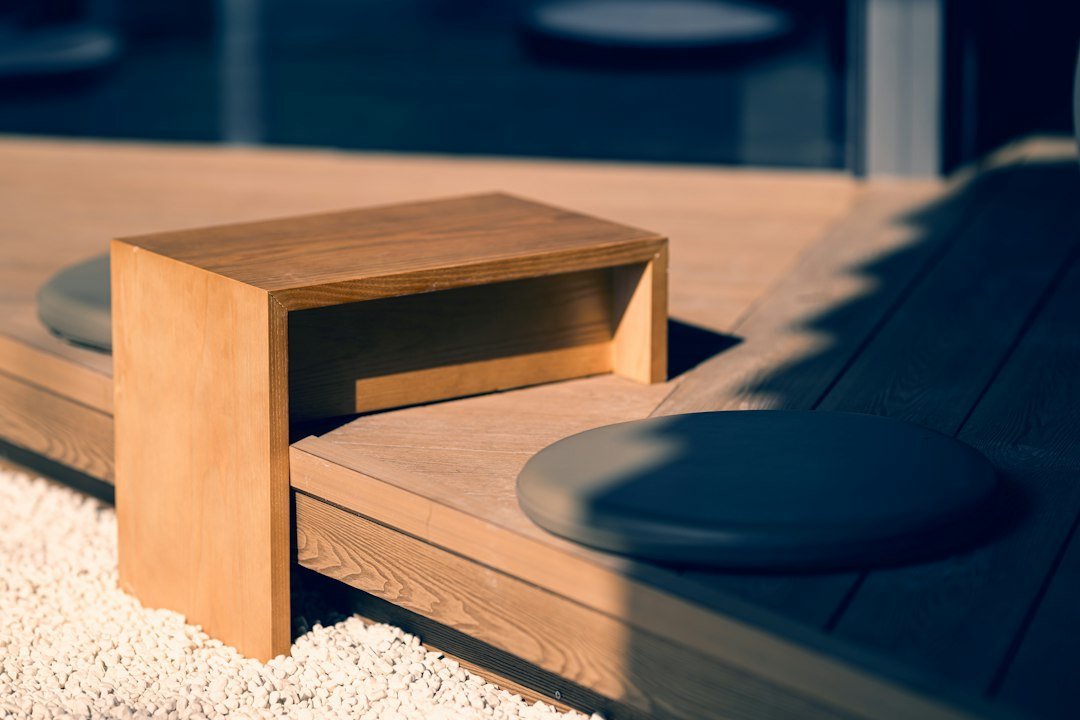
- Meditation benches and kneelers: helpful if knees or hips are sensitive. A foldable wooden prayer kneeler is compact and ergonomic for short or long sits.
- Adjustable floor chairs: give back support while keeping you grounded; good for longer, more focused sessions.
- Regular chairs: fine for guided or breathwork sessions—ensure feet rest flat on the floor and use a lumbar pillow if needed.
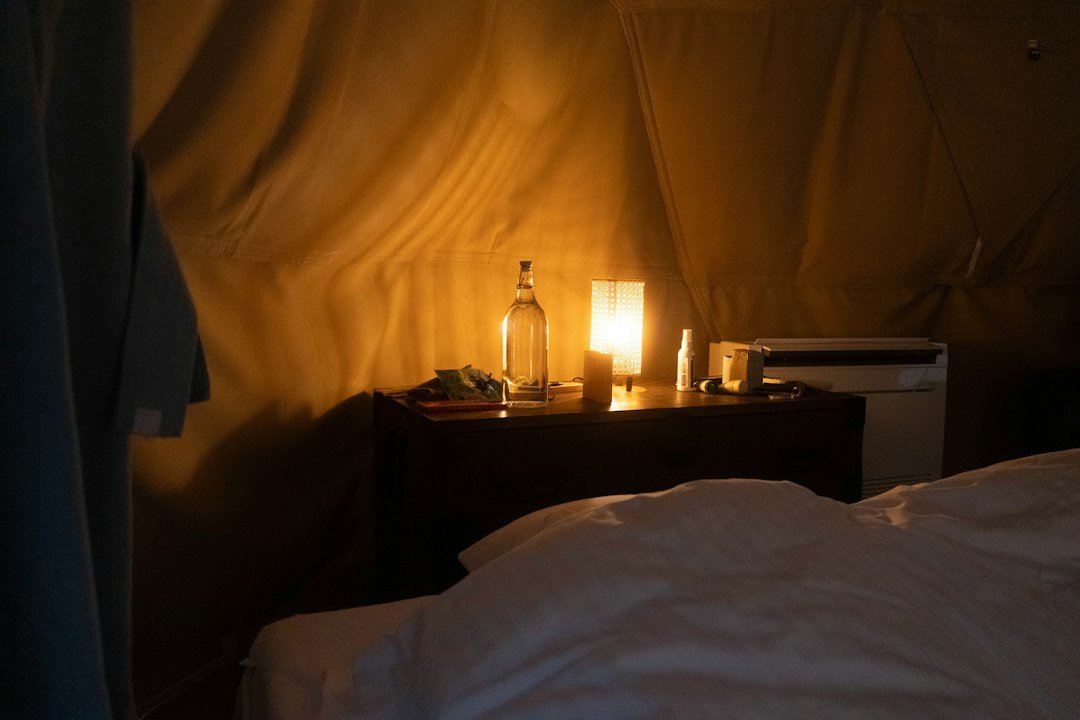
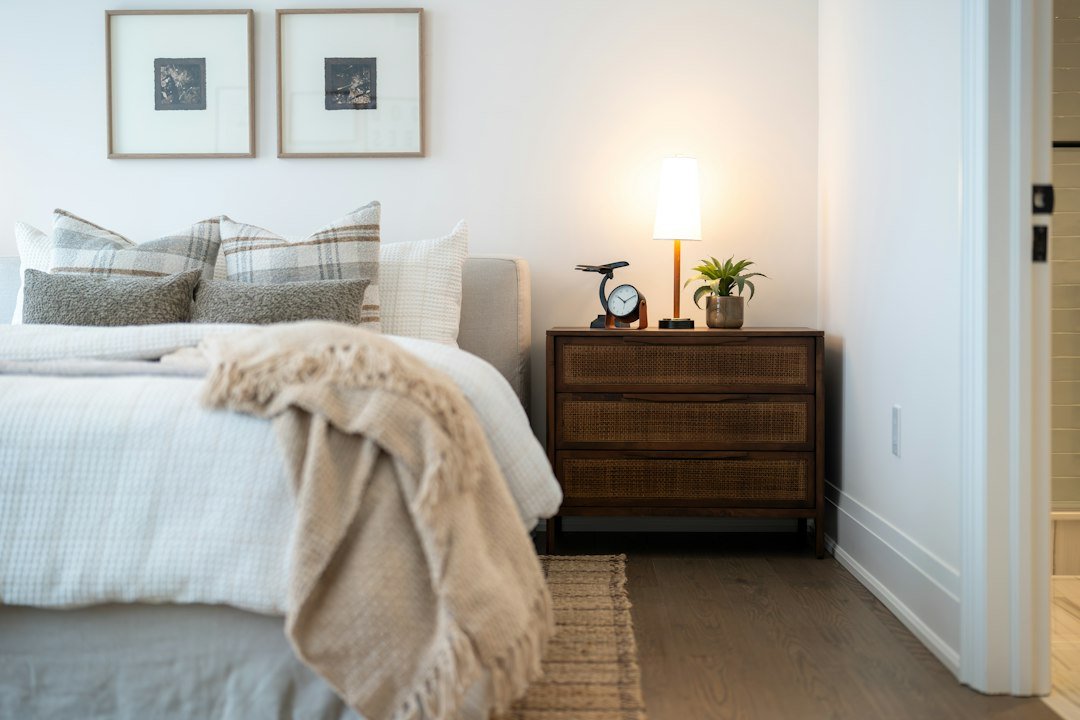
Soft, directional lighting helps your eyes relax and lowers cognitive load. Natural light is ideal during the day; at night, use dimmable lamps, salt lamps, or warm LED string lights.
- Position seating so you aren’t staring into bright windows or harsh overhead lights.
- Keep surfaces uncluttered—one focal object (a small plant, candle, or meaningful item) is enough.
- If you’re sensitive to visual distraction, a neutral wall behind you or a simple fabric backdrop can help.
Sound and atmosphere: shape what you hear
Sound sets the feel of the space. You don’t need perfect silence; you need reliable, controllable audio. Decide whether you prefer silence, soft ambient sound, or guided tracks.
- Use a small Bluetooth speaker with a low-volume ambient playlist or nature sounds to create a consistent acoustic envelope.
- For urban noise, add soft textiles—rugs, cushions, curtains—to absorb sound; a door sweep or draft stopper reduces street noise.
- If noise is unpredictable, a white-noise machine or fan can mask interruptions and make silence easier to keep.
Scent and tactile cues: ritualize without overwhelming
Scent can trigger focus, but strong fragrances divert attention. Choose a subtle scent routine: a drop of lavender on an eye pillow, a short incense stick, or a few minutes with an essential oil diffuser before you sit.
- Rotate scents to avoid olfactory adaptation; use the same scent when you want an immediate “entering meditation” cue.
- Include a soft eye pillow or lightweight blanket to signal rest and support relaxation—these tactile items are often more reliable than scent alone.
Storage and maintenance: keep the space ready
A meditation space that looks neglected won’t attract you. Plan simple storage so cushions, mats, and props are within reach but tidy.
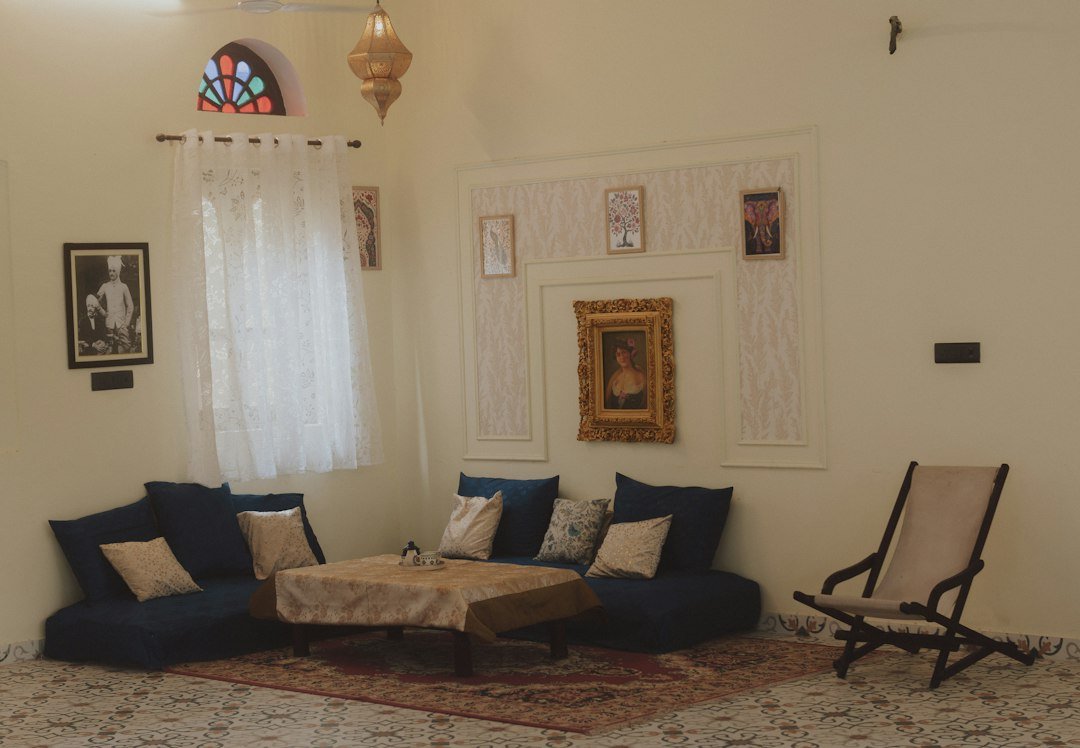
- Use a low basket or shelf for cushions and eye pillows. For small spaces, vertical storage or a slim bench with under-seat storage works well.
- Wipe surfaces weekly, launder textiles monthly, and rotate props seasonally—clean, fresh items make a surprising difference.
In a studio or small apartment, make the spot multipurpose: a folded blanket and a stackable floor chair can live beside your bed and slide out for practice. Consider a slim meditation altar on a floating shelf instead of a table.
Troubleshooting common problems
- “I’m uncomfortable after five minutes” — Raise your hips with a firmer cushion or switch to a bench or chair; sitting supported is more sustainable than forcing posture.
- “I get distracted by family noise” — Use a short pre-meditation routine (three deep breaths and closing your eyes) or a white-noise device to create an acoustic boundary.
- “It feels cluttered” — Remove non-essential items; keep one meaningful object and tuck the rest away in a basket or drawer.
When to change the setup
Adjust the space when your practice length changes, your body changes, or the room’s function shifts. Small, deliberate updates—like a different cushion density or moving the spot to a sunnier corner—keep the space aligned with your needs.
Recommended product for comfort and small spaces
If you want a compact, comfortable option that folds away and supports kneeling posture, consider the foldable wooden prayer kneeler. It’s sturdy, stores easily, and helps if knees or hips prefer a tilted posture. Use it for short sits and longer sessions alike.
Make it a habit: cues and scheduling
Pair the space with a simple cue—same time of day, same light setting, or a brief two-minute breathing warm-up. When the environment reliably signals practice, the mental resistance to starting drops dramatically.
- Choose a visible, low-traffic corner and measure a 2–3 ft space.
- Select seating that matches your body: cushion, bench, floor chair, or regular chair.
- Set soft, dimmable lighting and one visual focal point.
- Control sound with soft textiles or a masking device.
- Add one subtle scent cue and a tactile eye pillow or blanket.
- Provide easy storage so props are accessible and tidy.
A peaceful meditation space doesn’t require perfection—only accessibility and consistency. Prioritize a supportive seat, predictable light and sound, and a small storage plan so the space is always ready and welcoming.
How much space do I really need?
A compact corner of about 2–3 square feet is adequate for most seating options; benches and foldable chairs can fit even smaller footprints.
Can I meditate in my bedroom?
Yes—bedrooms are fine if you can create a distinct corner and minimize sleep-related associations that pull attention away.
What if I don’t like silence?
Use low-volume ambient music, guided meditations, or nature sounds; consistency matters more than silence itself.
Are incense and essential oils necessary?
No. They can help with ritualizing practice but aren’t required; a tactile cue like an eye pillow can be equally effective.
How do I keep kids or pets from interrupting?
Set a short visible barrier, communicate a brief scheduled quiet time, or meditate during predictable quiet windows like early morning.