 Wishlist

What actually matters when you want to start meditating — and what you can ignore
If your goal is simply to start meditating, focus on two things: doing short, consistent sessions and having a simple cue that tells your brain “now is meditation time.” Ignore perfection: you don’t need a special room, long sessions, mystical states, or expensive gear. Small, repeatable practices—five to fifteen minutes—are the fastest path to reliable benefits.
End result: a five-minute daily practice you can repeat
The target outcome is concrete and small: be able to sit (or lie) for five minutes, follow your breath or a guided voice, and come back from distraction without judgment. That single habit is what grows into longer sessions, clearer focus, and a calmer baseline mood.
Choose a realistic daily format
Pick one of these simple formats based on your temperament and schedule:
- Breath awareness: sit and count or follow the inhale/exhale.
- Guided recording: follow a short guided meditation (apps, podcasts or recordings).
- Body scan: move attention through the body slowly, top to bottom.
- Walking meditation: slow, mindful steps for 5–10 minutes if sitting feels hard.
Choose one and stick with it for at least two weeks before switching. For beginners, guided recordings reduce decision fatigue and increase adherence.
Set up the simplest practice space and anchor
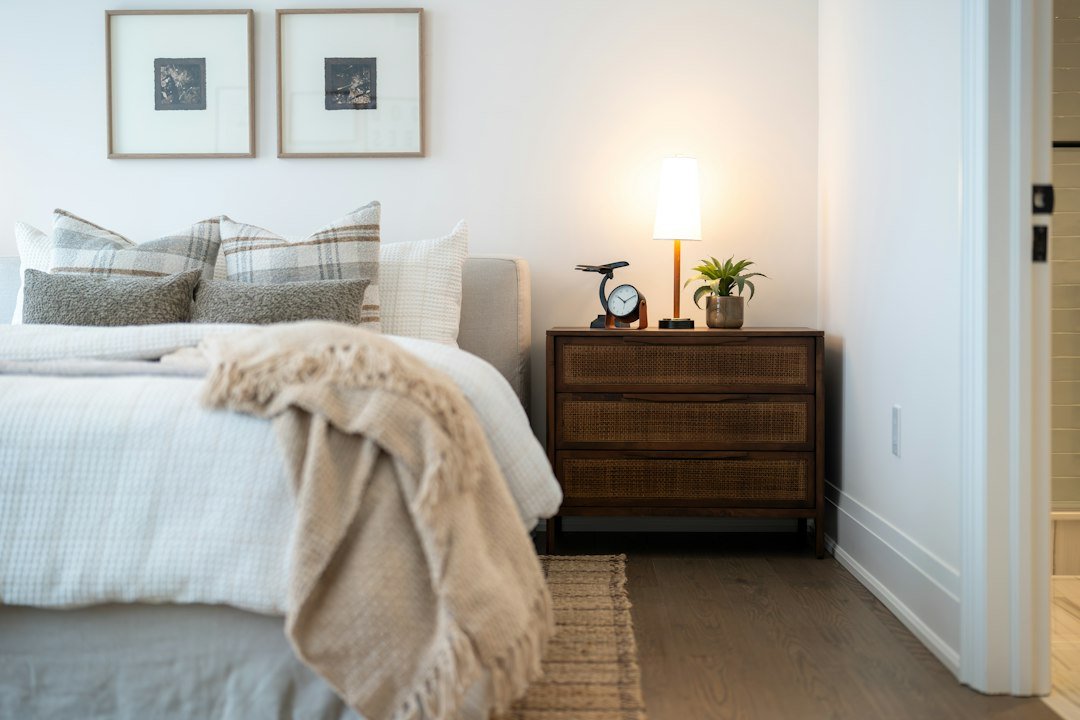
All you need is a quiet corner, a cushion or chair, and a timer. A consistent cue increases the chance you'll sit: the same time each day (morning or evening), a ritual (lighting a candle, making tea), or placing your cushion where you see it.

How to sit so your body won’t be the main distraction
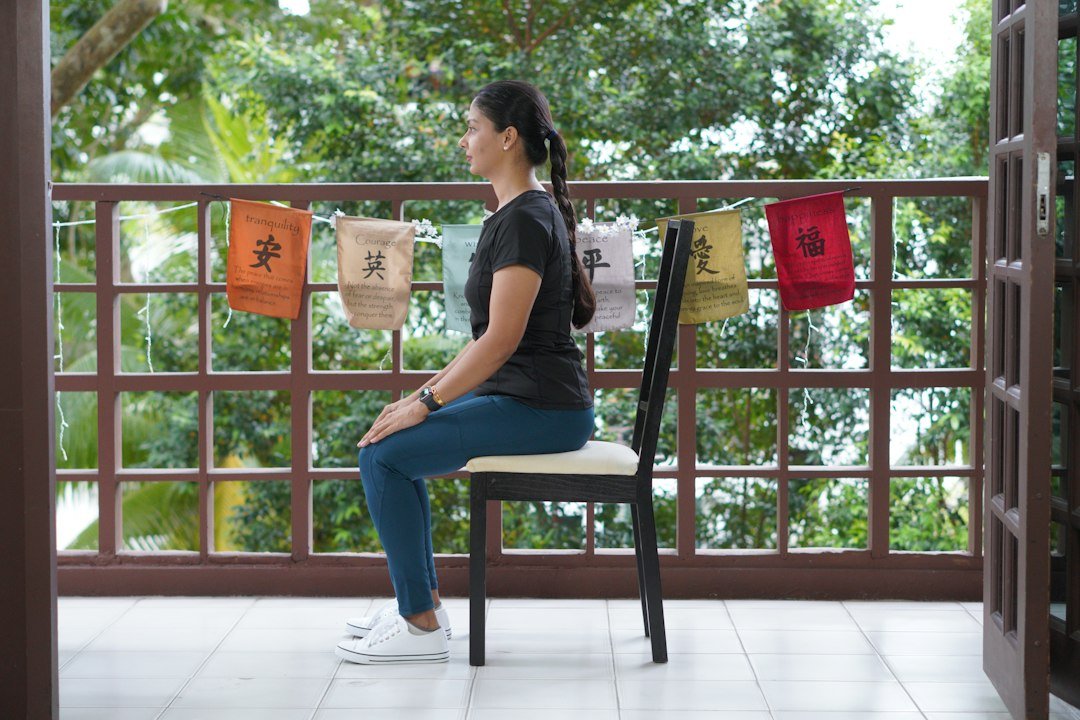
Comfort beats form. Sit on a cushion, folded blanket, or chair with feet flat. Keep a straight spine by tilting the pelvis slightly forward; imagine a string pulling the crown of your head up. Hands can rest on thighs, palms down or in a simple mudra. If sitting is painful, lie on your back with knees supported or practice walking meditation.
Minute-by-minute guided sequence for a five-minute session
- Set a gentle timer for five minutes. Decide whether you'll follow breath or audio.
- Close eyes or soften gaze. Take three intentional breaths to arrive.
- Focus on the breath at the nostrils, chest, or belly—pick one spot and keep it.
- When attention wanders, label briefly (“thinking,” “planning”) and return to the breath—no scolding.
- At the timer, notice how you feel and stretch before standing to end the practice.
Tools and props that actually help beginners
A cushion or low meditation stool raises the hips and reduces lower-back strain—use whatever is highest-rated in your store if you want a quick match to your needs. A simple eye pillow can block light and encourage relaxation for body-scan practices. Guided meditations or a minimal timer app are arguably the most valuable aids because they help you focus until habit forms.
How to make it stick: scheduling and habit cues
Commit to a specific trigger: after brushing your teeth, before breakfast, or right after work. Use the “two-minute start” rule on hard days—sit for two minutes instead of five; you’ll often continue. Track sessions in a simple calendar or app to create visible momentum.
Troubleshooting common beginner problems
- “My mind races.” That’s expected. Return attention gently; the act of returning is the practice.
- “I fall asleep.” Try sitting taller, practicing earlier in the day, or switching to walking meditation.
- “I forget.” Anchor to an existing habit and place your cushion somewhere visible.
- “It feels pointless.” Keep a short practice log: mood before and after. Small changes are often clearer on paper.
How to progress after the first month
After two to four weeks of consistent five-minute sessions, pick one upgrade: extend to ten minutes, swap to unguided practice, add a weekly 20–30 minute session, or explore different styles (metta, mantra, or zazen). Increase slowly—habit maintenance is the priority, not rapid escalation.
When to modify practice or seek guidance
If meditation brings up intense emotions or past trauma, stop the practice and consult a mental health professional experienced with mindfulness-based interventions. For physical pain, adjust posture or use props; a chair practice is a valid long-term option.

- Choose one simple format (breath, guided, body scan, or walking).
- Set a visible cue and anchor to a daily routine.
- Create a five-minute session template you can repeat.
- Use a cushion or chair to protect your back.
- Track sessions for two weeks before changing format.
- Scale time up gradually only after consistency.
Start meditating by committing to a short, repeatable practice and a reliable cue. Focus less on how perfectly you do it and more on showing up; the habit of returning to the breath is the real skill.
How long should I meditate as a beginner?
Begin with five minutes daily; increase to ten or twenty minutes only after you’ve kept the habit for several weeks.
Do I need to sit cross-legged?
No. Sit on a chair with feet flat or lie down if necessary—comfort and alertness matter more than posture style.
Should I use an app or guided recording?
Guided meditations are very helpful for beginners because they remove decisions and keep you focused; switch to unguided slowly.
What if I can’t stop thinking?
Label thoughts briefly and return attention. The frequency of returning is the practice; thinking itself is normal.
How do I handle strong emotions during meditation?
Pause the practice if you feel overwhelmed and seek support from a therapist or a teacher experienced in trauma-informed mindfulness.