
 Wishlist
Start here: which question are you trying to answer?
If your goal is to improve digestion, reduce occasional bloating, or support immune health, the most practical first question is whether you need live microbes (probiotics) or the food that feeds microbes (prebiotics). The short answer: probiotics introduce beneficial live strains; prebiotics feed the microbes already living in your gut. Which you choose depends on symptoms, timing, and whether you prefer food-based changes or targeted supplements.
Decision criteria that matter
Make the choice using these four lenses:
- Effect you want now: short-term symptom relief vs long-term microbiome support.
- Evidence for the condition: some strains help specific issues; fiber broadly helps diversity and regularity.
- Convenience and tolerance: pills vs foods and potential side effects (gas, bloating, rare infections).
- Complementarity: can you realistically use both as a synbiotic strategy?
What probiotics do (and when they help)
Probiotics are live microorganisms—commonly Lactobacillus, Bifidobacterium, Saccharomyces boulardii—that temporarily take up residence in the gut and interact with host processes. They’re useful when you want a targeted, measurable effect:
- Antibiotic-associated diarrhea: certain probiotic strains reduce incidence and duration.
- Irritable bowel syndrome (IBS): specific multi-strain formulas can reduce bloating and frequency for some people.
- Traveler’s diarrhea and acute infectious diarrhea: particular strains lower risk or shorten illness.
Probiotics vary by strain, dose (CFUs), and formulation. They often provide results faster than dietary shifts but require consistent dosing and strain-appropriate selection.
Practical trade-offs for probiotics
- Pros: targeted, evidence-backed for some conditions, quick onset for certain problems.
- Cons: effects are often transient (stop the supplement and benefit may wane), strain-specific benefits, costs, and occasional side effects like increased gas.
What prebiotics do (and when they help)
Prebiotics are nondigestible fibers and compounds—like inulin, fructooligosaccharides (FOS), resistant starch—that reach the colon and feed beneficial microbes. They support diversity, short-chain fatty acid production (like butyrate), and regularity. Choose prebiotics when your aim is longer-term microbiome resilience, improved bowel regularity, and metabolic benefits.
Practical trade-offs for prebiotics
- Pros: often available as food (onions, garlic, bananas, leeks, whole grains), inexpensive, support broad microbial diversity and gut barrier health.
- Cons: can increase gas or bloating especially if introduced too quickly; effects take longer to appear than probiotic supplements.
When to use both: the synbiotic approach
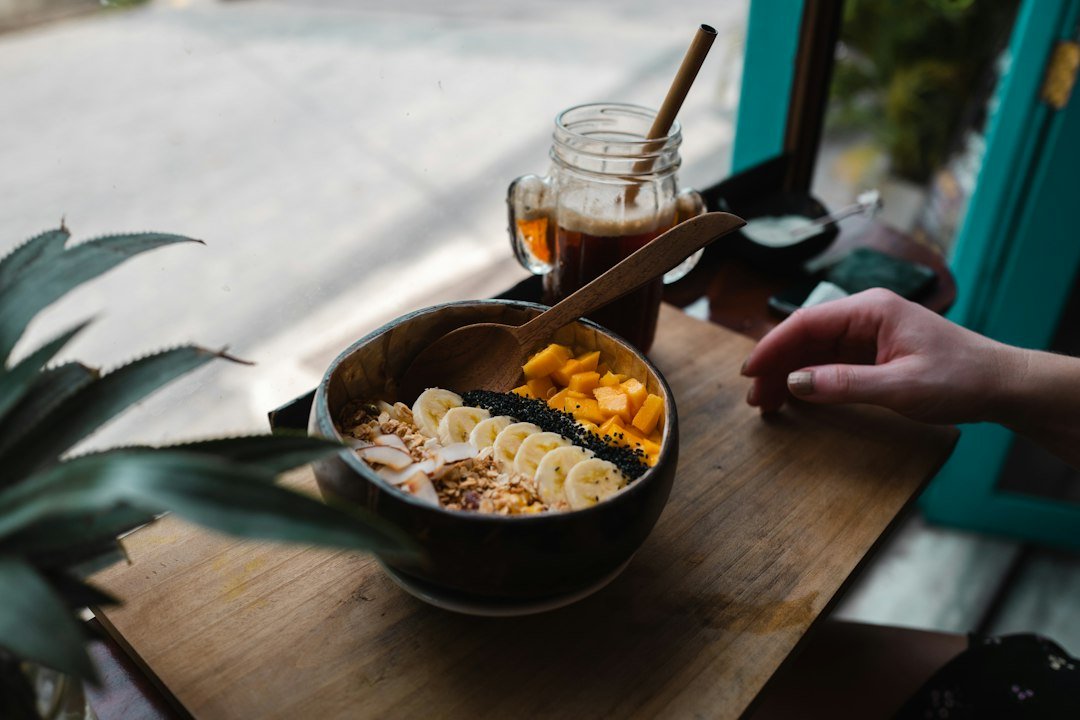
Many people get the best results combining probiotics and prebiotics (a synbiotic strategy). A probiotic seed plus prebiotic feed can help introduced strains establish and support native microbes. This is especially useful after a course of antibiotics or during periods of dietary change.
How to pick a supplement (not all products are equal)
Match the product to your decision criteria:
- If you want broad, daily support and convenience: consider a full-spectrum synbiotic or multi-strain probiotic with an included prebiotic.
- If you need a clinical effect (e.g., antibiotic-associated diarrhea): choose a product with trials for that indication and a clear strain list and CFU count.
- If you are sensitive to bloating: start with low-dose prebiotics and gradually increase; select probiotic strains known for tolerance (some Lactobacillus and Bifidobacterium strains).
Product labeling tips: look for strain names (not just species), CFU at time of expiration if possible, storage instructions, and third-party testing if available.
Why this product fits: the Rank #1 supplement on the site is a combined formula that includes probiotic strains plus prebiotic components and fiber—useful for readers seeking a single daily support product that addresses both immediate and long-term needs.
Food-first options most readers can try immediately
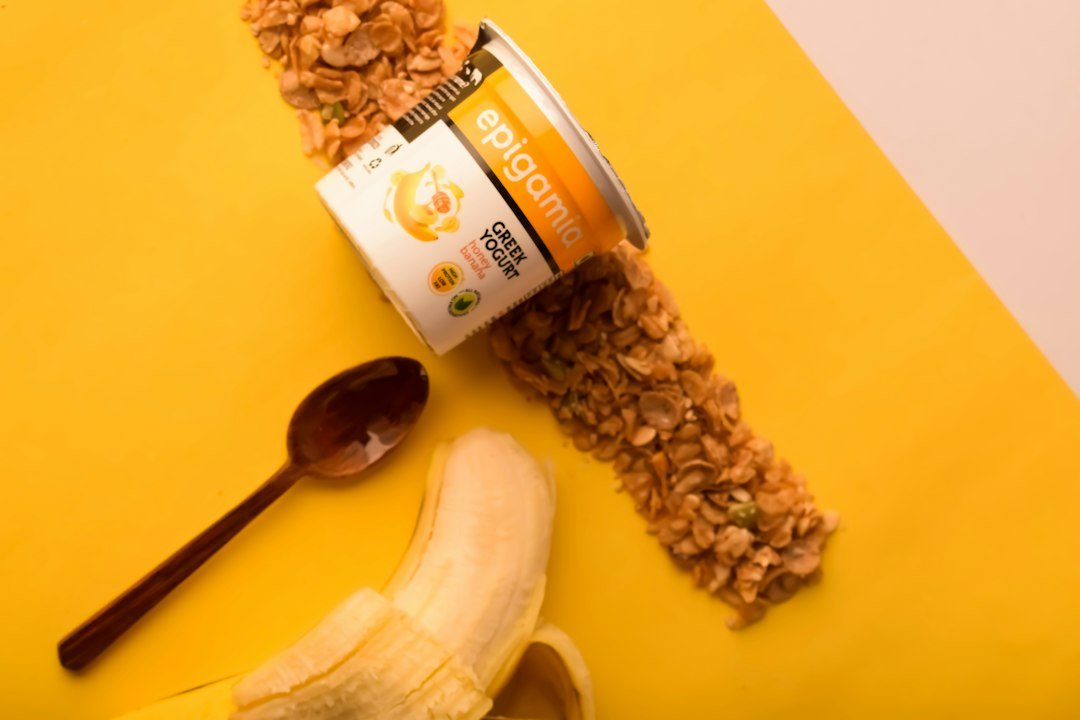
Simple swaps deliver prebiotics easily: add a banana to breakfast, use leeks or garlic in cooking, choose whole grains and legumes, and include fermented foods like yogurt, kefir, kimchi or sauerkraut to add live cultures. For many people, these changes improve regularity and digestion without supplements.

Who should avoid or consult a clinician
Live supplements are generally safe for healthy adults, but consult a clinician if you have:
- Severe immune suppression or recent major surgery (risk of bloodstream infection from live microbes is low but real).
- Complex medical conditions or frequent hospitalization.
Also check with a provider before giving probiotic supplements to infants or if you’re pregnant and considering therapeutic doses beyond food sources.
Cost and convenience—practical comparisons
- Foods: low cost, multi-nutrient, best for long-term diversity but slower to change symptoms.
- Probiotic supplements: higher cost, targeted dosing, faster effects for specific problems; choose refrigerated vs shelf-stable based on product instructions.
- Synbiotics: mid-to-higher cost but simplify a two-part strategy into one product.
Simple protocols to try
- Everyday maintenance: add fermented yogurt twice weekly + daily prebiotic foods (banana, oats, onions).
- After antibiotics: take a researched probiotic starting during and for 1–2 weeks after the course; add daily prebiotic foods and consider a synbiotic for 4–8 weeks.
- Bloating-prone people: introduce prebiotics very slowly (1–2 grams extra fiber every few days) and monitor tolerance; try single-strain probiotics to see if symptoms change.
- Define your goal: symptom relief now or long-term diversity?
- Check product labels for strain specificity and CFU counts.
- Start prebiotics slowly to reduce gas and bloating.
- After antibiotics, prioritize a probiotic with evidence for preventing diarrhea.
- Choose food sources first if you prefer whole-food solutions.
If you need targeted, relatively fast relief (post-antibiotic diarrhea, traveler’s diarrhea, some IBS cases), a probiotic supplement can help. If your goal is sustained gut diversity, regularity and metabolic support, prioritize prebiotic-rich foods and consider a synbiotic product to combine both advantages.
Is it safe to take probiotics every day?
For most healthy adults, daily probiotics are safe; choose a reputable product and stop if you have persistent adverse effects. Discuss long-term use with a clinician if you have significant medical conditions.
Can prebiotics cause bloating?
Yes—especially when increased rapidly. Start with small amounts and increase slowly over 2–4 weeks to improve tolerance.
Do fermented foods count as probiotics?
Some fermented foods (yogurt, kefir, certain unpasteurized sauerkraut) contain live cultures and act like mild probiotics, while others are heat-treated or pasteurized and may not.
What is a synbiotic and when should I use one?
A synbiotic pairs probiotics with prebiotics in one product; it’s useful when you want both immediate strain support and nourishment to help those strains persist.
Which is better for weight or metabolic health—probiotics or prebiotics?
Evidence is stronger for dietary fiber and prebiotics improving metabolic markers via short-chain fatty acids; probiotics show mixed results and are strain-dependent.