 Wishlist

Start with the result you want: steady energy, reliable recovery, and sustainable performance
If you exercise regularly or have an active job, a balanced diet for an active lifestyle means eating in a way that keeps energy steady through the day, supplies the building blocks for muscle repair, and supports overall health without constant calorie counting. Below is a practical sequence: estimate needs, set macro targets, build simple meals, time intake around training, and troubleshoot common stalls.
1. Estimate daily energy needs quickly and use it as a baseline
Active people vary widely in calorie needs. A simple starting point: multiply your body weight in pounds by an activity multiplier.
- Sedentary to light activity: weight × 12–14 kcal
- Moderate regular activity (3–5 workouts/wk): weight × 15–17 kcal
- High activity (daily training or physically demanding job): weight × 18–20+ kcal
Example: a 150 lb person training 4 times/week uses roughly 150 × 16 = 2,400 kcal/day. Use this as a starting target and adjust after two weeks based on energy, performance and weight trends.
2. Set macro ranges that match training goals
Focus on three roles: protein for repair, carbohydrate for fuel, and fat for hormones and satiety.
- Protein: 0.6–0.9 g per lb body weight (1.3–2.0 g/kg). Lean toward the higher end when strength training or cutting calories.
- Carbohydrates: 2–5 g per kg depending on intensity. Low-week training or light activity → 2–3 g/kg. Intense training or endurance work → 4–6+ g/kg.
- Fat: fill the remaining calories with healthy fats, typically 20–35% of total calories. Prioritize unsaturated fats (olive oil, nuts, avocado) and include some omega-3 sources (fatty fish, flaxseed).
Practical calculation: after fixing protein grams, subtract protein calories (protein×4) and decide carb grams from activity level (carb×4). Remaining calories / 9 = fat grams.
3. Build each meal around a simple plate model
Make meals predictable so you can assemble them without thinking: one protein, one starchy carb or whole grain, two fist-sized portions of vegetables, and a thumb-sized fat serving.
- Protein (palm-sized): chicken, fish, tofu, tempeh, eggs, Greek yogurt.
- Carb (fist-sized): brown rice, quinoa, oats, potatoes, whole-grain bread.
- Veg (two fists): spinach, broccoli, peppers, salad greens — aim for color and volume.
- Fat (thumb): olive oil, nut butter, cheese, olives, seeds.
Example plate: grilled salmon (protein), 1 cup cooked quinoa (carb), large mixed salad (veggies) with olive oil vinaigrette (fat).
4. Time meals around activity for best performance and recovery
Meal timing doesn’t need to be rigid, but these windows reliably help:
- 1–3 hours before exercise: a balanced meal with carbs and moderate protein (e.g., rice bowl with chicken). Avoid large high-fat meals immediately before intense workouts.
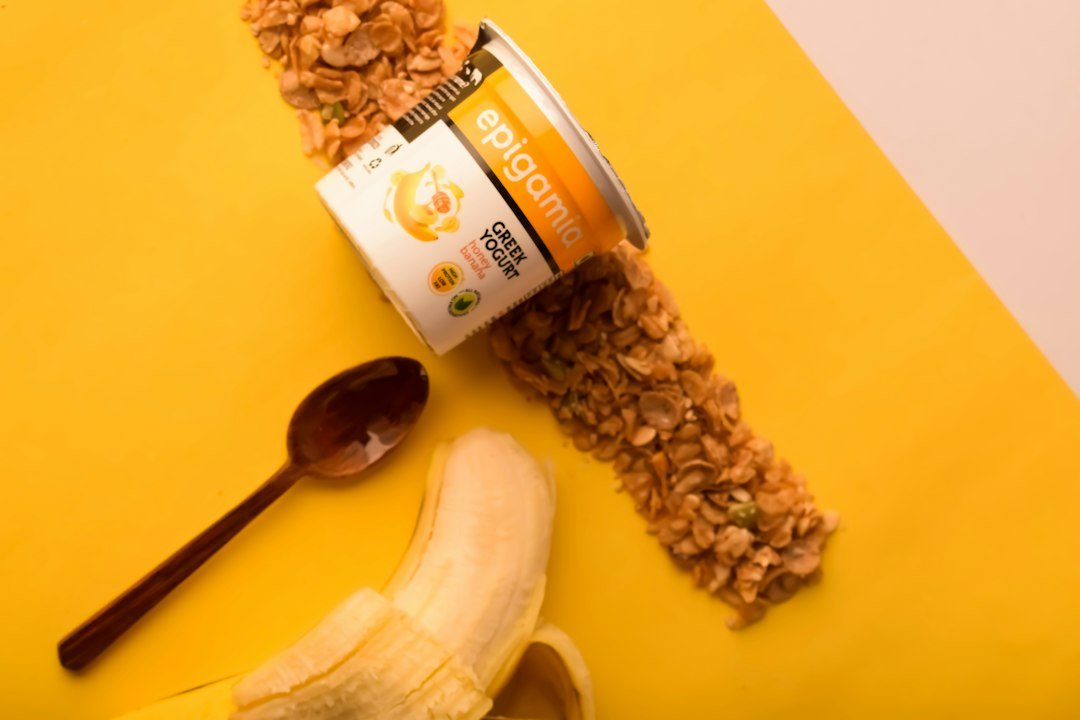
- 30–60 minutes before a short workout: small, easily digestible carb snack (banana, rice cake, piece of toast with honey) if needed for energy.
- 0–2 hours after exercise: prioritize protein (20–40 g) and carbs to replenish glycogen and support repair. A yogurt and fruit, a smoothie with protein powder and oats, or chicken and rice work well.

5. Hydration and electrolytes: simple rules that matter
Start workouts hydrated—about 16 oz (500 ml) in the 2–3 hours before exercise and 8–12 oz (200–350 ml) in the 15 minutes before. During sessions under 60 minutes plain water is usually enough; for long or very sweaty workouts use a drink with electrolytes and carbs. After training, replace weight lost during exercise (0.5–1 L per pound lost) and consider a salty snack if you sweat heavily.
6. Choose foods that make consistency easy
Consistency beats perfection. Prioritize minimally processed whole foods you enjoy and can prepare regularly. Batch-cooking grains and proteins, pre-washing greens, and portioning snacks into containers removes friction on busy days.
7. Plan adaptations for common goals
Gain muscle: add 200–500 kcal/day above maintenance and keep protein near 0.8–0.9 g/lb. Favor strength-focused workouts and progressively increase load.
Lose fat while staying active: create a modest 10–20% calorie deficit, keep protein high to preserve lean mass, and prioritize high-volume vegetables and whole grains to stay full.
Endurance training: increase carbohydrates on heavy training days and include quick carb sources during long sessions (gels, bananas, sports drink).
[h3>Product to help meal planning and portion control</h3]If you want a reliable reference for anatomy of movement that informs portioning and posture while preparing meals and training, a compact guide can help tie nutrition to practice.
Troubleshooting: why energy, weight, or recovery may stall
- Low energy despite “eating enough”: check carbs — too low intake around workouts can leave you depleted.
- No weight change: caloric estimates are rough. Track intake and body weight for 10–14 days and adjust ±200 kcal rather than large swings.
- Persistent soreness: increase protein, ensure carbohydrate around workouts, prioritize sleep and magnesium-rich foods; consider adding a light recovery session.
- Digestive issues with pre-workout meals: choose lower-fiber or smaller pre-workout snacks and test timing until you find what digests well.
Make small, testable changes rather than radical overhauls
Change one variable at a time — adjust calories, add 10–20 g more protein, or swap one daily snack — and observe for two weeks. This keeps you able to attribute improvements and refines a routine you can sustain.
Resources and related guides
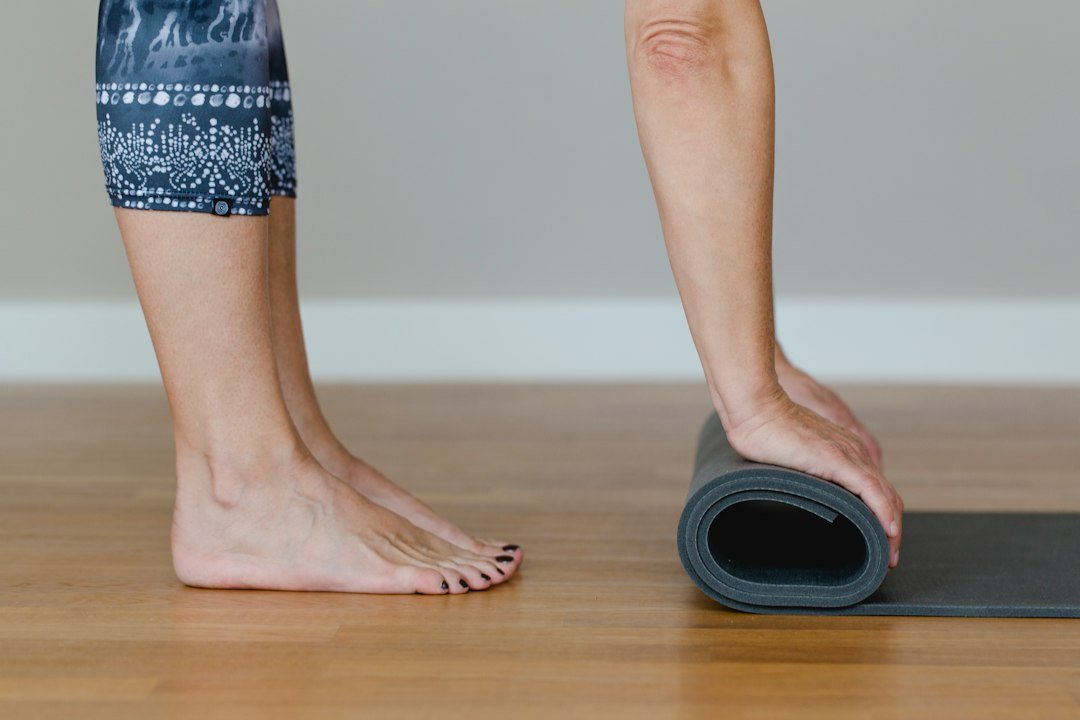
For practical movement complements and recovery practices, see how to start a home yoga practice and our yoga mat guide for comfortable, consistent sessions that support recovery.

- Calculate a starting calorie estimate using your weight and activity level.
- Set protein target (0.6–0.9 g/lb) and choose carb range by training volume.
- Create a simple plate template to assemble meals quickly.
- Plan pre- and post-workout snacks for energy and recovery.
- Schedule a two-week check to adjust calories or macros based on results.
- Prep at least two portable snacks to avoid poor fuel choices on busy days.
A balanced diet for an active lifestyle is built from a clear calorie baseline, protein sufficient for repair, carbs matched to training, and meals assembled from predictable components. Test small changes, prioritize consistency, and adjust based on performance and recovery.
How much protein do I really need if I train regularly?
Aim for roughly 0.6–0.9 grams per pound of body weight (1.3–2.0 g/kg); higher values support strength training and calorie deficits.
Should I always eat carbs before a workout?
Not always—short low-intensity sessions may not require them. For moderate to high-intensity or long workouts, a carb-containing snack 30–90 minutes beforehand improves performance.
Can I follow a balanced plant-based diet and stay active?
Yes—focus on varied protein sources (legumes, tofu, tempeh, seitan, dairy or fortified alternatives), aim for slightly higher total calories if needed, and watch iron and B12 intake.
How quickly should I change my calories if not seeing progress?
Adjust by 200–300 kcal and monitor for 10–14 days; larger changes risk overcorrecting and making the diet unsustainable.
What simple snacks help recovery after a workout?
Greek yogurt with fruit, a smoothie with protein and oats, a turkey sandwich on whole-grain bread, or a protein bar with a piece of fruit are quick, balanced choices.