 Wishlist
Start with the result: a reliable 20–30 minute routine you can repeat three times a week
Most beginners need a routine they’ll actually do. A dependable home workout routine delivers steady improvement in strength and energy without requiring a gym, fancy gear, or hours of time. This guide shows how to build a 20–30 minute session you can repeat three times per week, plus simple ways to progress and adapt.
Decide the single, realistic goal for the next 8–12 weeks
Choose one clear objective such as “build general strength,” “increase stamina,” or “lose inches.” The goal shapes exercise selection and frequency. For most beginners, “build general strength and move more” is the best first goal because it’s broad and measurable (e.g., more push-ups, longer plank, less breathlessness on stairs).
Pick equipment: nothing fancy, one optional tool
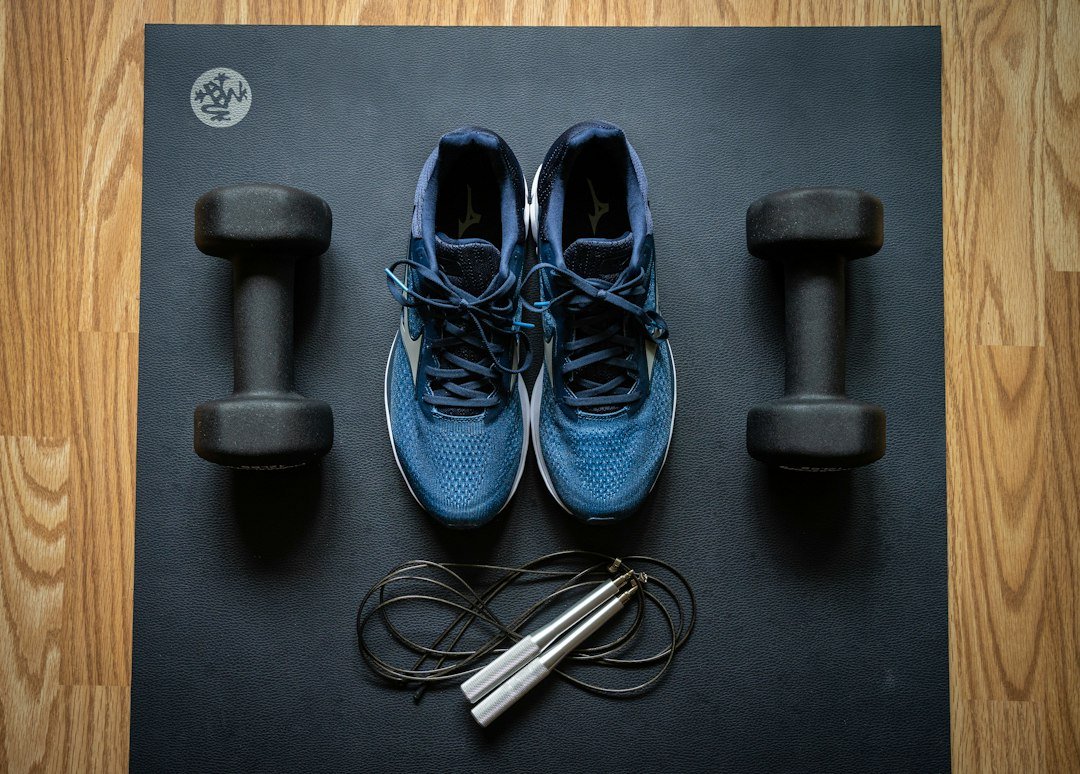
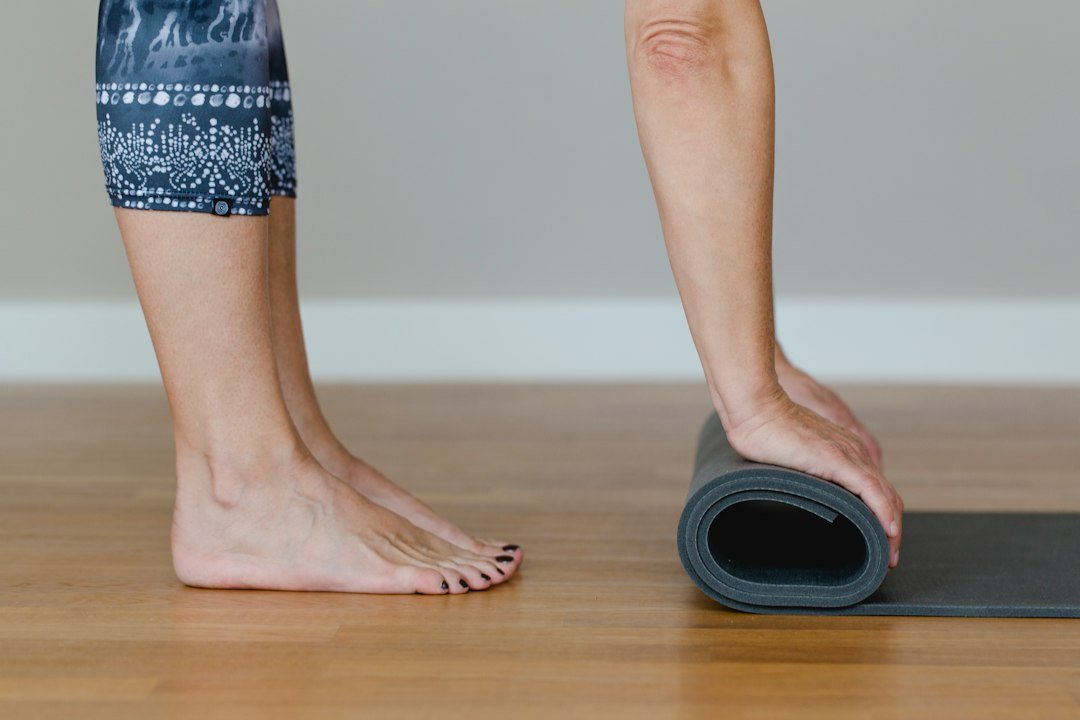
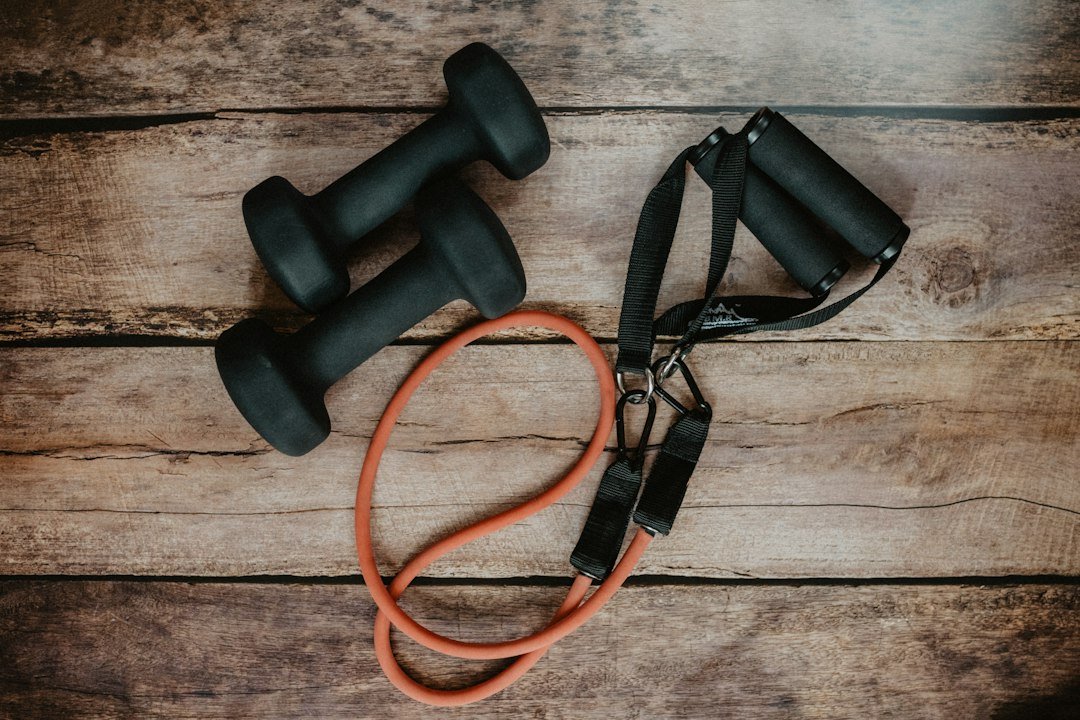
A solid minimal setup: comfortable shoes (optional indoors), a non-slip mat, and a timer (phone). If you want one purchase, choose resistance bands with handles for versatile, low-cost resistance that scales. They let you add meaningful challenge without learning complex form for weights.
The HPYGN resistance bands with handles cover pressing, rowing and leg work and are the single-best convenience tool for a beginner home routine.
Design one balanced 20–30 minute session
Structure the session so it’s simple to follow: Warm-up (4–5 minutes), Strength circuit (12–18 minutes), Finish with brief mobility or cool-down (3–5 minutes). Aim to complete the strength circuit as 2–3 rounds.
Warm-up (4–5 minutes)
- Dynamic joint swings: neck rolls, arm circles, hip circles — 30–45 seconds total.
- Marching or light jog in place: 60 seconds.
- Bodyweight movements: 8–10 slow squats and 6–8 shoulder taps to prime the muscles.
Strength circuit (choose 4–6 beginner-friendly moves)
Do each exercise for a set rep range or time, then move to the next. Rest 30–60 seconds between exercises. Repeat the circuit 2–3 times depending on fitness and time.
- Squat (bodyweight or band-assisted): 10–15 reps — builds legs and core stability.
- Push variation (incline push-up on a countertop or knee push-up): 6–12 reps — chest and shoulders.
- Band row or bent-over bodyweight row: 8–12 reps — mid-back and posture.
- Glute bridge: 10–15 reps — posterior chain and hip strength.
- Plank hold: 20–45 seconds — core control. Substitute dead-bug if lower back is sensitive.
- Optional: walking lunges or reverse lunges: 8–12 reps per leg for unilateral strength.
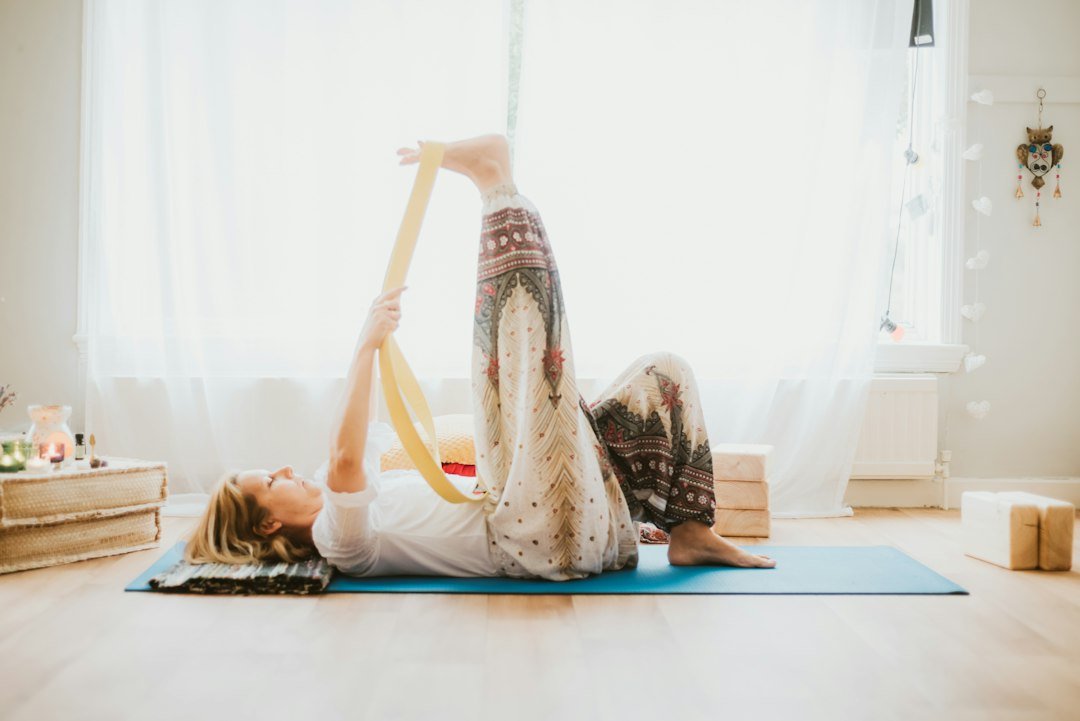
Cool-down and mobility (3–5 minutes)
- Slow hamstring and quad stretch: 20–30 seconds per side.
- Thoracic rotation or doorway chest stretch: 20–30 seconds.
- Deep diaphragmatic breathing for one minute to lower heart rate.
Weekly plan and progression
Week schedule example for a beginner: Strength sessions on Monday, Wednesday and Friday. On two of the non-strength days add 20–30 minutes of light cardio (brisk walk, bike) or mobility work if desired.
Progression rules: each week try to increase one variable only — add 2–4 more reps total per exercise, extend plank time by 5–10 seconds, or add one extra circuit. Once 3 rounds feel manageable, increase resistance (bands) or switch a bodyweight move to a harder variation.
How to set reps, time and rest so it’s sustainable
If you’re unsure how hard to push, use the “rate of perceived exertion” approach: on a 1–10 scale, aim for 6–7 during the work sets. Rest enough to keep form clean: typically 30–60 seconds between exercises, 1–2 minutes between circuits for true beginners.
Form and safety—what to watch for
- Maintain a neutral spine in squats, bridges and rows—avoid rounding the back.
- Press through the whole foot on standing moves; knees should track over toes.
- For push variations, keep shoulders away from ears and avoid sagging hips in planks.
- If a movement causes sharp pain (not muscle burn), stop and substitute a gentler option.
Adaptations for common limits
Low-impact option: replace jogging with marching, swap lunges for step-ups or seated leg extensions. Limited space: perform stationary marching, band rows anchored around a doorknob and bodyweight squats. Time-crunched days: do a single 12–15 minute circuit instead of multiple rounds.
When to add more variety or split sessions
After 8–12 weeks, if the same routine feels easy for all sets, introduce new movements (single-leg deadlift, overhead press with bands), increase resistance, or split sessions into separate strength and cardio days. Variety reduces boredom and improves balanced fitness.
Useful internal resources and tools
For basic breathing and recovery practices that pair well with this routine, check our guides on breathing techniques and starting a simple meditation habit. If you prefer a cushion under your mat, our home exercise mats category has options for extra padding.
- Set one clear 8–12 week fitness goal.
- Schedule three 20–30 minute sessions per week on specific days.
- Gather a mat and a resistance band (handles recommended).
- Learn 4–6 core exercises and one safe substitution for each.
- Increase reps, time, or resistance slowly—only one variable at a time.
- Stop for sharp pain and prioritize form over speed.
Start with a short, repeatable routine focused on 4–6 simple movements, warm-up and cool-down, and one optional resistance band. Consistency and small weekly progress are the fastest ways to build fitness at home.
How often should a beginner do this home workout routine?
Three full sessions per week is ideal for most beginners, with light activity (walking or mobility) on other days as energy allows.
Do I need weights to get stronger at home?
No—bodyweight exercises and resistance bands can build meaningful strength; add bands or heavier tools only when sets become easy.
How long before I see progress?
Beginners often notice improved stamina and easier daily movement within 4–6 weeks; measurable strength gains typically take 8–12 weeks with consistent effort.
What if I have knee or back pain?
Choose low-impact substitutes (glute bridges, seated rows, dead-bug) and prioritize form; consult a healthcare professional for persistent pain before increasing load.
Can I combine this with yoga or Pilates sessions?
Yes—yoga or Pilates on non-strength days improves mobility and recovery; see our beginner yoga guide for gentle session ideas.