 Wishlist
When you want a stronger midsection but also crave calmer evenings
Imagine you’ve started noticing low-back stiffness after sitting at a desk, and you also want something to help you wind down before bed. Should you sign up for Pilates or a yoga class? The right choice depends on three practical decision criteria: your primary goal (strength, flexibility, or relaxation), how much equipment or instruction you want, and whether you prefer a disciplined exercise feel or a slower mind-body practice.
Pilates vs yoga: decide by your main goal
The quickest way to choose is to match each practice to what you want most.
- Strength and spinal stability: Pilates focuses on core strength, pelvic alignment and controlled movement patterns designed to support the spine. Expect precise, repetitive exercises aimed at deep stabilizers.
- Flexibility and mobility: Yoga emphasizes joint range of motion, muscle lengthening, and varied stretching sequences that improve mobility across the whole body.
- Stress reduction and breath awareness: While both use breath, yoga typically centers longer on breath-linked movement, meditation and restorative poses that lower arousal and improve sleep.
How the methods differ in practice and training style
Pilates and yoga share mats and slow, controlled movement, but their training language, pacing, and class cues differ in predictable ways.
- Instructional focus: Pilates teachers cue alignment, tempo and repetitions, often counting and emphasizing "neutral spine" and core engagement. Yoga teachers will cue breath-synchronized transitions, alignment variations and energetic cues (e.g., "lift through the chest").
- Movement quality: Pilates repeats shorter, isolated sequences to train recruitment patterns; yoga strings together asanas into longer holds and flows that train balance, endurance and stretching capacity.
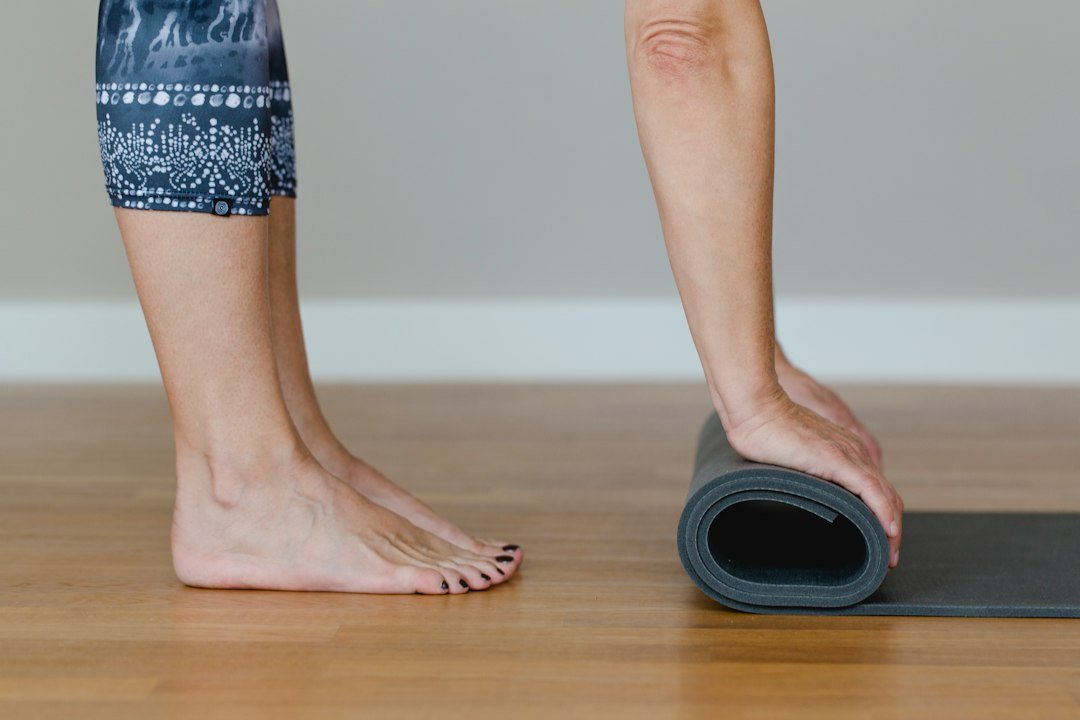
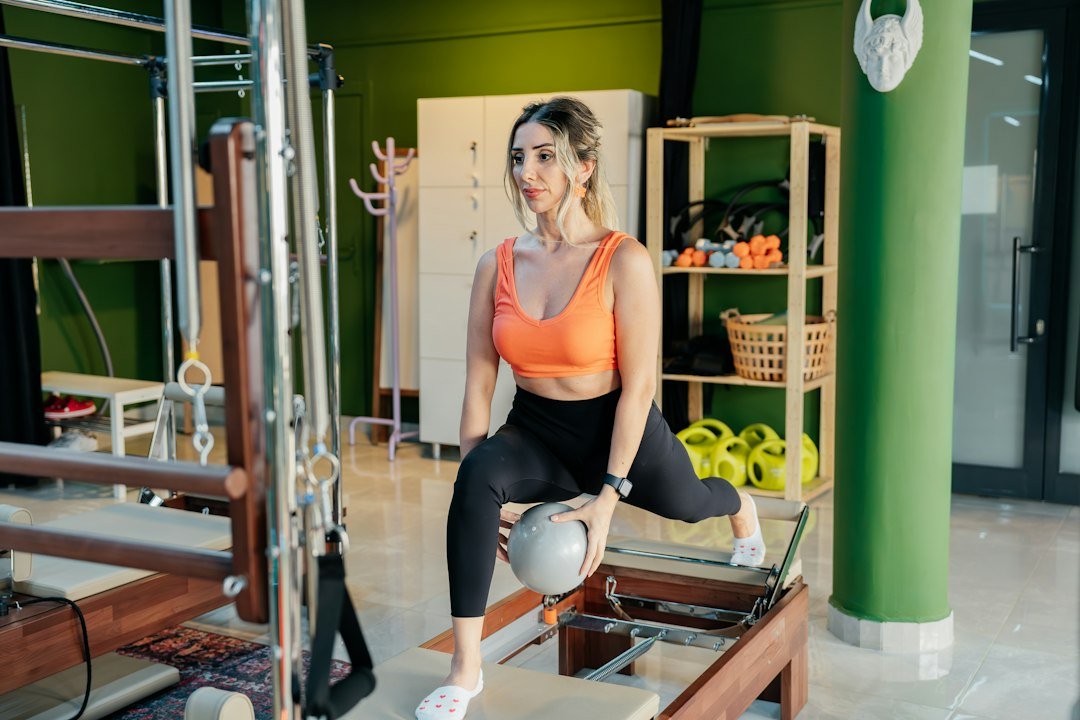
- Equipment vs. mat-only: Pilates frequently uses reformers, small balls, rings, and resistance bands to add load or feedback; many yoga classes require only a mat and optional blocks/straps for assistance.
- Intensity and conditioning: Mat Pilates can be challenging and very focused on muscular endurance; power yoga or vinyasa can also be intense, but tends to distribute load across the whole body via flows.
Injury recovery, rehab and safety trade-offs
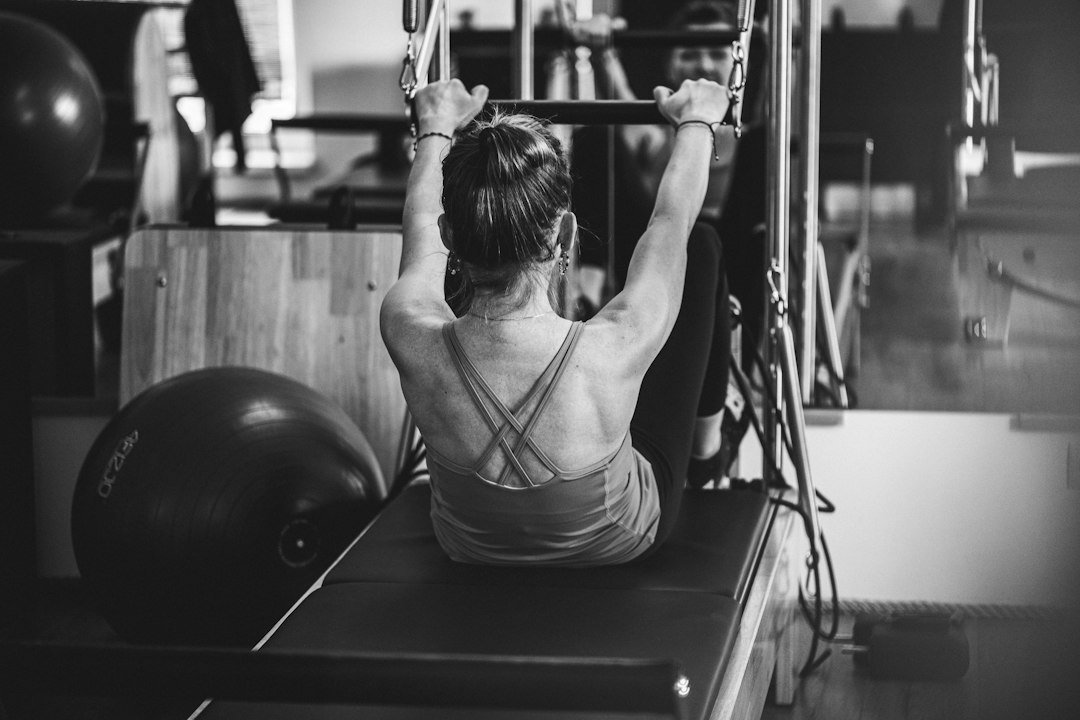
Pilates was developed with rehabilitation in mind, so its emphasis on controlled alignment and progressive load makes it a strong choice when rebuilding strength after injury—especially for the low back or pelvic floor. Yoga can complement rehab by restoring flexibility and easing tension, but some styles involve deep joint loading or extreme ranges that a recovering joint may not tolerate.
If you’re rehabbing: start with certified clinical Pilates or a gentle yoga/therapeutic sequence, and tell instructors about your history so they can modify appropriately.
What equipment, classes and costs look like
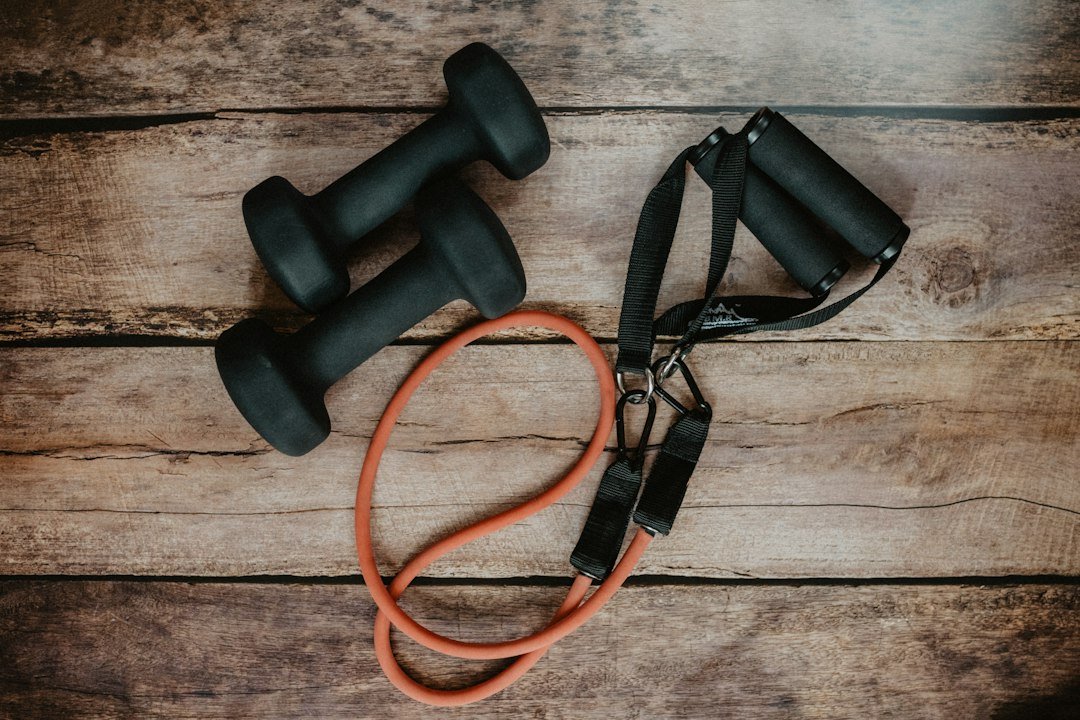
Pilates studios that use reformers or machines often cost more than a neighborhood yoga class; mat-based Pilates and yoga classes are cheaper and widely available online. At home, a mat plus a small selection of props (resistance bands, a small Pilates ball) replicates most beginner Pilates and yoga work.
Which practice suits common reader profiles
Match a profile to the practice for a practical decision:
- Sedentary office worker with back pain: Start with Pilates for targeted core and pelvic stability, then add gentle yoga for hip and thoracic mobility.
- Athlete seeking cross-training: Use Pilates to correct imbalances and improve movement efficiency; add yoga for recovery, mobility and nervous-system modulation.
- Someone stressed and sleep-deprived: Choose yoga—a restorative or yin class will directly train relaxation and breath practices that help sleep.
- Beginners on a budget: Try mat-based Pilates or a beginner yoga class; both can be effective without equipment.
Short-term results you can expect
After 4–8 weeks of regular classes (2–3 times weekly):
- Pilates: improved core endurance, better posture and often reduced mechanical back pain.
- Yoga: increased hamstring and shoulder flexibility, improved breath awareness and reduced stress markers.
How to combine Pilates and yoga without overdoing it
Combining both gives balanced benefits: use Pilates 1–2 times per week for stability work and yoga 1–2 times for mobility and relaxation. Avoid scheduling two intense classes back-to-back; alternate hard sessions with gentle practices or rest.
Quick buying suggestions for starting at home
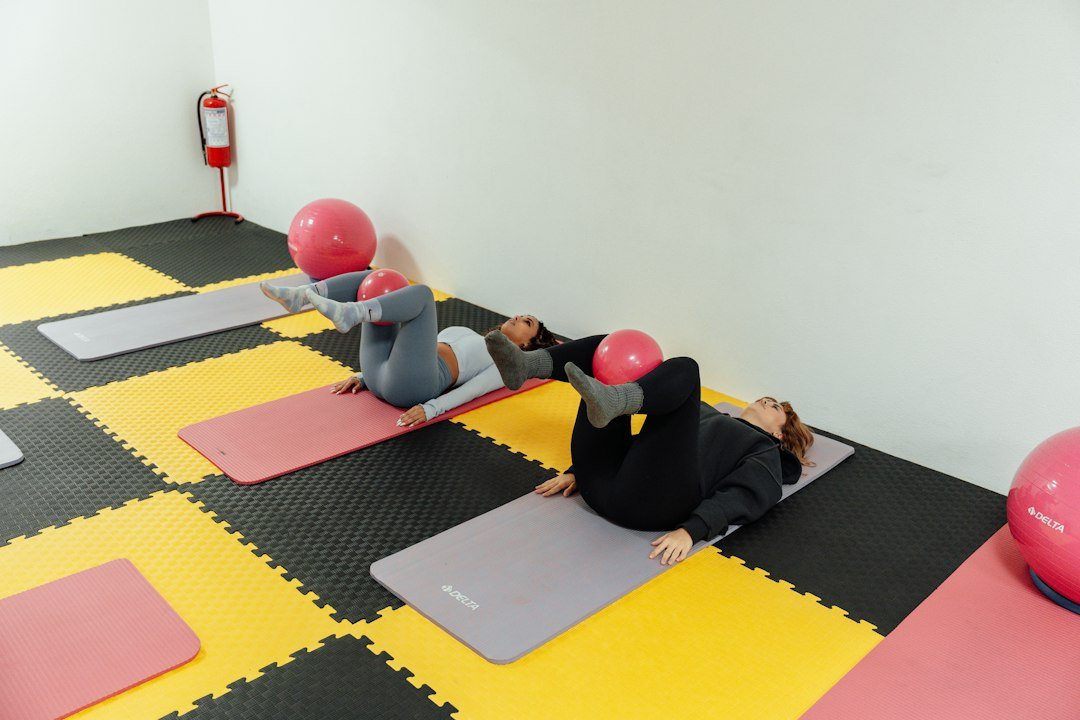
For a functional home practice, prioritize a supportive mat, a small 9-inch Pilates ball for core feedback, and a set of resistance bands for progressive loading. These items cover most beginner Pilates drills and many yoga accessory needs.
Recommended product: the small 9-inch exercise ball is versatile for both Pilates and added stability work and is available in the store.
Checklist: get started without confusion
- Clarify your primary goal: strength, flexibility, or stress reduction.
- Check instructor qualifications for rehab needs (certified Pilates or therapeutic yoga).
- Decide on at-home vs studio: equipment and budget implications.
- Plan a weekly mix (e.g., 2 Pilates + 1 restorative yoga) before ramping up intensity.
- Choose one small prop (Pilates ball or resistance bands) to expand at-home options.
If structural support and targeted core work are your priority, start with Pilates; if you need mobility and nervous-system down-regulation, choose yoga. If you can, combine both on alternating days—use Pilates to build resilience and yoga to maintain flexibility and calm.
Can Pilates improve posture?
Yes—Pilates trains deep trunk muscles and alignment patterns that support upright posture when practiced consistently.
Is yoga good for weight loss?
Some dynamic styles (vinyasa, power yoga) increase calorie burn, but yoga’s main benefits are flexibility, balance and stress reduction rather than targeted weight loss.
Do I need a reformer to do Pilates?
No—many effective Pilates exercises are mat-based; reformers add resistance and variety but aren’t required for results.
How often should beginners practice?
Start with 2–3 short sessions per week (30–60 minutes) and increase as you adapt, balancing intensity and recovery.
Can yoga replace physical therapy?
Not reliably. Yoga can help mobility and pain management, but for diagnosed structural issues, work with a physical therapist or clinical Pilates instructor first.