 Wishlist
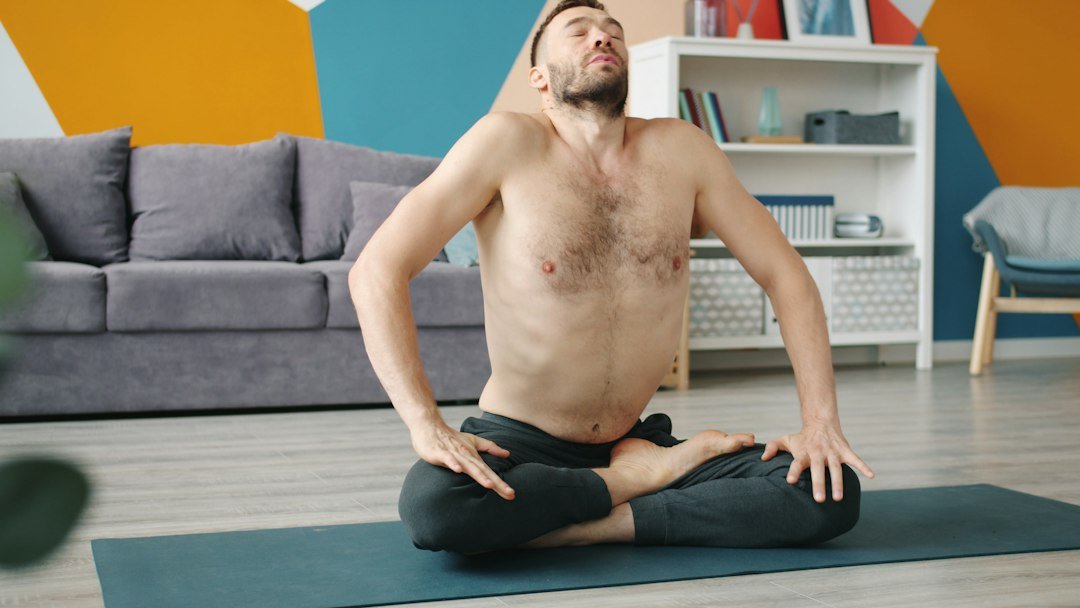
Many beginners assume breathing is automatic — but the way you breathe actually matters
Breathing exercises for beginners are short, teachable practices that change how you breathe so your nervous system calms down. If you want fast relief from stress, help falling asleep, or a steadier baseline during busy days, learning a few simple patterns is more effective than hoping breathing will "fix itself."
Quick answer: three easy exercises you can do anywhere
Below are three reliable techniques. Each one includes exactly what to do and when to choose it.
1. Diaphragmatic (belly) breathing — foundation practice
What it does: Encourages full, slow breaths that activate the parasympathetic nervous system for general relaxation.
- Sit or lie comfortably with one hand on your chest and one on your belly.
- Inhale through your nose for 4 seconds so your belly rises under your hand; chest should move little.
- Exhale through pursed lips for 6 seconds, feeling your belly fall.
- Repeat for 5–10 cycles (about 2–5 minutes).
When to use: morning grounding, before sleep, or whenever you feel tense. This is the basic practice to build breath awareness.
2. Box breathing — quick reset at work or during anxiety
What it does: Creates a predictable rhythm that steadies heart rate and attention.
- Inhale through the nose for 4 counts.
- Hold the breath for 4 counts.
- Exhale through the mouth for 4 counts.
- Hold out for 4 counts.
- Repeat 4–6 times.
When to use: before meetings, during an anxious spike, or anytime you need a short, structured pause. You can shorten to 3–3–3–3 if 4 feels long.
3. 4-7-8 technique — for sleep and fast down-regulation
What it does: Prolonged hold and slow exhale create a stronger calming effect suitable for bedtime.
- Exhale fully through your mouth, making a whoosh sound.
- Close your mouth and inhale quietly through the nose for 4 counts.
- Hold the breath for 7 counts.
- Exhale audibly through your mouth for 8 counts.
- Repeat 4 cycles, increasing gradually over weeks if comfortable.
When to use: difficulty falling asleep, moments of acute stress when you can lie down or sit comfortably.
How to choose which breathing exercise to practice
Match the technique to your goal and situation:
- Need general calm and better posture: start with diaphragmatic breathing daily.
- Need a short, office-friendly reset: use box breathing between tasks.
- Need to fall asleep or stop panic rising: use 4-7-8 while seated or lying down.
Try each method for a week as part of a morning or evening routine to see which one consistently helps you.
Practical tips and small nuances that improve results
These small adjustments make breathing exercises more effective and safer for beginners.
- Posture: sit tall with relaxed shoulders; slumped posture restricts breath and reduces benefits.
- Comfort over perfection: if a specific count feels uncomfortable, shorten it (e.g., 3-3-3-3 for box breathing).
- Use the breath with movement: combine diaphragmatic breaths with gentle neck or shoulder rolls to release tension.
- Timing: three short sessions (2–5 minutes) daily beat one long session for habit formation.
- Avoid breath-holding if you have respiratory conditions unless cleared by a clinician.
Tools that help beginners stay consistent
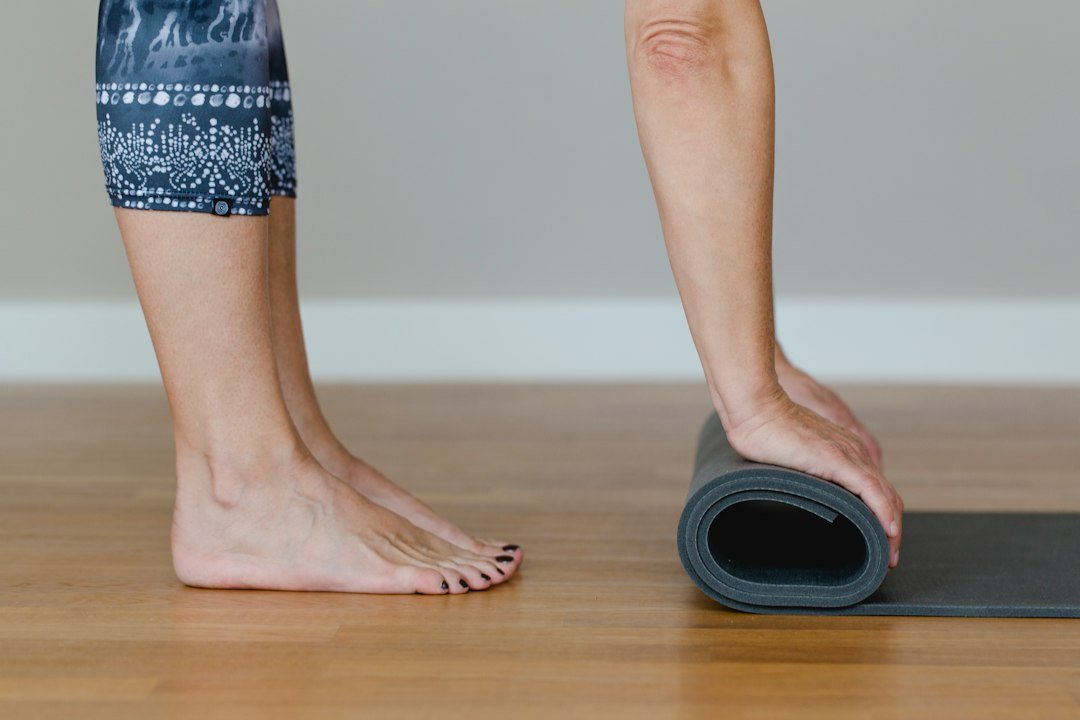
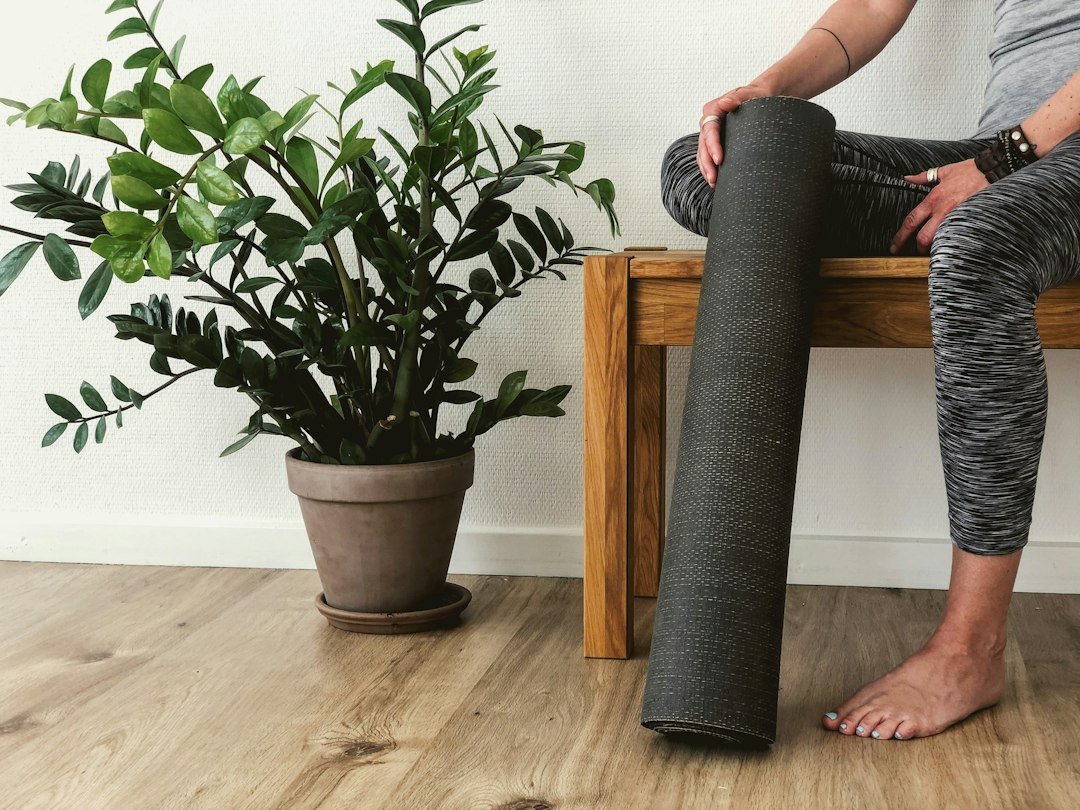
Simple tools make it easier to follow counts and form a habit. Try a breathing app or a gentle timer on your phone for guided sessions. If you prefer a physical reminder, a comfortable home exercise mat gives a regular place to practice.
Why this product: a short, approachable mindfulness book can pair with breathing practice to build a daily routine and provide guided scripts for anxious moments.
When progress slows or breathing feels strange
Beginners sometimes notice dizziness, tingling, or lightheadedness if they breathe too rapidly or forcefully. Stop the exercise, breathe normally, and resume with gentler counts. If uncomfortable sensations persist, consult a healthcare professional.
How to fold breathing into everyday life
Make breathwork automatic by linking it to existing habits. Examples:
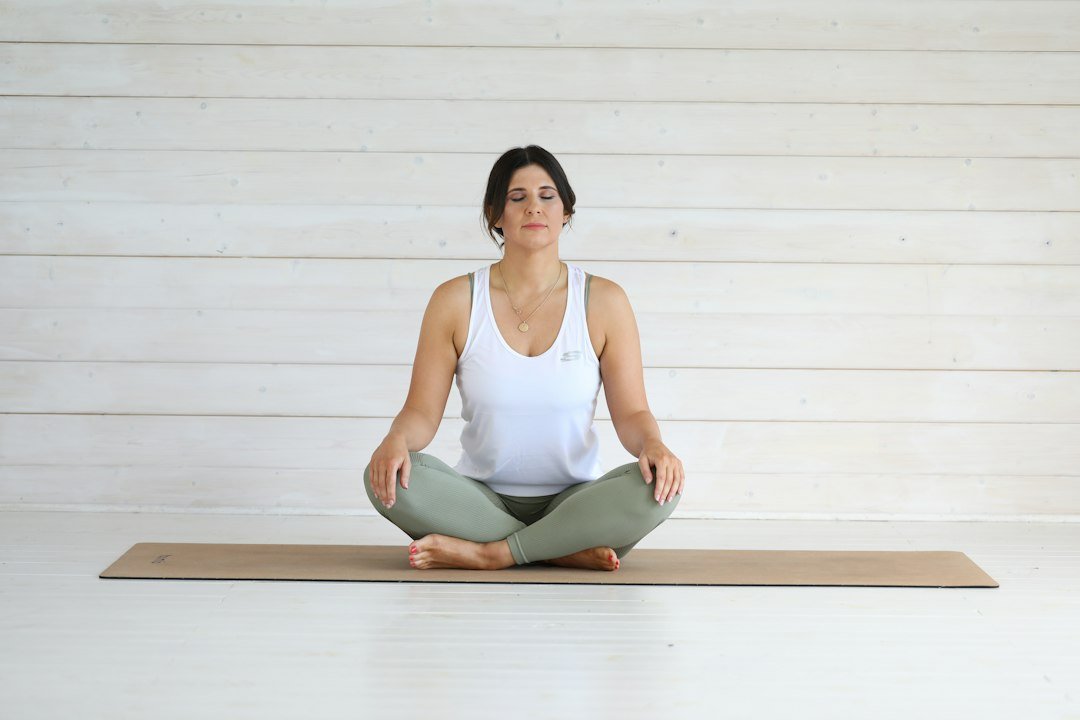
- After you turn off your morning alarm: two minutes of diaphragmatic breathing.
- Before answering the phone or a meeting: one round of box breathing.
- At bedtime: four cycles of 4-7-8 while lying in bed.
- Choose one technique to practice daily for 2–5 minutes.
- Set a consistent cue (alarm, after brushing teeth, before bed).
- Keep counts comfortable; shorten if you feel lightheaded.
- Create a quiet, upright spot with a mat or chair for practice.
- Use an app or a short book to sustain habit-building.
Breathing exercises for beginners are simple, low-risk tools that reduce stress and improve sleep when practiced consistently. Start small, match the technique to the moment, and use a reminder or short guide to keep going.
How long before I notice benefits?
Many people feel calmer after a single 2–5 minute session; consistent daily practice yields more durable improvements within a few weeks.
Can I practice breathing while exercising?
Yes—diaphragmatic breathing supports low-intensity movement and yoga; for high-intensity exercise, follow the breathing pattern your activity requires.
Is it normal to feel dizzy?
Mild dizziness can happen if you over-breathe or hold breath too long. Stop, breathe normally, and reduce the counts; seek medical advice if symptoms persist.
Do I need special equipment?
No. A quiet space, comfortable seat or mat, and optional timer/app are sufficient for most beginners.
How does this relate to meditation?
Breathwork and meditation overlap: breath practices calm physiology, while meditation often uses breath as an anchor for attention—both are complementary.