 Wishlist
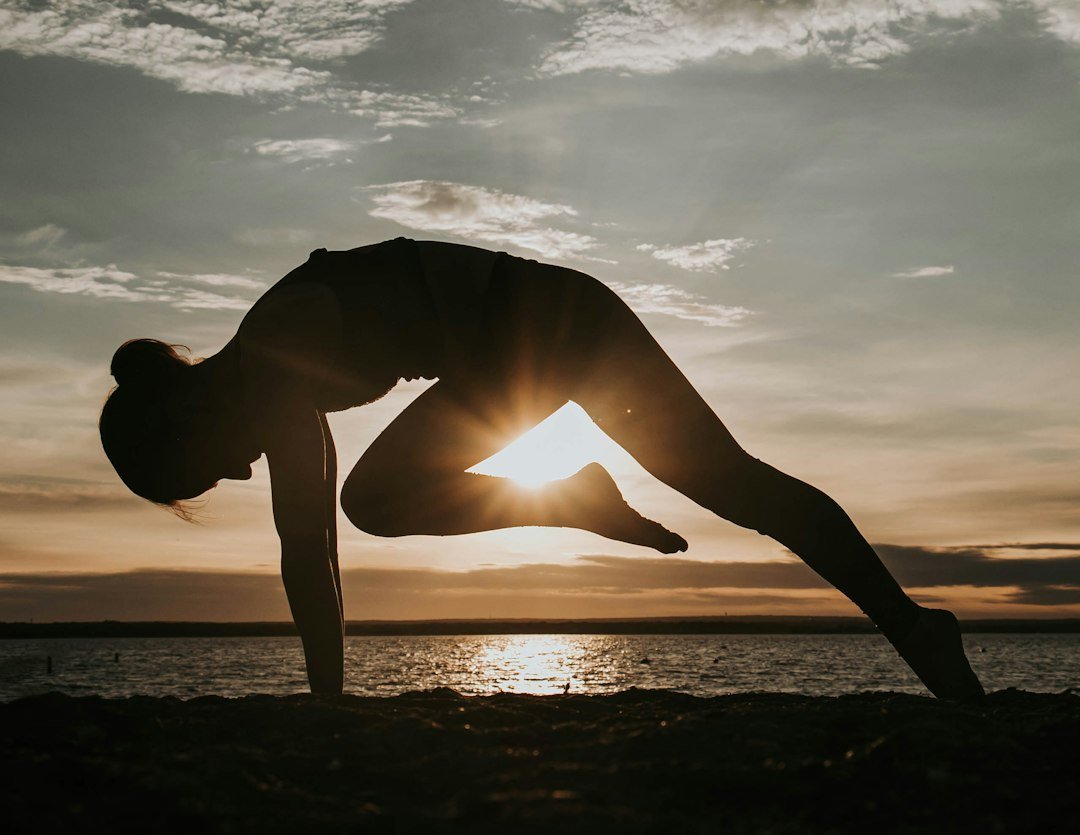
Deciding what matters: four criteria to choose between morning vs evening yoga
When you evaluate morning vs evening yoga, think in terms of four decision criteria: physiological state (stiffness, body temperature, cortisol and sleep), mental goal (boost energy vs. calm down), schedule reliability (can you make it a habit?) and practice content (dynamic vinyasa vs restorative yin). Use those to weigh trade-offs rather than chasing a universal “best” time.
Quick answer up front
If you need energy, mental clarity and a habit anchor, morning yoga usually wins. If your priority is stress relief, better sleep, or working around fragmented days, evening yoga is often more suitable.
How morning yoga helps — trade-offs and real effects
Why choose mornings: brief, active practices in the morning match how your body and day typically start. Circulation and core temperature are lower on waking, so a focused, 15–30 minute sequence that includes mobility, sun salutations and gentle backbends warms the body and signals alertness. Morning practice also leverages the “first thing” habit: fewer schedule conflicts and a higher chance you’ll do it consistently.
Trade-offs: mornings can feel stiff and your joints are cooler, increasing the need for extended warmups or simpler poses. Cortisol is naturally higher in the morning; vigorous practice amplifies alertness but may be less restorative if your goal is stress recovery. If you’re not a morning person, forcing long sessions can backfire and reduce adherence.
How evening yoga helps — trade-offs and real effects
Why choose evenings: by late afternoon or after work your body is warmed, muscles are more pliable, and many people carry the day’s tension in the neck, shoulders and hips—areas yoga releases effectively. Gentle restorative flows, hip openers and combined breathwork can lower heart rate and prime your nervous system for sleep. Evening practice also provides a transition between work and downtime.
Trade-offs: evening classes or sessions can collide with social plans or household duties, making consistency harder. Vigorous practice too close to bedtime can raise adrenaline and delay sleep for some people. Also, if you’ve eaten a large dinner, certain poses will feel uncomfortable.
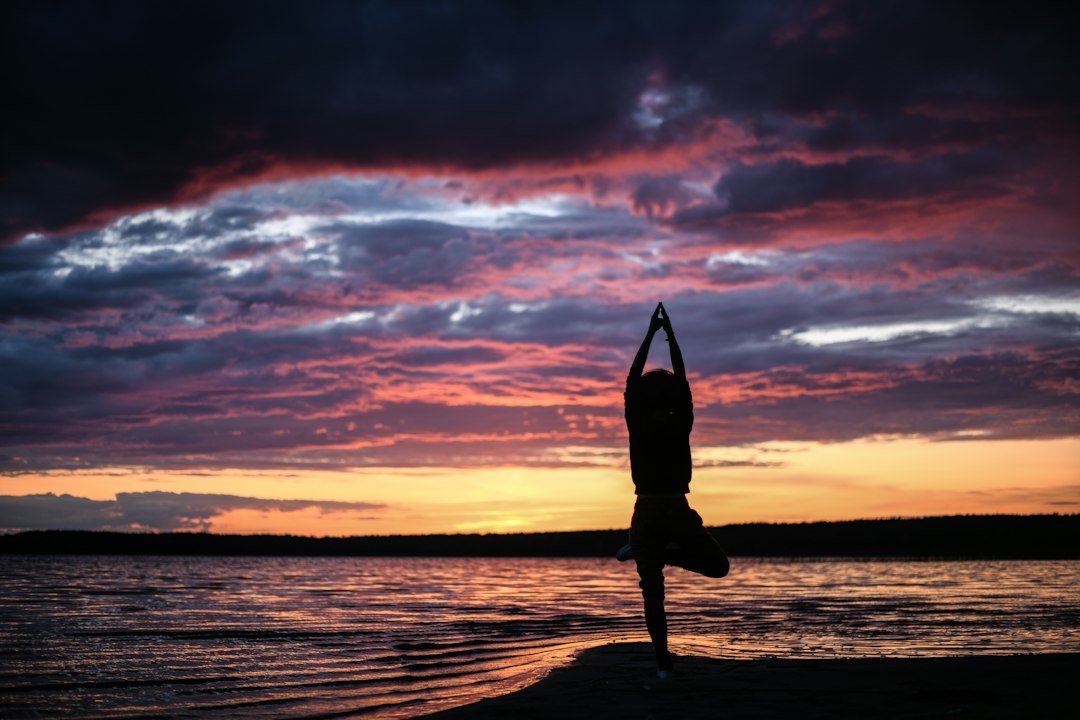
Which type of practice suits each time of day
Match the practice content to the time:
- Morning: mobility, sun salutations, standing balance poses, core work, short pranayama (e.g., kapalabhati or three-part breath).
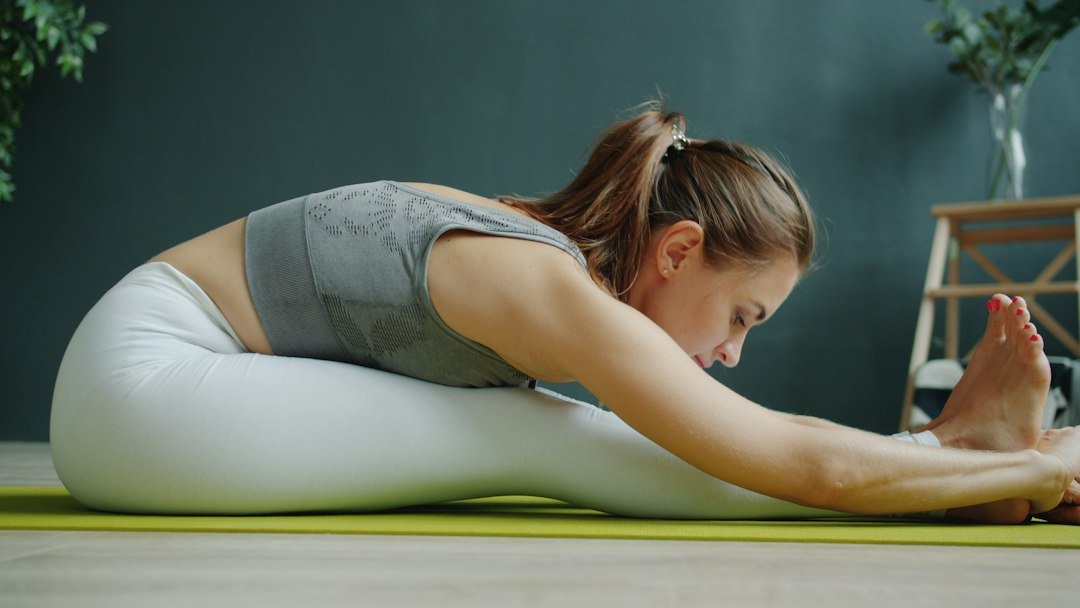
- Evening: gentle Hatha, yin for connective tissue, supported restorative poses, longer slow breathing and guided relaxation (savasana with props).
Who should prefer morning yoga
- People wanting a consistent anchor for the day (commuters, parents who need momentum).
- Those aiming to energize before work, sharpen focus, or use yoga as a quick warm-up before cardio/strength training.
- Anyone who sleeps well and isn’t prone to morning anxiety—morning intensity can enhance mood and productivity.
Who should prefer evening yoga
- People with high daytime stress who need a clear wind-down ritual.
- Those whose bodies need longer warmups or who prefer to move when muscles are already loose.
- Shift workers or those whose mornings are unpredictable—an evening slot may be the only reliable window.
Practical routines you can try (7–20 minutes)
Simple starters to match the goal:

- Morning Boost (10–15 min): cat-cow, 3 rounds sun salutations A, chair pose to standing forward fold, 1-minute standing balance, 5 breaths of energizing pranayama.
- Evening Wind-Down (15–20 min): gentle seated twists, supine figure-four hip stretch, supported bridge with blanket, 5–10 minutes legs-up-the-wall or savasana with slow 4-6 second exhales.
Small gear choices that make timing easier
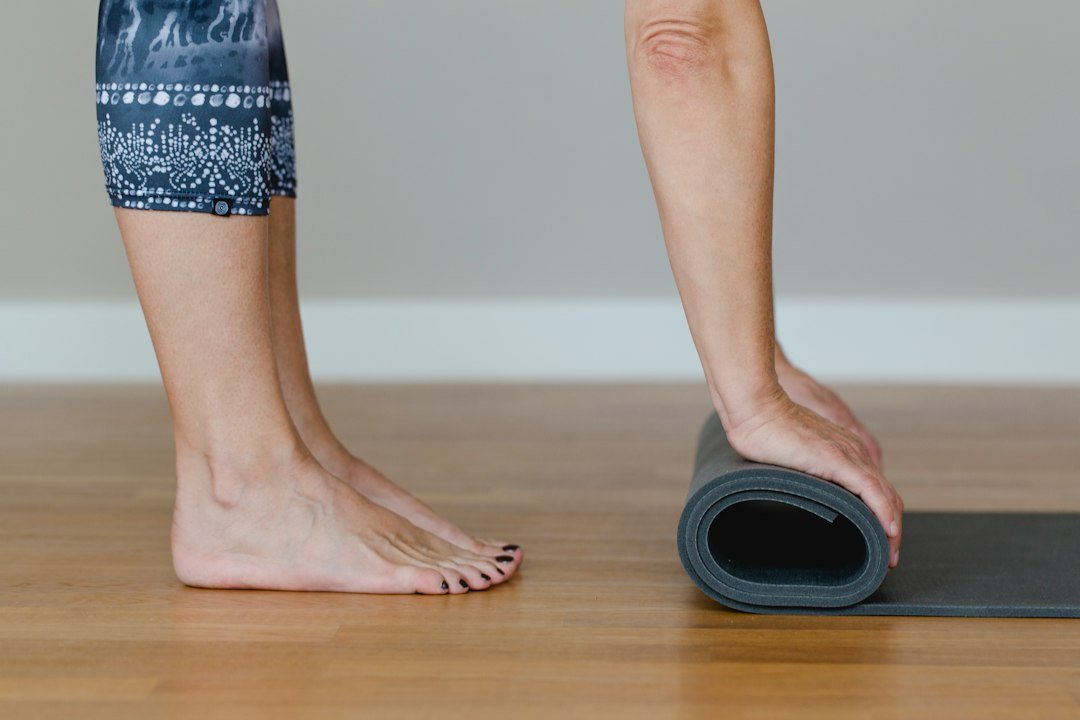
Equipment isn’t essential, but the right tools remove friction. For morning flows, a thin, grippy mat helps if you’re short on storage space and need to roll it out quickly. For evening restorative work, a blanket and block to support poses and encourage relaxation are worth keeping near your mat.
This Gaiam mat is a strong all-purpose pick for quick morning sessions because of its dry-grip surface and portability.
Scheduling tips to make the choice stick
- Anchor a short pre-commit: decide on a 7–10 minute routine rather than “an hour” to remove resistance.
- Set a cue: lay out clothes or keep your mat visible; for evenings, dim lights and a diffuser cue relaxation.
- Track adherence for two weeks before switching—consistency matters more than theoretical benefits.
Exceptions and special cases
People with certain sleep disorders, pregnancy, or recent injuries should adapt timing and intensity—follow professional guidance. If you’re training for a specific athletic event, coordinate yoga timing with your main workouts so it supports recovery, not fatigue.
When to combine both
A short morning practice plus an evening restorative session works well for many: morning for activation and habit, evening for unwinding. If you have to pick one day-by-day, prioritize the slot you can reliably protect this week; consistency over perfection wins.
- Identify your primary goal: energy, flexibility, stress relief, or sleep improvement.
- Try a 2-week test of morning only, then evening only; note mood, sleep and adherence.
- Prepare two short routines (one dynamic, one restorative) you can complete in under 20 minutes.
- Create a visible cue (mat out, blanket at hand) to reduce friction for your chosen time.
- Adjust intensity if it disrupts sleep or causes soreness.
If you want reliable energy and habit, start with short morning sessions that focus on mobility and breath. If your priority is stress relief and better sleep, evening restorative practice is the stronger choice. Alternating concise morning flows with longer evening restoratives combines the strengths of both.
Can evening yoga actually make it harder to sleep?
Yes—vigorous flows or heated sessions close to bedtime can be stimulating for some people. Choose gentle, slow practices and finish at least 30–60 minutes before sleep if you notice difficulty falling asleep.
Is a 10-minute practice worthwhile?
Absolutely. Short, consistent routines build habit and give meaningful benefits to mobility, mood and stress when practiced regularly.
Should pregnant people practice morning or evening?
Timing depends on energy and nausea—some prefer morning movement, others feel better later. Prioritize gentle, well-supported poses and consult a prenatal instructor or provider.
How do I pick poses if I only have five minutes?
Choose mobility for the areas that feel tight: a few rounds of cat-cow, standing forward fold, and hip circles cover major joints quickly.
Can I do both every day?
Yes, but keep one session short and the other restorative to avoid overtraining. Listen to energy and sleep signals to adjust frequency.